


Yard Hurts to Walk Barefoot? Common Causes and Easy Fixes
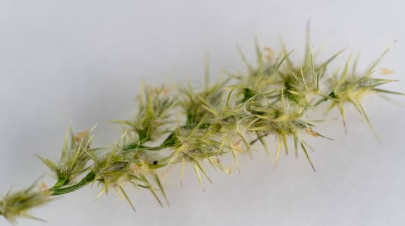
Walking barefoot on soft grass should feel good. However, sharp weeds, dry grass, and hidden stickers can make each step painful.
Many homeowners face this problem during warm months. Small burrs and thorny plants often grow without warning. As a result, enjoying your lawn becomes difficult.
If your yard hurts to walk barefoot, you need to find the cause. Luckily, simple lawn care steps can help.
This guide explains common causes, safe removal methods, and ways to prevent painful weeds.
Why Does Your Grass Hurt Your Feet?
A healthy lawn should feel soft under your feet. However, several problems can make grass uncomfortable.
1. Sharp Grass Burrs
Grass burrs are small, prickly seed pods. They grow on certain weeds and spread across lawns.
These burrs stick to shoes, socks, and pet fur. Moreover, their sharp points can hurt bare feet.
Sharp grass burrs often appear in dry, sandy soil. Therefore, regular lawn checks can help you spot them early.
2. Sticker Weeds
Sticker weeds produce seeds with sharp points. These seeds can remain hidden between grass blades.
As a result, people may step on them without noticing.
Sticker weeds in lawn areas can spread quickly. Additionally, pets may carry these seeds into other parts of your yard.
3. Dry and Rough Grass
Grass can become hard during hot weather. Without enough water, its blades may turn stiff.
Consequently, walking barefoot can feel uncomfortable.
However, dry grass usually causes less pain than sharp burrs.
4. Small Rocks and Yard Debris
Tiny rocks, broken twigs, and hard debris can also hurt your feet.
Sometimes, these objects hide under thick grass. Therefore, inspect your lawn before walking without shoes.
Common Painful Weeds Found in Lawns
Several weeds produce sharp seeds or thorny parts. Knowing their names makes removal easier.
Sandburs
Sandburs are common in warm, sandy areas. They produce hard seed heads with sharp spines.
These seeds can pierce thin footwear. Furthermore, they may stick to clothing and animal fur.
Sandbur removal from grass becomes easier when you catch plants before their seeds mature.
Goathead Weeds
Goathead weeds grow close to the ground. Their seeds form hard, pointed burrs.
These burrs can cause sharp pain when stepped on.
Moreover, goathead seeds can puncture bicycle tires.
Lawn Burweed
Lawn burweed produces small, spiny seeds. The plant often grows during cooler months.
However, its painful seeds become noticeable in spring.
Painful weeds in yard spaces can make outdoor activities difficult. Therefore, early weed control matters.
How to Remove Stickers From Your Yard
Removing painful stickers takes patience. However, the right steps can make the job easier.
Step 1: Find Problem Areas
First, walk around your lawn while wearing sturdy shoes.
Look for low-growing weeds and sharp seed heads. Also, check dry patches and sandy areas.
Mark these spots for treatment.
Step 2: Remove Young Weeds
Next, pull small weeds before they produce seeds.
Use gloves to protect your hands. Additionally, remove as much of the root as possible.
Place pulled weeds in a trash bag. Avoid shaking mature seed heads over the lawn.
Step 3: Collect Loose Burrs
Loose burrs can remain after weeds die. Therefore, removing the plants alone may not solve the problem.
A lawn burr collection tool can help gather surface stickers.
For example, Sticker Burr Roller offers manual tools designed to collect prickly lawn burrs.
Remove stickers from yard surfaces regularly to reduce contact with sharp seeds.
Step 4: Check the Lawn Again
After cleaning, inspect the same areas.
Some burrs may remain hidden in grass. Therefore, repeat collection when needed.
Also, check shoes and pet fur to avoid spreading seeds.
Best Ways to Prevent Painful Lawn Stickers
Removing burrs helps, but prevention is also important.
Keep Your Grass Healthy
Thick grass leaves less space for weeds.
Therefore, water your lawn based on local weather and grass needs.
Also, mow at the recommended height for your grass type.
Fill Bare Soil Patches
Weeds often grow where grass is thin.
First, loosen the soil in empty spots. Next, add suitable grass seed or sod.
Finally, water the area as needed.
Healthy grass can help limit new weed growth.
Stop Weeds Before Seeding
Many painful weeds spread through seeds.
Therefore, remove young plants before they form burrs.
For larger problems, choose weed control products labeled for your grass type.
Always follow product directions.
Clean Lawn Equipment
Burrs can attach to mower wheels and gardening tools.
As a result, equipment may spread seeds across your property.
Clean tools after working in affected areas.
How to Make Your Lawn Safe for Bare Feet
A comfortable lawn needs regular care.
First, inspect areas where children and pets play.
Next, collect visible burrs and remove sharp debris.
Also, keep grass thick through proper watering and mowing.
Barefoot lawn safety starts with finding hidden hazards.
However, avoid walking barefoot until you finish checking problem areas.
Wear sturdy shoes during cleanup.
Common Mistakes That Make Lawn Stickers Worse
Some lawn care habits allow prickly weeds to spread.
For example, mowing mature sticker plants can scatter their seeds.
Likewise, leaving pulled weeds on the ground may spread loose burrs.
Ignoring bare patches also creates space for new weeds.
Additionally, removing weeds without collecting existing burrs leaves sharp seeds behind.
Therefore, combine weed removal with regular surface cleanup.
When Should You Start Removing Lawn Burrs?
Early action usually makes lawn care easier.
Start checking for weeds before they produce mature seeds.
However, the best timing depends on your local climate and weed type.
If mature burrs already cover the lawn, collect them carefully.
Then, focus on stopping new plants from producing seeds.
Grass burr removal tips work best when you follow them throughout the growing season.
FAQs About Painful Grass and Lawn Stickers
1. Why Does My Yard Hurt to Walk Barefoot?
When your yard hurts to walk barefoot, sharp burrs, thorny weeds, rocks, or dry grass may be the cause. Inspect the lawn while wearing shoes, then remove visible hazards.
2. What Is the Best Way to Remove Stickers From Yard Areas?
Start by removing the weeds that produce burrs. Next, collect loose seeds with a suitable lawn tool. Repeat cleanup when needed.
3. How Can I Improve Barefoot Lawn Safety?
Keep grass healthy and remove sharp debris. Also, check play areas often. Avoid walking barefoot where burrs remain.
4. When Should I Start Sandbur Removal From Grass?
Remove young sandbur plants before their seeds mature. However, collect existing burrs whenever you find them. Early action helps limit spreading.
5. Can Painful Weeds in Yard Areas Return?
Yes, seeds left in the soil may grow later. Therefore, inspect your lawn each season. Remove new weeds before they produce seeds.
Conclusion
A painful lawn can turn simple outdoor activities into frustrating experiences. However, regular care can make your yard more comfortable.
Start by finding sharp weeds, burrs, and hidden debris. Then, remove problem plants and collect loose stickers.
Additionally, maintain healthy grass to reduce open spaces where weeds can grow.
Most importantly, check your lawn often and act before weeds spread.
With steady care and the right tools, you can reduce painful burrs and enjoy your outdoor space again.

 English
 Arabic
 French
 Spanish
 Portuguese
 Deutsch
 Turkish
 Italiano
 Russian
 Romaian
 Portuguese (Brazil)
 Greek
