


Empirical Evidence and Industry Performance: Utilizing Laser Tracker Market Data to Optimize Manufacturing Workflows
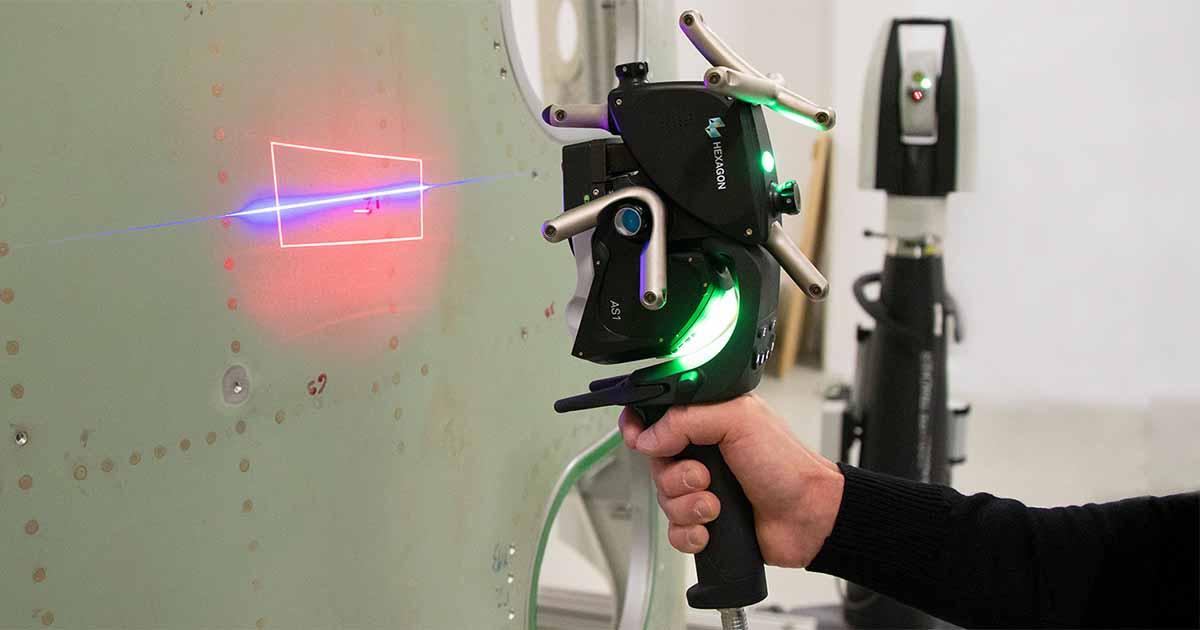
In the modern industrial environment, data is the currency of success. The ability to collect, analyze, and act upon accurate measurement data is what separates industry leaders from their competitors. Laser trackers are prolific data generators, providing a wealth of information about the physical characteristics of parts and assemblies. When this Laser Tracker Market Data is integrated into a company’s Enterprise Resource Planning (ERP) or Manufacturing Execution System (MES), it can provide a holistic view of production quality and efficiency. For example, by tracking measurement trends over time, engineers can identify subtle shifts in machine performance or material quality that might indicate an impending problem. This data-driven approach allows for more informed decision-making and helps companies move from reactive to proactive quality management.
The use of big data analytics in metrology is also opening up new possibilities for process optimization. By comparing measurement data from different shifts, machines, and facilities, manufacturers can identify best practices and areas for improvement. This kind of cross-plant benchmarking is particularly valuable for large multinational corporations looking to standardize quality across their global operations. Furthermore, the accessibility of measurement data is improving, with more companies adopting mobile and cloud-based platforms that allow stakeholders to view reports and analyze results from any device. This democratization of data ensures that quality information is available to those who need it most, from the shop floor to the boardroom. As the industry moves toward a more connected and data-centric future, the importance of accurate, reliable measurement data will only continue to grow, making laser trackers an essential asset for any forward-thinking manufacturing organization.
Can laser trackers work in bright sunlight? Modern trackers have improved filters and "PowerLock" technology that allow them to maintain a stable beam lock even in challenging lighting conditions.
How is the data exported from the tracker? Data is usually exported in formats like STEP, IGES, or CSV, allowing it to be easily imported into CAD/CAM software or statistical analysis tools.
➤➤➤Explore MRFR’s Related Ongoing Coverage In Semiconductor Industry:
Ar And Vr Smart Glasses Market
Digital Door Lock Systems Market

 English
 Arabic
 French
 Spanish
 Portuguese
 Turkish
 Dutch
 Italiano
 Russian
 Romaian
 Portuguese (Brazil)
 Greek
