


Best Interior Designers in Delhi: Transform Your Home
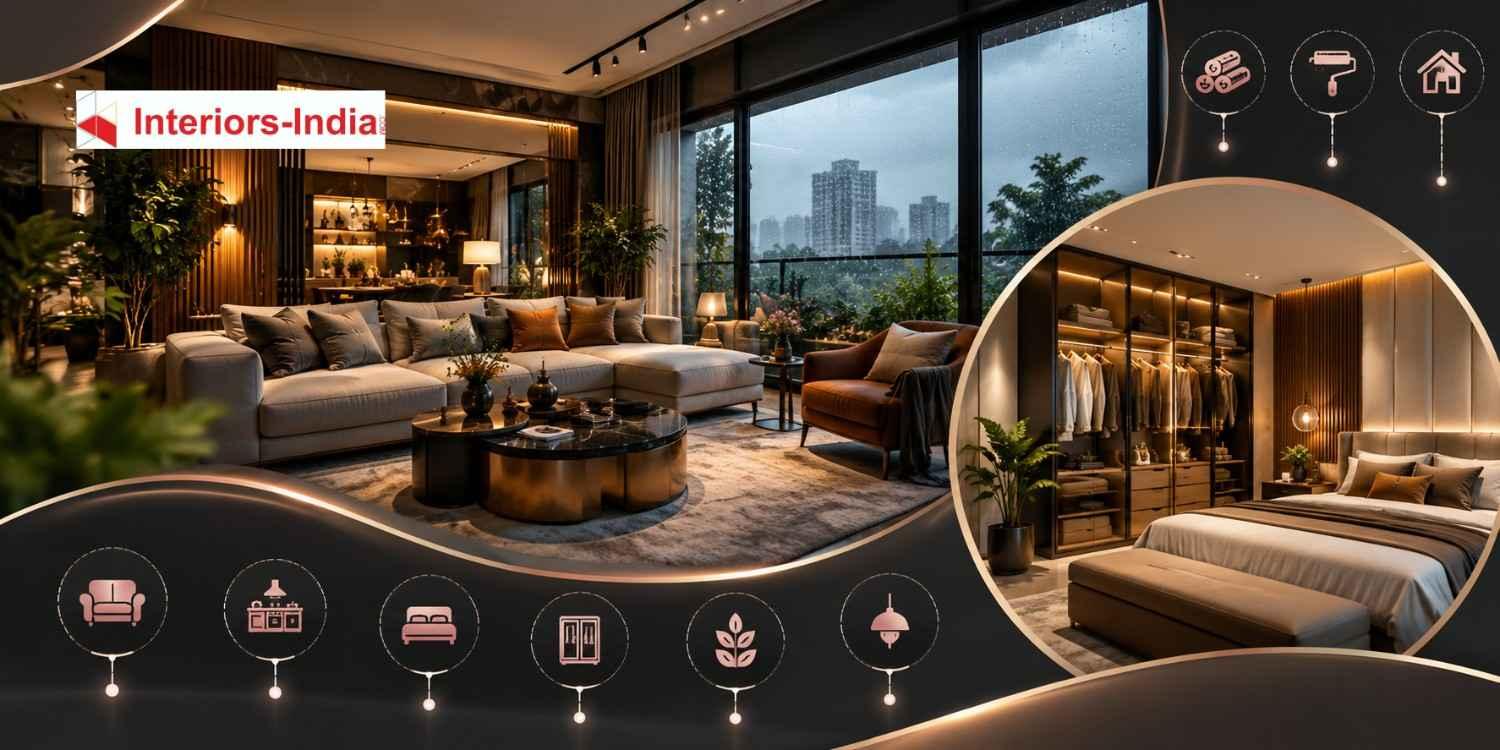
To choose the Best Interior Designers in Delhi one needs to choose a professional team that can understand one's lifestyle, available space, preferred designs, and budget. The well-planned house must be attractive but also provide convenience in terms of the layout, storage, good lighting, and quality material.
Regardless of whether one owns an apartment, builder floors, or independent houses, proper interior designs can make one's life comfortable without wasting much space. The Interiors-India concentrates on personal concepts, planning, and coordination to make people's lives more convenient through proper designs.
Before embarking on any interior designs, one needs to know his/her needs, design alternatives, set a realistic budget, and how the design process is going to take place from start to end.
1. What Should You Expect from an Interior Designer?
A well-designed home begins with understanding the residents’ lifestyle, daily routines, and practical needs before selecting furniture, colours, or decorative finishes. Experienced Best Interior Designers in Delhi can recommend solutions tailored to different households, such as additional storage and easy-to-clean surfaces for families with children or dedicated workstations and task lighting for professionals working from home. This personalised approach helps create comfortable, functional spaces that suit everyday living.
Delhi properties also have different planning requirements. Apartments in Dwarka may need space-saving furniture and efficient wardrobe layouts, while larger builder floors in South Delhi may require coordinated lighting, staircase planning, and carefully defined living and dining areas.
Interiors-India approaches home interiors with attention to functionality, personal preferences, and the relationship between different rooms. The objective is to create a cohesive design rather than treating every room as an unrelated project.
Understand the Complete Scope of Work
Interior design services can include initial consultations, site measurements, furniture layouts, material selection, 3D visualisations, modular kitchens, wardrobes, lighting plans, and execution management. However, every designer offers a different combination of services.
Ask whether the proposal covers design development only or includes procurement, installation, contractor coordination, and final quality checks. This distinction matters because a design-only agreement may leave you responsible for managing multiple contractors.
What to Compare Before Making a Decision
- Relevant experience: Review completed homes with similar layouts, sizes, and design requirements.
- Design documentation: Check whether the proposal includes dimensions, furniture layouts, material specifications, and relevant working drawings.
- Execution responsibility: Confirm who coordinates carpenters, electricians, painters, suppliers, and installation teams.
- Quotation transparency: Request itemised costs, clearly stated exclusions, payment milestones, and terms for additional work.
- Communication: Establish how progress updates, approvals, and unexpected site issues will be handled.
Compare proposals based on their actual scope and quality rather than choosing solely by the lowest quoted price. A detailed plan can help reduce misunderstandings and prevent expensive changes during execution.
2. How to Design a Home That Fits Your Lifestyle
A practical interior begins with the way you move through your home. Before selecting furniture, consider circulation space, natural light, storage requirements, ventilation, and the activities each room must support.
For example, a compact apartment may benefit from a wall-mounted television unit, a bed with built-in drawers, and wardrobes extending towards the ceiling. These choices can improve storage capacity without filling the room with separate furniture pieces.
Create a Comfortable Living Room
The living room should support conversation, relaxation, and entertainment without obstructing movement. Choose furniture according to the room's dimensions, maintain comfortable walking paths, and use lighting that supports different activities.
A combination of ambient lighting, task lighting, and selected accent lights can create a more adaptable environment. Instead of adding decorative panels to every wall, consider one carefully planned focal point and keep the remaining surfaces visually balanced.
Make Bedrooms Easier to Maintain
Bedroom planning should prioritise comfort, privacy, and accessible storage. Position wardrobes where their doors can open fully, provide convenient bedside surfaces, and avoid oversized furniture that restricts movement.
For smaller bedrooms, sliding wardrobe shutters may help where hinged doors would obstruct circulation. Neutral colours, layered lighting, and carefully selected fabrics can also create a calm atmosphere without requiring expensive decorative treatments.
Improve Kitchen Functionality
The kitchen should support preparation, cooking, cleaning, and storage in a logical sequence. Keep frequently used utensils near the preparation area, provide sufficient countertop space, and plan appliance positions before finalising cabinetry.
Material selection also matters. Choose cabinet finishes that suit your cooking habits, and check the moisture resistance, hardware quality, edge finishing, and maintenance requirements of the specified materials.
Plan Bathrooms and Work Areas Carefully
Bathrooms need effective ventilation, appropriate waterproofing, practical storage, and slip-conscious flooring. For home offices, focus on desk dimensions, ergonomic seating, accessible electrical points, cable management, and lighting that reduces screen glare.
These decisions may appear minor during the design stage, but they influence how comfortable the home feels after the project is complete.
3. Interior Design Costs in Delhi: Plan Your Budget
Interior design costs vary according to property size, material quality, carpentry requirements, renovation work, and the services included in the agreement. The following figures are broad planning estimates for Delhi NCR in 2026, not fixed market rates or quotations from Interiors-India.
A compact home with essential storage and standard finishes may require approximately ₹3.5–6 lakh. A typical 2 BHK with a modular kitchen, wardrobes, selected furniture, and basic lighting may require around ₹5–12 lakh. Larger homes or premium projects can exceed ₹12–20 lakh depending on the scope.
These ranges overlap because two properties with similar carpet areas may need very different amounts of custom cabinetry, electrical work, furniture, and finishing.
Identify the Main Cost Drivers
Material specifications can significantly influence the budget. Standard laminates, premium acrylic finishes, veneers, and specialised surface treatments have different costs and maintenance requirements. Cabinet boards, hinges, drawer channels, and other hardware also affect the final amount.
Custom carpentry adds complexity when furniture must fit unusual dimensions or include detailed finishes. Factory-made components may offer consistent production, but their suitability depends on measurements, specifications, installation, and quality control.
Civil and electrical modifications can create additional expenses. Moving plumbing points, changing wiring, repairing uneven walls, modifying ceilings, or replacing damaged flooring should be assessed before the main budget is approved.
Example: Budgeting for a 2 BHK in Dwarka
Imagine a 900-square-foot apartment requiring a modular kitchen, two wardrobes, a television unit, essential lighting, and selected finishing work. A preliminary budget of ₹7–10 lakh could be a reasonable planning starting point for a mid-range scope, subject to site inspection and material choices.
Request a written estimate specifying quantities, materials, installation charges, taxes, appliances, and exclusions. Keep a contingency reserve of approximately 10–15% for unforeseen conditions and approved changes.
A clear budget should also distinguish essential requirements from optional upgrades. This makes it easier to control spending without compromising important functional features.
4. Finding the Best Interior Designers in Dwarka
Planning a home interior project requires careful attention to apartment layouts, storage needs, building access, and residential society guidelines. Experienced Best Interior Designers in Dwarka can help homeowners address these practical considerations while developing functional layouts and selecting suitable materials. Considering these factors early can improve space utilisation, support smoother coordination, and help keep the project aligned with the planned schedule.
A site visit is particularly important because drawings may not reveal every obstruction, uneven surface, electrical point, or plumbing constraint. Accurate measurements help prevent problems during furniture production and installation.
Choose Designs That Suit the Property
For a compact Dwarka apartment, a well-planned wardrobe and multifunctional furniture may offer more value than extensive decorative panelling. In a larger builder floor, the priority could be consistent finishes, coordinated lighting, custom storage, and a balanced relationship between shared and private spaces.
Ask the designer to explain how the proposed layout improves functionality. Review material samples, confirm the specifications of hardware, and check whether the visualisations match the written scope.
Interiors-India can be considered when evaluating personalised design solutions that combine appearance with everyday practicality. Before making a commitment, compare the team's proposed process, execution responsibilities, and documented deliverables.
Check Practical Details Before Signing
Ask who will supervise the work, how changes will be approved, and what happens if materials are delayed. Confirm whether installation, defect correction, warranties, and final handover documentation are included.
You should also review the payment schedule and ensure that payments correspond to clearly defined milestones. Written agreements help establish accountability and reduce disputes during the project.
5. Modular Kitchen Planning for Delhi NCR Homes
A kitchen should be designed around cooking habits, available space, storage needs, and appliance requirements. Selecting a layout before confirming these details can lead to awkward working areas, insufficient storage, and unnecessary modifications.
Homeowners comparing Modular Kitchen Designers in Gurgaon should evaluate the complete kitchen proposal rather than focusing only on the appearance of cabinet shutters. The same considerations apply when planning a kitchen elsewhere in Delhi NCR.
Select the Right Layout and Materials
Straight kitchens can work well in narrow spaces, while parallel layouts may provide useful work surfaces in suitable rooms. L-shaped and U-shaped kitchens can offer additional preparation areas, provided the available dimensions allow comfortable movement.
Cabinet materials should suit the kitchen's moisture exposure and expected workload. Ask for specific board grades, edge treatments, countertop specifications, hardware details, and warranty conditions.
Make Storage and Maintenance Priorities
Deep drawers can improve access to cookware, while vertical dividers can organise trays and chopping boards. Pantry units and pull-out accessories may increase convenience when their dimensions suit the actual kitchen.
Before approving the final design, verify appliance sizes, electrical points, plumbing connections, ventilation, and countertop measurements. Interiors-India can help homeowners consider how kitchen finishes and storage should coordinate with the adjoining interior scheme.
6. The Interior Design Process: From Concept to Handover
A structured process helps homeowners understand what happens at each stage and when important decisions must be finalised. The exact duration depends on the property's condition, material availability, design complexity, and execution requirements.
Stage 1: Discovery and Site Measurement
The designer discusses your lifestyle, preferences, budget, and move-in deadline before measuring the property. Existing services, structural constraints, window positions, and storage opportunities are recorded.
Stage 2: Space Planning and Concept Development
Furniture layouts, storage plans, lighting concepts, and material directions are developed around your requirements. Resolve major questions about circulation, furniture dimensions, and room functionality before proceeding.
Stage 3: Design Visualisation and Approval
Two-dimensional drawings explain dimensions and placement, while 3D visualisations help communicate the intended appearance. Review these alongside material specifications and working drawings before approving the design.
Stage 4: Procurement and Site Preparation
Materials are ordered, and necessary civil, plumbing, and electrical work is coordinated. For properties in residential societies, confirm renovation permissions, working hours, lift access, and debris-removal arrangements.
Stage 5: Installation and Quality Checks
Carpentry, kitchen installation, wardrobes, lighting, painting, and finishing work proceed according to the approved schedule. Inspect dimensions, alignment, surface quality, and the operation of installed hardware.
Stage 6: Final Inspection and Handover
Test drawers, shutters, switches, sockets, and plumbing fixtures included in the project. Record unfinished work in a snag list, agree on correction dates, and collect relevant warranties and care instructions.
7. A Short Conversation About Home Interior Planning
Homeowner: I would like my home to be designed stylishly, but I need it to also be comfortable and functional within budget constraints.
Designer: Best Interior Designers in Delhi can help in designing practical and personalized spaces for you.
Homeowner: Would interiors-India help me with design decisions?
Designer: Interiors-India works with the aspect of designing the home keeping planning and functionality in mind.
Summary
Building a comfortable house is not just about having beautiful finishing. Planning carefully, using appropriate materials, budgeting sensibly, and delegating proper execution roles are some ways through which all rooms can suit your needs.
Be it remodelling an apartment in Dwarka, remodeling a builder floor in South Delhi, or building a modern house in Delhi NCR, figure out what is most important to you before giving final approval to the plan. Interiors-India could be the beginning of your quest for interior solutions.
Some Important Questions
1. How much do interior designers in Delhi charge?
Costs depend on property size, material specifications, carpentry, and execution scope. Many 2 BHK projects may require approximately ₹5–12 lakh, while premium or larger projects can cost more. Request an itemised quotation for an accurate estimate.
2. How do I choose an interior designer for my home?
Review relevant projects, compare written proposals, check material specifications, and clarify execution responsibilities. Choose a professional who understands your requirements and explains the reasoning behind the proposed layout.
3. What should an interior design package include?
Depending on the agreement, it may include site measurements, space planning, design visualisations, material selection, modular kitchen and wardrobe planning, procurement, installation, and project coordination. Confirm all inclusions and exclusions in writing.
4. How much does a modular kitchen cost in Delhi NCR?
A basic modular kitchen may cost approximately ₹1.2–2.5 lakh, while a mid-range kitchen may cost around ₹2.5–5 lakh. Premium materials, specialised hardware, larger layouts, and appliances can increase the final cost.
5. How long does a complete home interior project take?
A straightforward project may take several weeks, while a complete home renovation with custom carpentry and civil modifications can take several months. Request a timeline covering design approvals, procurement, installation, and final inspection.
About us -
Official Email - team@interiors-india.com
Official No. - +91 971-812-5263

 Arabic
 French
 Spanish
 Portuguese
 Deutsch
 Turkish
 Dutch
 Italiano
 Russian
 Romaian
 Portuguese (Brazil)
 Greek
