


Local Digital Marketing Strategies to Attract More Customers in Your Area
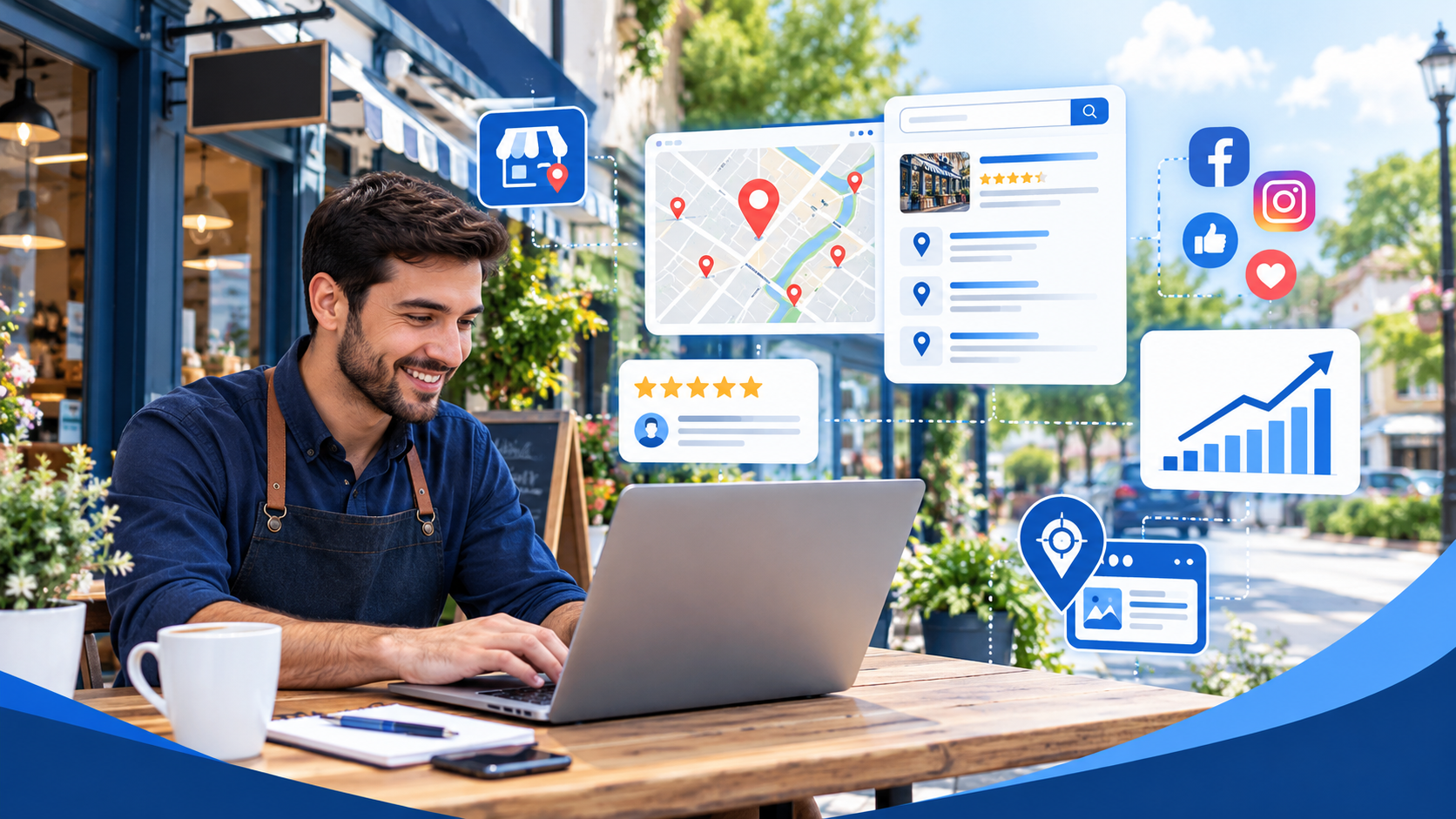
A customer two miles away types “plumber near me” into their phone. Three businesses show up on the map, and yours isn’t one of them. Maybe you have a website, a Facebook page, and a few good reviews, but something isn’t connecting. That’s the gap local digital marketing is meant to close. It’s about making sure people nearby can find you at the moment they need you, and trust what they find. Here’s how it works, what to fix first, and how to tell whether it’s paying off.
How Local Digital Marketing Differs From General Online Marketing
General online marketing tries to reach as many people as possible. Local digital marketing tries to reach the right people within driving distance, and it measures success in phone calls, direction requests, and walk-ins rather than raw traffic.
That changes the priorities. A nationwide blog post matters less than whether your hours are correct, your service area is clear, and your last ten reviews are recent. The searcher also has a different mindset. Someone looking for a dentist near them is usually ready to act, which makes small details far more important.
How Google Decides Which Local Businesses to Show
Google’s Business Profile help page says local results are mainly based on three things: relevance, distance, and prominence.
Relevance is how well your profile matches what someone searched for. Distance is how far you are from the searcher, or from the place named in the search. Prominence is how well known you are, based on things like reviews, links, articles, and directories. Google also says review count and score factor in, and that regular SEO practices apply to your website.
You can’t change distance. You can improve the other two, and that’s where your effort should go.
Start With Your Google Business Profile
For most local businesses, this is the highest-value fix and costs nothing but time. Claim your profile if you haven’t, then check these:
-
Choose the primary category that most closely describes what you do, not the broadest one.
-
List every service you actually offer, in plain words customers use.
-
Keep hours accurate, including holidays and seasonal changes.
-
Add real photos of your work, location, and team.
-
Set a service area if you travel to customers rather than serve them at a storefront.
Google advises adding complete and detailed information, because it helps match your profile to relevant searches. A half-filled profile is one of the most common reasons a decent business gets passed over.
Reviews, Website Pages, and Listings That Back It Up
Reviews help in two ways. They feed prominence, and they convince the person deciding between you and a competitor. Ask every satisfied customer, ideally right after the job is done, and reply to each review, including the unhappy ones. Never buy or fake them.
Your website should support what your profile claims. Give each main service its own page, and if you serve several towns or neighborhoods, explain what you actually do in each rather than copying the same text with a different name swapped in.
Finally, keep your business name, address, and phone number identical everywhere it appears, including directories and social profiles. Small differences confuse people as well as search engines.
Where Paid Ads and Social Media Fit
Organic visibility takes time. Local ads can cover the gap. Limit them to your real service area, target searches that show urgency, and send people to a page that matches the ad instead of your homepage. Add call tracking if phone calls are how you win customers.
Social media is strongest for local business marketing when it feels like a neighbor talking, not a brand broadcasting. Show finished jobs, introduce your team, and join community conversations. Don’t expect social posts to push you up the map results, though. Their job is trust and word of mouth.
A 30-Day Order of Operations
If you’re starting from scratch, this sequence keeps you from spreading yourself thin:
-
Week one: Claim and complete your Google Business Profile, and fix any inconsistent name, address, or phone details.
-
Week two: Set up a simple review request routine and make sure each core service has its own website page.
-
Week three: Add or correct listings in the directories your customers actually use, and publish one useful local page, such as an answer to a question customers always ask.
-
Week four: Set up tracking for calls, form submissions, and direction requests. Then decide whether short-term ads make sense.
On budget, there’s no honest universal number. Start with what you can sustain for at least several months, and judge it by cost per customer, not by clicks. If one new customer is worth well more than your monthly spend, the math is usually workable. Treat local digital marketing as a steady habit. It won’t work if you stop after six weeks.
Common Mistakes and When to Get Help
Most local campaigns stall for the same few reasons: duplicate or unclaimed listings, outdated hours, thin service pages, targeting an area far wider than you can serve, and no tracking at all.
If you decide to hire local SEO services, ask what they’ll do in the first 30 days, who owns your profile and accounts (it should be you), how they report results, and what happens if you leave. Be cautious about anyone who guarantees a number-one ranking. Nobody controls that.
Frequently Asked Questions
How long does local SEO take to work?
Usually months, not weeks. Fixes like completing your profile can show movement sooner, but reviews, listings, and content build gradually. Competition matters, since a quiet market moves faster than a crowded one. Judge progress over a quarter instead of checking rankings daily.
Do I need a website if I have a Google Business Profile?
A profile alone can bring calls, but a website gives Google more to understand and gives customers a place to confirm details. If a full site isn’t possible yet, a simple one-page site listing your services, area, and contact details is a solid start.
How many reviews do I need?
There’s no magic number. Google says review count and score both factor into local ranking, so aim for steady, recent reviews instead of a one-time burst. Look at the businesses ranking above you and plan to keep pace with them.
Can a business without a storefront show up in local results?
Yes, if you serve customers at their location, like a plumber or cleaner. You can set service areas on your profile instead of showing a street address. Distance still matters, so expect stronger visibility closer to where you’re based.
Making Local Digital Marketing Work Month After Month
One habit is worth building from day one: ask every new customer how they found you. It takes ten seconds, and after a few months you’ll know which of your efforts actually brings in business and which only feel busy. That answer is often more useful than any dashboard.
If you’d rather not set up that tracking yourself, a team like Pixel Code can help put it in place. The point is to let real customer behavior, not guesses, decide where your next hour and your next dollar go.

 English
 Arabic
 French
 Spanish
 Portuguese
 Deutsch
 Dutch
 Italiano
 Russian
 Romaian
 Portuguese (Brazil)
 Greek
