


How Does Dental Amalgam Removal Protect Oral Health?
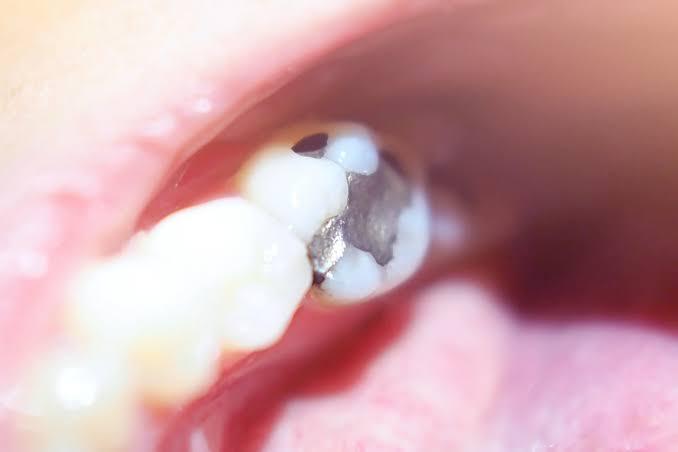
Dental fillings play an important role in protecting teeth from further decay, but not every filling lasts forever. Dental amalgam, a traditional filling material made from a mixture of metals, including silver, tin, copper, and mercury, has been used for many years to restore damaged teeth. Although these fillings are durable, some patients may need them replaced because of cracks, wear, or decay around the filling. Understanding the benefits and limitations of Dental Amalgam Removal in dubai can help patients make informed decisions about their oral health. However, removing a stable, intact amalgam filling is not always necessary, and a dentist should assess each case individually.
What Is Dental Amalgam Removal?
Dental amalgam removal is a dental procedure in which an existing amalgam filling is taken out and, when appropriate, replaced with another restorative material. Dentists may recommend this treatment when a filling is damaged, has deteriorated, or no longer adequately protects the tooth.
Why Are Amalgam Fillings Removed?
There are several reasons a dentist might suggest replacing an amalgam filling, including:
-
Cracked or worn fillings: Damage can compromise the seal between the filling and the tooth.
-
Recurrent tooth decay: Bacteria can cause new cavities around an existing restoration.
-
Tooth sensitivity: Persistent discomfort may require an examination to identify the underlying cause.
-
Restorative needs: A dentist may recommend a different filling material when replacing a defective restoration.
-
Patient preferences: Some patients prefer tooth-coloured materials for aesthetic reasons.
The decision should be based on a clinical examination rather than assumptions that every older filling is harmful.
How Does Dental Amalgam Removal Protect Oral Health?
When a filling is damaged or associated with dental problems, appropriate removal and replacement can help preserve the affected tooth and support long-term oral health.
1. Helps Prevent Further Tooth Decay
A damaged filling may leave gaps where food particles and bacteria can accumulate. If decay develops underneath or around the restoration, it can gradually damage the natural tooth structure.
Removing the defective filling allows the dentist to examine the affected area, remove decayed tissue when necessary, and restore the tooth with a suitable material. Early treatment may help prevent more extensive damage and reduce the likelihood of needing complex dental procedures.
2. Supports Tooth Structure and Function
A filling should protect a tooth while allowing comfortable chewing. When an amalgam restoration becomes cracked, loose, or worn, it may no longer provide adequate support.
Replacing a defective filling can restore the tooth's shape and function. Depending on the extent of the damage, the dentist may recommend a composite filling, another suitable restoration, or a crown. The right option depends on how much healthy tooth structure remains.
3. Addresses Symptoms and Discomfort
Some patients experience sensitivity or discomfort around an existing filling. These symptoms can result from several issues, including decay, cracks, gum problems, or changes in the tooth's nerve.
Dental amalgam removal may help when the filling itself is contributing to the problem. However, removing it does not automatically resolve sensitivity. A thorough examination is essential to identify the actual cause and determine the most appropriate treatment.
What Happens During the Removal Procedure?
Understanding the process can make a dental appointment feel less intimidating.
Examination and Treatment Planning
The dentist examines the tooth, reviews symptoms, and may take dental X-rays if needed. This helps determine whether the filling should be removed and which replacement material is appropriate.
Safe Removal of the Filling
When removal is indicated, the dentist uses appropriate instruments and protective measures to minimise unnecessary exposure to amalgam particles and mercury vapour. Techniques may include effective suction, water cooling, and suitable isolation methods.
The procedure should be performed by a trained dental professional using appropriate safety protocols. Patients should discuss any concerns, relevant medical history, or previous reactions to dental materials before treatment.
Replacing the Filling
After removing the defective restoration, the dentist assesses the remaining tooth structure. A suitable replacement is then placed to restore function and protect the tooth. Patients receive aftercare instructions to support healing and maintain the restoration.
Is Dental Amalgam Removal Necessary for Everyone?
No. Major dental and public health organisations generally advise against removing intact amalgam fillings that are functioning properly when there is no clinical reason to replace them. Unnecessary removal can sacrifice healthy tooth structure and temporarily increase exposure to mercury vapour.
For patients with a damaged filling, recurrent decay, or another recognised dental concern, replacement may be beneficial. Anyone worried about mercury exposure should discuss the potential risks and benefits with a qualified dentist before making a decision.
How to Maintain Oral Health After Treatment
Good oral hygiene helps protect the restored tooth and surrounding gums. Follow these practical steps:
-
Brush twice daily with fluoride toothpaste.
-
Clean between your teeth every day using floss or interdental brushes.
-
Attend regular dental check-ups to identify problems early.
-
Limit frequent consumption of sugary foods and drinks.
-
Follow your dentist's instructions regarding sensitivity and eating after treatment.
-
Contact your dentist if pain, swelling, or persistent discomfort develops.
These habits can help extend the life of a new restoration and reduce the risk of future cavities.
Conclusion
Dental amalgam removal can protect oral health when an existing filling is damaged, worn, or associated with recurrent decay. By addressing these problems and restoring the tooth appropriately, dentists can help preserve tooth structure, improve chewing function, and reduce the risk of further complications. However, removing a healthy, intact filling without a clear clinical reason may cause unnecessary damage. The best approach is to seek a professional dental assessment, understand the available treatment options, and choose a plan that prioritises long-term oral health.

 English
 Arabic
 French
 Portuguese
 Deutsch
 Turkish
 Dutch
 Italiano
 Russian
 Romaian
 Portuguese (Brazil)
 Greek
