


What Is Generative Engine Optimization (GEO)? A Complete Guide
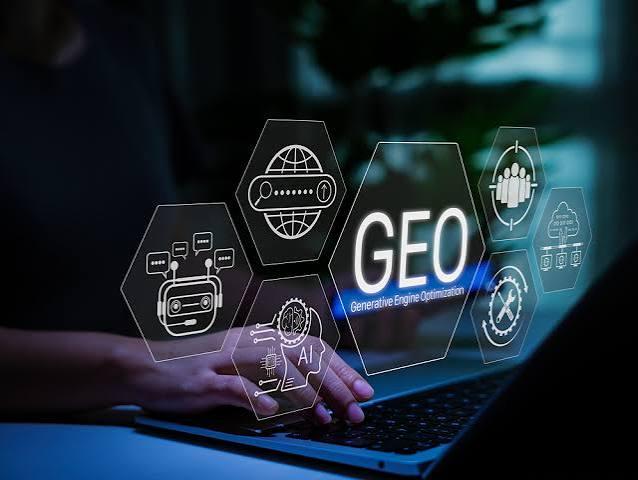
Generative Engine Optimization (GEO) is becoming an important part of digital marketing as people increasingly use AI-powered platforms to find information, compare products, and discover businesses. Instead of visiting multiple websites, users can receive direct answers from tools such as ChatGPT, Google AI Overviews, and Perplexity. This change creates new opportunities for businesses to improve their online visibility and reach potential customers.
GEO helps businesses create useful, relevant, and trustworthy content that AI-powered search systems can discover, understand, and potentially reference in their responses. Although GEO is gaining attention, it does not replace traditional search engine optimization. Businesses should combine GEO with established SEO practices to build a strong online presence and provide helpful information to their target audience.
What Is Generative Engine Optimization?
Generative Engine Optimization is the process of improving website content and online brand visibility to increase the chances of appearing in AI-generated answers. It involves creating relevant content, improving website accessibility, demonstrating expertise, and building credibility across the web. The main goal is to help AI-powered systems identify useful information that answers users' questions.
For example, someone might ask an AI assistant, "What digital marketing strategies can help a small business grow?" The assistant may generate an answer using information from different sources. A business that publishes informative guides, detailed service pages, and reliable industry information may have an opportunity to appear as a referenced source. However, no optimization method can guarantee a citation in every AI response.
How Does Generative Engine Optimization Work?
AI-powered search systems use different methods to discover and process information. Some retrieve relevant web pages, evaluate available information, and generate answers supported by external sources. Others combine different approaches to produce responses. Content relevance, accessibility, accuracy, and context can all contribute to whether a page is useful for a particular search.
Businesses can improve their content by using descriptive headings, clear explanations, relevant examples, and accurate facts. They should also make sure important pages remain accessible to relevant search crawlers. These practices help users understand website content and support the technical foundations of search visibility.
GEO vs. Traditional SEO
Traditional SEO focuses on improving a website's visibility in organic search results through content optimization, technical improvements, and relevant backlinks. GEO focuses on increasing a brand's chances of being mentioned or cited in AI-generated responses. While their immediate goals differ, both approaches depend on useful content, clear information, relevance, and credibility.
GEO is not a replacement for SEO. Google explains that established SEO fundamentals remain important for its AI search features. Businesses should continue improving their website structure, publishing helpful content, and understanding search intent while exploring opportunities to increase their visibility across AI-powered platforms.
Why Is Generative Engine Optimization Important for Businesses?
Improve Brand Visibility and Awareness
GEO gives businesses another opportunity to introduce their products and services to potential customers. When an AI platform references a relevant website, users may discover the brand while researching a problem or comparing available solutions. This visibility can support brand awareness even when users do not immediately visit the website.
However, results vary between platforms, topics, and user questions. Businesses should treat GEO as part of a broader digital marketing strategy instead of relying on it as a guaranteed source of website traffic.
Build Trust and Reach Potential Customers
Customers often research several options before choosing a product or service. Businesses can build credibility by publishing accurate guides, explaining their services clearly, and supporting important claims with trustworthy sources. Original research, genuine customer experiences, expert commentary, and detailed case studies can make content more useful than articles that simply repeat existing information.
For example, a digital marketing agency can publish practical resources about SEO costs, website performance, local search, and content strategy. These resources can educate potential clients while strengthening the company's online presence.
How to Optimize Content for Generative Engines
Create Helpful, People-First Content
Start by understanding your audience's questions, problems, and goals. Write content that answers these questions directly and provides meaningful explanations instead of repeating keywords throughout every paragraph. A useful article should explain the topic clearly, include relevant examples, and help readers make informed decisions.
Businesses should also use semantic SEO naturally. Related keywords such as AI search optimization, answer engine optimization, AI-generated answers, natural language processing, semantic relevance, brand authority, and search intent help cover the subject comprehensively. Include these terms only where they fit the context rather than forcing them into unrelated sentences.
Use Clear Headings and Improve Technical SEO
Organize articles with descriptive H2 and H3 headings, concise introductions, and logical sections. Answer the main question near the beginning of each section, then provide supporting details and examples. This structure improves readability and helps visitors find the information they need.
Technical accessibility is equally important. Businesses should check whether search engines can crawl and index their important pages, whether internal links work correctly, and whether their websites display properly on mobile devices. A suitable Technical SEO services strategy can help identify crawlability issues, improve website structure, and maintain clear indexing signals. These improvements support search visibility but do not guarantee inclusion in AI-generated responses.
Develop a Consistent Content Marketing Strategy
Businesses should publish useful resources that address different stages of the customer journey. Informational blog posts can answer general questions, comparison articles can help users evaluate options, and service pages can explain how a business solves specific problems. This approach creates a more complete and useful website.
Effective Content Marketing services can help businesses plan relevant topics, maintain a consistent brand voice, and produce content that supports audience needs. A well-organized content strategy also helps businesses connect related pages through relevant internal links and build deeper coverage of important subjects.
Demonstrate Experience, Expertise, and Trustworthiness
Google's E-E-A-T principles stand for Experience, Expertise, Authoritativeness, and Trustworthiness. Businesses can demonstrate these qualities by sharing genuine experiences, providing accurate explanations, identifying qualified authors where relevant, and maintaining transparent business information. Reliable references and original examples can also help readers evaluate the quality of an article.
Avoid inventing statistics, customer reviews, qualifications, or case studies. If AI tools help with content creation, review the material carefully, verify its claims, and add meaningful human judgment. The goal is to publish information that serves readers rather than producing large amounts of generic content.
How to Measure GEO Performance
Measuring GEO performance helps businesses understand whether their efforts are improving online visibility and supporting business goals. Track brand mentions, AI citations, referral visits, organic impressions, qualified leads, and conversions where the necessary data is available. These indicators provide a broader view of performance than rankings alone.
Businesses can also test a consistent set of customer questions across relevant AI platforms and record whether their brand appears. Repeating these checks over time provides more useful information than relying on a single answer. Google Search Console and website analytics can help evaluate broader search performance and visitor behavior, although AI visibility reporting varies between platforms.
Common Generative Engine Optimization Mistakes
One common mistake is publishing generic content without original insights or useful examples. Another is assuming that keyword repetition, structured data, or special AI files will automatically make a website appear in generated answers. These tactics cannot guarantee citations or visibility.
Businesses should also avoid spammy backlinks, fake brand mentions, unsupported claims, and promises of guaranteed AI rankings. Instead, focus on helpful information, technical accessibility, genuine authority, and a positive user experience. Regularly reviewing content and correcting outdated information can help maintain quality over time.
Frequently Asked Questions
1. What Is Generative Engine Optimization in Simple Terms?
Generative Engine Optimization is the process of improving content and brand visibility so AI-powered search systems can discover and potentially reference a business in generated answers.
2. Is GEO Replacing Traditional SEO?
No. GEO complements SEO rather than replacing it. Helpful content, technical accessibility, relevant information, and website quality remain important for online visibility.
3. How Can I Optimize My Website for AI Search?
Create useful content, answer customer questions clearly, support claims with reliable sources, improve crawlability, and build a trustworthy online presence. Review your results regularly and update content when necessary.
4. Does GEO Guarantee Traffic From AI Platforms?
No. AI mentions and citations are not guaranteed, and some answers may not generate website visits. Track actual referral traffic, leads, and conversions to evaluate business value.
5. How Long Does GEO Take to Show Results?
There is no fixed timeline for GEO results. Outcomes depend on factors such as content quality, website accessibility, competition, brand recognition, and the behavior of individual AI platforms.
Conclusion
Generative Engine Optimization gives businesses another way to approach online visibility as AI-powered search continues to evolve. The strongest approach combines helpful content, reliable information, technical SEO, genuine brand authority, and consistent performance measurement.
Rather than chasing quick fixes, businesses should create resources that answer real customer questions and support their wider SEO goals. By regularly reviewing content, improving website accessibility, and measuring meaningful outcomes, businesses can adapt to changing search experiences while keeping their audience at the center of their strategy.

 English
 Arabic
 French
 Spanish
 Portuguese
 Deutsch
 Turkish
 Dutch
 Italiano
 Russian
 Romaian
 Greek
