


Reliable Button Fastening for Modern Garment Manufacturing
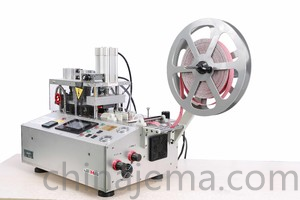
Buttons combine practical fastening with visual design, making them important components in shirts, coats, trousers, uniforms, children's clothing, and fashion garments. Their placement and attachment influence how a garment looks, how easily it can be fastened, and how well it performs during regular use. In garment manufacturing, button attachment is therefore a key assembly operation that requires appropriate component handling, consistent positioning, and reliable fastening.
Buttons come in many materials, including plastic, resin, metal, wood, shell, and other decorative materials. Their shapes may be flat, rounded, textured, or specially designed to match a particular garment. Fabrics also vary considerably, from lightweight cotton and woven synthetics to denim, wool, canvas, and heavier workwear textiles. These differences affect the handling and attachment process, so manufacturers need to consider both the button design and the fabric structure.
Positioning is one of the most visible quality factors. On a shirt, evenly spaced buttons help the front panels align properly. On a coat or uniform, button placement contributes to a balanced appearance and predictable fastening. If positions vary, buttonholes may not line up as intended, making the garment harder to close and reducing visual consistency. Repeatable attachment methods help manufacturers maintain the intended design across production batches.
Secure fastening is equally important. Buttons experience repeated pulling and movement as people open and close their clothing. A loose button can inconvenience the wearer and may require repair. Garment manufacturers therefore need a process that supports reliable attachment while protecting the surrounding fabric and maintaining the intended appearance. Appropriate equipment and inspection practices can help reduce defects before products move to packaging.
The consumer experience extends beyond durability. Buttons influence how easily a garment can be worn and adjusted. For children's clothing, convenient fastening can simplify dressing routines. For uniforms and workwear, dependable buttons contribute to daily practicality. Decorative buttons also help express the style of fashion garments, making their alignment and presentation part of the product's overall design.
Automation can support consistent results in repetitive production environments. Manual attachment may remain suitable for customized clothing, prototypes, or limited batches, but large orders require many repeated operations. Automated machinery can help standardize positioning and fastening movements, reducing reliance on repetitive manual work. Operators can then focus on garment preparation, machine supervision, and checking finished components.
Production flexibility is another consideration. Manufacturers may switch between garments that use different button sizes, materials, colors, and placement arrangements. A practical workflow should accommodate these changes while keeping setup and inspection manageable. Appropriate equipment selection, clear working procedures, and operator training can help maintain consistency across varied product requirements.
Quality control should cover both placement and attachment. A button may look correctly positioned but still need checking for secure fastening. Likewise, a firmly attached button can create a visual problem if its position differs from the intended pattern. Checking representative garments and identifying recurring issues early can help production teams correct problems before they affect larger quantities.
Efficient attachment also supports material utilization. When buttons are misplaced or inadequately secured, garments may require rework, replacement components, or additional labor. Correcting defects can become more complicated as products progress through the production line. Consistent processing helps reduce avoidable corrections and supports better use of time and materials.
Operators remain important in automated production. They prepare garments and buttons, monitor machine behavior, verify results, and respond to changes in production requirements. Machinery should make these responsibilities more manageable through stable operation and practical controls. Automation works best when it complements skilled workers and supports an organized manufacturing process.
JEMA develops textile machinery solutions to support garment processing and production automation. With suitable equipment and consistent quality checks, button attachment can become a more predictable part of garment assembly, helping manufacturers maintain product appearance, support everyday usability, and reduce repetitive work. Companies exploring equipment for apparel manufacturing can discover additional solutions at https://www.chinajema.com/product/.

 English
 Arabic
 French
 Spanish
 Portuguese
 Deutsch
 Turkish
 Italiano
 Russian
 Romaian
 Portuguese (Brazil)
 Greek
