


Understanding Circuit Board Assembly and Circuit Board Design: A Complete Guide
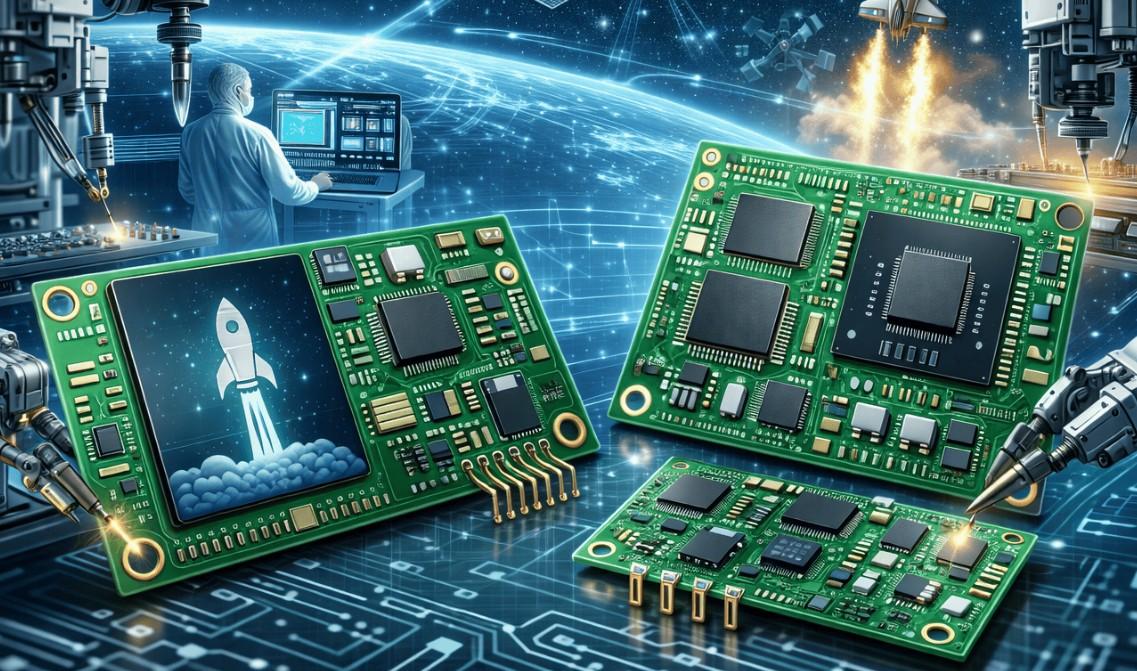
Modern electronic devices rely on printed circuit boards (PCBs) to connect components and support reliable electrical performance. From consumer electronics to industrial equipment, circuit board assembly and circuit board design are essential stages in developing functional electronic products. Understanding how these processes work helps businesses choose suitable manufacturing solutions, manage production costs, and achieve consistent quality.
Understanding Circuit Board Design
Circuit board design is the process of planning how electronic components will connect and function on a printed circuit board. Engineers begin by defining the product's electrical requirements, selecting appropriate components, and developing a schematic that illustrates the connections between them.
The schematic is then translated into a physical PCB layout. During this stage, designers determine component placement, copper routing, board dimensions, layer configuration, and manufacturing clearances. They must also consider signal integrity, thermal management, power distribution, and electromagnetic interference.
A well-planned design helps reduce manufacturing difficulties and improves the likelihood that the finished board will perform as intended. Design reviews and design-for-manufacturability checks can identify potential problems before production begins.
What Is Circuit Board Assembly?
Circuit board assembly involves mounting and connecting electronic components to a fabricated PCB. The process transforms a bare circuit board into a functional electronic assembly.
Depending on the product, manufacturers may use surface-mount technology (SMT), through-hole technology, or a combination of both. SMT components are placed directly onto surface pads, while through-hole components have leads inserted through holes in the board.
A typical assembly workflow includes solder paste application, component placement, soldering, inspection, and electrical testing. Automated equipment supports accurate placement and repeatable production, while specialized inspection methods help identify defects such as solder bridges, misplaced components, and insufficient solder joints.
The right assembly process depends on component specifications, production volume, board complexity, and reliability requirements.
Why Design and Assembly Must Work Together
Circuit board design and assembly are closely connected. A design that performs well electrically must also be practical to manufacture and inspect. Component spacing, pad geometry, thermal requirements, and board accessibility can all affect assembly quality.
Collaboration between design engineers and manufacturing teams helps identify production risks early. This approach can reduce costly redesigns, improve material utilization, and support more efficient production schedules.
Altest Corp provides PCB-related services for businesses seeking support with electronic product development and manufacturing. Visit the website to explore available capabilities and determine which services suit your project requirements.
Frequently Asked Questions
1. How to assemble a PCB board?
Assembling a PCB involves several steps, and the exact workflow depends on the board design and component types.
Step 1: Prepare the bare PCB. Verify that the fabricated board matches the design files and inspect it for visible damage or defects.
Step 2: Apply solder paste. For surface-mount assembly, solder paste is deposited onto the appropriate pads, often using a stencil.
Step 3: Place the components. Components are positioned according to the bill of materials and placement files. Automated pick-and-place machines are commonly used for production.
Step 4: Solder the components. Surface-mount boards typically pass through a reflow soldering process. Through-hole components may be soldered using wave soldering or selective soldering, or by hand when appropriate.
Step 5: Inspect the assembly. Visual inspection and automated optical inspection can help detect placement and soldering problems. X-ray inspection may be useful for certain hidden solder joints.
Step 6: Test the board. Electrical testing, in-circuit testing, or functional testing can verify whether the assembly meets its requirements.
For complex or safety-critical products, professional assembly and appropriate quality controls are strongly recommended.
2. How much does it cost to assemble a PCB?
PCB assembly costs vary according to board size, component count, design complexity, production quantity, and required testing. Component sourcing, specialized materials, fine-pitch components, and short production runs can also affect the final price.
Prototype assemblies may cost more per board because setup and engineering expenses are spread across fewer units. Larger production runs often reduce per-unit costs through automation and bulk purchasing.
For an accurate quotation, provide the manufacturer with your Gerber files, bill of materials, component placement files, required quantity, and testing specifications. Ask whether the quotation includes PCB fabrication, components, assembly, inspection, and shipping. Comparing itemized quotations helps you understand the actual cost and avoid unexpected charges.
3. How much does a PCB assembler make?
A PCB assembler's earnings depend on location, experience, technical skills, employer, and job responsibilities. Entry-level assemblers may perform basic component placement and soldering, while experienced technicians may handle fine-pitch components, rework, inspection, and complex assemblies.
In the United States, compensation can range from entry-level hourly wages to higher earnings for experienced electronics manufacturing technicians. Exact figures vary by employer and region, so current local job listings and salary surveys provide the best estimates.
Skills such as interpreting assembly drawings, using soldering equipment, following electrostatic discharge precautions, and understanding quality standards can improve employment opportunities. Additional training in SMT equipment, inspection, and rework may support career advancement.
4. What are the parts of a circuit board called?
A circuit board contains several important elements that work together to create electrical connections and support electronic functions.
-
Substrate: The base material that provides mechanical support, commonly fiberglass-reinforced epoxy such as FR-4.
-
Copper traces: Conductive paths that connect components electrically.
-
Pads: Exposed conductive areas where component terminals are soldered.
-
Vias: Plated holes that connect copper layers in multilayer boards.
-
Solder mask: A protective coating that helps prevent unintended solder connections.
-
Silkscreen: Printed markings used for component labels, reference designators, and assembly information.
-
Electronic components: Resistors, capacitors, integrated circuits, diodes, connectors, and other devices that perform specific functions.
Together, these elements enable the PCB to support and connect the electronic components required by the product. Their selection and arrangement during circuit board design directly influence manufacturability, performance, and long-term reliability.

 English
 Arabic
 French
 Spanish
 Portuguese
 Deutsch
 Dutch
 Italiano
 Russian
 Romaian
 Portuguese (Brazil)
 Greek
