


Laser Skin Tightening in Dubai: Exploring Technology Smoother, Firmer Appearance
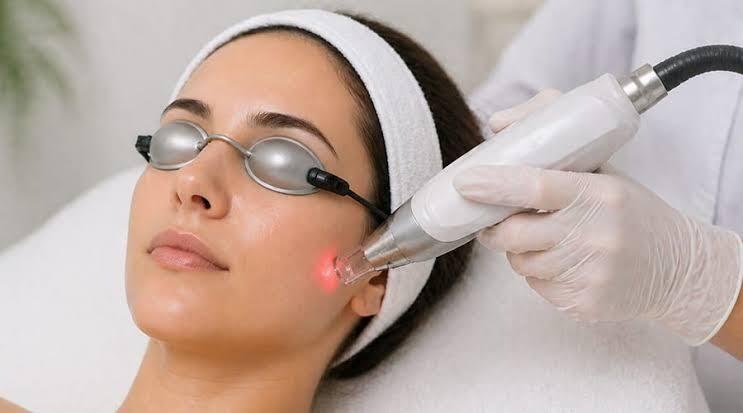
Skin can gradually lose some of its firmness and elasticity as part of the natural ageing process. Changes in collagen, environmental exposure, and shifts in skin structure may contribute to a softer jawline, fine lines, or looser-looking skin around the cheeks, neck, and other areas. Modern aesthetic technology offers several non-surgical approaches designed to improve the appearance of skin firmness.
For people considering Laser Skin Tightening in Dubai, understanding how energy-based treatments work and which option suits their goals is an important first step. At Perla Dermatology Clinic, a personalised approach can help patients explore suitable skin treatments based on their concerns, skin characteristics, and desired outcomes.
Understanding Laser Skin Tightening
What Is Laser Skin Tightening?
Laser skin tightening uses selected wavelengths of light energy to heat targeted skin tissue. Depending on the device, this energy may reach deeper layers while limiting the effect on the skin’s surface. The controlled heating can support collagen remodelling, which may gradually improve the appearance of firmness and texture.
Although the term is often used broadly, not every skin-tightening device uses a laser. Radiofrequency and focused ultrasound technologies also deliver energy to deeper tissue, but they work differently from laser systems. The most suitable approach depends on the treatment area, the degree of skin laxity, and the technology available.
Why Collagen Matters for Skin Firmness
Collagen is a structural protein that helps give skin its support and firmness. As skin changes with age, collagen production and organisation can also change, contributing to visible lines and reduced elasticity.
Some energy-based treatments are designed to stimulate a controlled tissue response that supports collagen remodelling over time. Because this process is gradual, improvements may develop over weeks or months rather than appearing immediately. The outcome varies according to the device, treatment settings, skin condition, and individual response.
Laser Tightening Versus Skin Resurfacing
Laser skin tightening and laser resurfacing are related but distinct treatment approaches. Tightening-focused treatments aim to improve the appearance of firmness and laxity, while resurfacing procedures primarily address concerns such as uneven texture, fine lines, and selected surface changes.
Some technologies may offer overlapping benefits, but the intended treatment depth and settings can differ. A professional assessment helps clarify which approach is more appropriate for your main concern.
Common Areas for Skin Tightening Treatments
Face and Cheeks
The cheeks may gradually appear less firm as skin structure changes over time. Selected energy-based treatments may help improve the appearance of mild laxity and support a smoother-looking complexion. The goal is generally a subtle, natural-looking improvement rather than a dramatic change in facial shape.
Jawline and Lower Face
Some people notice that the jawline appears less defined as skin firmness changes. Depending on the cause and degree of laxity, a practitioner may discuss energy-based treatments as one option for improving the appearance of the lower face. A consultation helps establish whether the concern is mainly related to skin laxity or whether other factors are contributing to the appearance.
Neck
The neck can develop fine lines and changes in elasticity over time. Certain skin-tightening technologies may be considered for suitable patients who want to improve the appearance of firmness in this area. The choice of treatment depends on the condition of the skin, the device’s intended use, and the expected level of improvement.
Arms and Abdomen
Changes in skin firmness can also occur on the upper arms and abdomen, including after changes in body weight. Certain energy-based treatments are designed for selected body areas and may be considered when laxity is mild or moderate. The appropriate option depends on the treatment area and the amount of loose skin. Non-surgical approaches generally provide more modest changes than procedures designed to remove excess skin.
Types of Technology Used for Skin Tightening
Laser-Based Skin Tightening
Certain non-ablative laser systems deliver heat to selected skin layers without intentionally removing the outer surface. These treatments may be used to improve the appearance of mild laxity and support smoother-looking skin. The treatment settings depend on the device, the area being treated, and the individual’s skin characteristics. Some plans involve multiple sessions, with improvements developing gradually.
Radiofrequency Skin Tightening
Radiofrequency (RF) technology uses electrical energy to heat tissue beneath the skin’s surface. This controlled heating can encourage collagen remodelling and may improve the appearance of skin firmness over time. RF is not a laser, even though both technologies may be discussed within the broader category of non-surgical skin tightening. The most suitable choice depends on the intended treatment area and the individual’s goals.
Focused Ultrasound
Focused ultrasound delivers energy to selected depths beneath the skin. It may be used to improve the appearance of mild laxity in suitable treatment areas by stimulating a tissue response associated with collagen remodelling. Ultrasound-based tightening is distinct from laser treatment, so it is useful to ask which technology is being recommended and why it may suit your skin concerns.
Choosing the Appropriate Technology
There is no single device that is ideal for every person. A practitioner considers factors such as skin condition, the location of laxity, treatment history, skin tone, and desired results before recommending an option. A useful consultation should explain the proposed technology, its intended purpose, the likely treatment schedule, and how progress will be evaluated.
Who May Consider Laser Skin Tightening?
People Noticing Early Signs of Skin Laxity
People with mild changes in firmness may explore non-surgical treatments when they want a gradual improvement in their skin’s appearance. Suitability depends on the condition of the skin and the type of technology used.
People Seeking a Natural-Looking Result
Some individuals prefer treatments that aim to improve skin quality without significantly altering facial features. Skin-tightening procedures may be considered when the goal is a subtle improvement in firmness rather than a change in facial volume.
People Interested in Preventive Skin Maintenance
A personalised skincare plan can include daily sun protection, suitable moisturising products, and professional treatments when appropriate. Energy-based procedures may be one part of this plan, but they do not replace everyday skincare habits.
People With More Pronounced Loose Skin
When skin laxity is more significant, non-surgical treatments may offer limited improvement. A qualified practitioner can explain the realistic potential of available options and whether another type of treatment may be more suitable.
What to Expect During a Skin-Tightening Appointment
Initial Consultation and Skin Assessment
The appointment typically begins with a discussion of your concerns, previous aesthetic procedures, current skincare routine, and desired results. The practitioner assesses the treatment area and determines whether laser-based tightening or another technology is appropriate. This consultation also provides an opportunity to discuss your expectations and the likely degree of improvement.
Developing a Personalised Treatment Plan
The plan depends on the technology selected and the area being treated. Your practitioner should explain the intended treatment settings, the approximate number of sessions, and the expected timeline for reviewing results.
Some treatments may involve a single session, while others may require a course of appointments. The schedule should be based on the specific device and your individual needs.
During the Procedure
The treatment area is prepared according to the device’s instructions, and appropriate eye protection is used when required. The practitioner then applies the device to the selected area using the planned settings. The length of the session varies depending on the technology and the size of the treatment area. Your practitioner can explain what the procedure will feel like and what to expect afterward.
Aftercare and Follow-Up
Aftercare instructions depend on the treatment used. Your practitioner may recommend gentle skincare, moisturising, and specific sun-protection measures.
Follow-up appointments can help assess changes in skin appearance and determine whether additional sessions are appropriate. Since collagen remodelling takes time, the final outcome may not be apparent immediately.
Skin Tightening as Part of Anti-Ageing Dermatology in Dubai
Combining Professional Care With Everyday Skincare
Skin firmness is influenced by several factors, including natural ageing, sun exposure, and daily skincare habits. A professional treatment plan may be complemented by consistent moisturising and broad-spectrum sunscreen. A simple routine is often easier to maintain than one containing many unnecessary products. Your skincare choices should reflect your skin type and any recommendations given after treatment.
Taking a Personalised Approach to Ageing Concerns
The appearance of ageing varies from person to person. Some people are mainly concerned about fine lines, while others notice changes in skin texture or firmness around the neck and jawline. An approach focused on Anti-aging Dermatology in Dubai may involve evaluating these concerns individually and discussing suitable options rather than recommending the same treatment to everyone.
Working With Qualified Skin Care Specialists
When considering an aesthetic procedure, choose appropriately licensed healthcare professionals who are authorised to perform the treatment within their scope of practice. Dubai Health Authority standards set requirements for non-surgical cosmetic procedures and the professionals permitted to provide them. At Perla Dermatology Clinic, patients can discuss their skin goals and learn about suitable treatment options with guidance from qualified Skin Care Specialists in Dubai.
How to Maintain a Firmer-Looking Appearance
Use Daily Sun Protection
Regular sun protection helps limit ultraviolet exposure, which contributes to visible skin ageing. Use a broad-spectrum sunscreen as directed and consider shade and protective clothing when spending time outdoors.
Maintain Skin Hydration
A suitable moisturiser helps support the skin barrier and maintain a comfortable, hydrated appearance. Choose products based on your skin type and keep your routine consistent.
Follow a Balanced Skincare Routine
Gentle cleansing, appropriate moisturising, and sun protection provide a practical foundation for long-term skin maintenance. If you use active ingredients such as retinoids or exfoliating acids, ask your practitioner whether they are appropriate for your skin and how to incorporate them into your routine.
Attend Recommended Review Appointments
Follow-up visits allow your practitioner to assess the progress of treatment and discuss whether further sessions may be useful. Maintenance recommendations vary depending on the technology, skin condition, and individual response.
Frequently Asked Questions
1. What is laser skin tightening in Dubai designed to improve?
Laser skin tightening is intended to improve the appearance of mild skin laxity and support a smoother, firmer-looking complexion. The exact results depend on the laser technology, treatment area, and individual skin characteristics.
2. Is laser skin tightening the same as radiofrequency treatment?
No. Laser systems use light energy, while radiofrequency devices use electrical energy to heat targeted tissue. Both may be used for skin-tightening purposes, but they work differently and are not interchangeable in every situation.
3. How long does it take to see results from laser skin tightening?
Results often develop gradually as the skin responds to treatment and collagen remodelling takes place. The timeline varies by device and individual response. Your practitioner can explain when improvements may become noticeable and when to review the outcome.
4. How many treatment sessions might be needed?
The number of sessions depends on the selected technology, treatment area, and degree of skin laxity. Some plans involve one session, while others may require several appointments. A personalised consultation helps establish an appropriate schedule.
5. How can I choose a suitable skin-tightening treatment?
Start with a professional assessment of your skin condition and goals. Ask which technology is recommended, why it suits your concern, what improvement you can realistically expect, and how many sessions may be needed. Choose a qualified professional who can explain the treatment plan clearly.
Conclusion
Skin-tightening technology offers options for people who want to improve the appearance of mild laxity and achieve a smoother, firmer-looking complexion. Laser, radiofrequency, and focused ultrasound treatments work differently, so choosing the right approach depends on the skin concern, treatment area, and desired outcome.
For anyone exploring Laser Skin Tightening in Dubai, a personalised consultation can help clarify which technology may be appropriate and establish realistic expectations. Perla Dermatology Clinic can help you explore treatment options as part of a broader approach to Anti-aging Dermatology in Dubai, with guidance from qualified Skin Care Specialists in Dubai.

 English
 Arabic
 French
 Spanish
 Portuguese
 Deutsch
 Dutch
 Italiano
 Russian
 Romaian
 Portuguese (Brazil)
 Greek
