


IELTS Preparation Course: Improve Your English Skills with CIFA
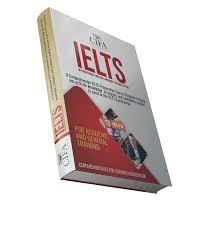
English language proficiency can open doors to higher education, international employment and new personal opportunities. For students planning to study abroad, professionals seeking international career options and individuals preparing for immigration requirements, demonstrating English proficiency can be an important step. The International English Language Testing System (IELTS) is one of the widely used tests for assessing English language ability.
Preparing for IELTS requires more than learning vocabulary or memorising answers. Candidates need to understand the exam format, practise different question types, manage their time effectively and communicate ideas clearly. A structured IELTS preparation course can help learners identify their weaknesses, improve essential language skills and approach the examination with greater confidence.
CIFA offers an online IELTS course designed to help learners develop the four core skills assessed by the test: listening, reading, writing and speaking. Through organised learning materials and practice assessments, students can work towards their individual English language goals at a manageable pace.
What Is the IELTS Examination?
The International English Language Testing System assesses how effectively a person can understand and use English. It is commonly used by universities, employers and immigration authorities, although the score and test type required depend on the organisation or application.
IELTS has two main test types: Academic and General Training. IELTS Academic is commonly used for higher education and certain professional registration purposes. IELTS General Training is often used for migration, employment or other non-academic purposes, depending on the relevant requirements.
Both test types assess listening, reading, writing and speaking, but the Reading and Writing sections differ. Before registering, candidates should confirm which version they need and check the score requirements of their chosen institution or authority.
Why Is an IELTS Preparation Course Important?
IELTS candidates may have different challenges. Some understand English well but struggle with timed reading tasks. Others can communicate comfortably but need to improve grammar, vocabulary or essay structure. A preparation programme can help learners identify these gaps and practise the skills that require attention.
Understand the Test Format
Familiarity with the exam structure helps candidates understand what each section requires. Knowing how questions are presented and how much time is available can make practice sessions more focused.
Improve English Language Skills
Regular practice develops vocabulary, comprehension, grammatical accuracy and the ability to express ideas clearly. These skills are valuable beyond the examination, including in academic study and workplace communication.
Build Confidence Through Practice
Practice assessments allow learners to become familiar with exam-style tasks. Reviewing answers helps them understand mistakes and adjust their preparation strategy before the test.
Develop Time Management
Candidates must work efficiently within the time available. Practising under timed conditions helps them learn when to move on from difficult questions and how to allocate time across tasks.
What Does the CIFA IELTS Course Cover?
The CIFA IELTS course focuses on all four language skills and provides a structured approach to exam preparation. The course page describes a beginner-level digital programme with learning chapters, video instruction, practice tests and chapter-based mock exams.
1. IELTS Listening
The Listening section assesses the ability to understand spoken English in different situations. Candidates may hear conversations, discussions or spoken information and answer questions based on what they understand.
Successful listening requires concentration and the ability to recognise key details, names, numbers, opinions and changes in meaning. Learners also need to identify paraphrasing, because questions may express information differently from the recording.
To improve listening performance, students can practise with a variety of accents, read questions before listening when permitted by the task format, and review mistakes after each exercise. Listening for the main idea as well as specific details can help build stronger comprehension.
2. IELTS Reading
The Reading section tests comprehension, information retrieval and the ability to understand written material. Depending on the test type, candidates may work with academic texts or everyday materials.
Common challenges include locating information quickly, distinguishing a writer's opinion from factual statements and interpreting unfamiliar vocabulary through context. Some question types also require careful attention to wording.
Useful preparation techniques include:
-
Skimming: Reading quickly to identify the overall topic and structure.
-
Scanning: Searching for specific names, dates, facts or keywords.
-
Recognising paraphrases: Identifying when the same idea is expressed with different words.
-
Understanding main ideas: Distinguishing central arguments from supporting details.
-
Managing time: Avoiding spending too long on a single question.
Consistent reading practice can help candidates improve both accuracy and speed.
3. IELTS Writing
Writing can be challenging because candidates must organise ideas, respond to the task and use appropriate language within a limited time.
The exact requirements depend on whether the candidate takes Academic or General Training IELTS. Preparation should therefore reflect the correct test type. Candidates need to understand the task instructions, organise their response logically and use grammar and vocabulary accurately.
For essay writing, a clear introduction, organised body paragraphs and a relevant conclusion can help make the argument easier to follow. Candidates should also support their ideas with explanations or examples rather than relying on general statements.
Writing practice should focus on clarity, task response, coherence, vocabulary and grammatical range. Memorising complete answers or relying on rigid templates can be counterproductive if the response does not address the actual question.
4. IELTS Speaking
The Speaking section assesses how effectively candidates communicate in spoken English. It evaluates factors such as fluency, coherence, vocabulary, grammar and pronunciation.
Some learners know what they want to say but struggle to organise their thoughts quickly. Others may give very short answers or rely on memorised phrases that do not sound natural.
To develop speaking skills, learners can practise describing familiar topics, explaining opinions and discussing more abstract ideas. Recording practice responses can help candidates notice repeated words, unclear pronunciation and grammatical mistakes.
The goal is not to speak with a particular accent. Candidates should focus on understandable pronunciation, relevant answers and the ability to communicate ideas clearly.
Who Should Consider the CIFA IELTS Course?
The course may be useful for several types of learners, depending on their goals and current level of English.
Students Planning to Study Abroad
Many educational institutions require evidence of English proficiency from applicants whose previous education does not meet their language requirements. Students can use IELTS preparation to become familiar with academic language tasks and strengthen their reading, writing, listening and speaking skills.
Applicants should check the exact test type and minimum score required by their chosen institution before preparing.
Professionals Exploring International Careers
Some employers and professional bodies require evidence of English proficiency for particular roles. Preparing for IELTS can help professionals develop language skills relevant to workplace communication and understand the format of the examination.
Requirements vary by employer and profession, so candidates should verify whether IELTS is needed and what score is acceptable.
Individuals Applying for Immigration
Certain immigration routes accept or require approved English language tests. The test type and minimum score can vary according to the country, visa category and application route.
Candidates should check the official requirements before booking their exam rather than assuming that every IELTS test is accepted for every purpose.
Learners Who Want to Improve Their English
IELTS preparation can also benefit people who want to strengthen their general English skills. Working on vocabulary, comprehension, writing and speaking may improve communication in everyday and professional situations.
Benefits of Studying IELTS Online with CIFA
Online learning gives students the flexibility to organise their preparation around work, education and personal commitments. CIFA's IELTS course offers a digital learning format, allowing students to work through course content at their own pace.
The course page lists learning materials for all four skills, video lessons, practice tests, chapter-based mock exams, lifetime portal access and a certificate of achievement after successfully completing and passing the exam.
Flexible Study Arrangements
Learners can create a study schedule that suits their current commitments. Short, regular sessions are often more manageable than trying to study all four skills in one long session.
Structured Practice Materials
Organised chapters can help learners work systematically through Listening, Reading, Writing and Speaking. This approach makes it easier to plan study sessions and review specific skills.
Mock Exams and Self-Assessment
Practice assessments can show which question types are causing difficulty. Students should review incorrect answers, identify the reason for each mistake and repeat similar exercises to check whether their understanding improves.
Continued Access to Learning Resources
CIFA lists lifetime portal access as a course feature. This can be useful for learners who want to revisit material while continuing their preparation.
A preparation course can support learning, but it cannot guarantee a particular band score. Results depend on the learner's starting level, preparation, practice and performance on the test.
How to Prepare for IELTS Effectively
A consistent study plan can help candidates make progress across all four skills.
Create a Realistic Study Schedule
Begin by identifying your target score and the date by which you hope to take the exam. Divide your preparation time between the four skills, giving extra attention to areas where you need the most improvement.
For example, a weekly schedule could include listening practice on one day, reading exercises on another, writing tasks later in the week and speaking practice throughout the week. A full practice test can help you review progress periodically.
Practise Under Timed Conditions
Time management is an important part of IELTS preparation. Complete practice tasks within the relevant time limits so you can learn to maintain accuracy while working efficiently.
After each exercise, review both correct and incorrect answers. Understanding why an answer is right or wrong is more useful than simply recording a score.
Build Vocabulary in Context
Learning isolated word lists may not be enough. Record new vocabulary alongside example sentences, common word combinations and notes about usage. Try to use new words in your own writing and speaking.
Improve Writing Through Revision
Write regularly and review your work for relevance, organisation, grammar and clarity. Check whether each paragraph supports the main purpose of the response. When possible, seek feedback from a qualified teacher or experienced English-language tutor.
Practise Speaking Regularly
Choose familiar topics and speak about them for a set period. Practise explaining opinions, describing experiences and giving reasons for your views. Recording yourself can help identify areas for improvement.
Career and Education Opportunities After IELTS
IELTS preparation can support goals such as applying to universities, exploring international employment and meeting certain language requirements for migration or professional registration.
However, IELTS is an English proficiency test rather than a professional qualification. It does not itself guarantee admission, employment, immigration approval or registration. Each institution or authority sets its own requirements, and applicants may need additional academic qualifications, work experience or documentation.
By improving English communication and becoming familiar with the examination, learners can prepare more effectively for the language component of their wider plans.
Frequently Asked Questions
What is an IELTS preparation course?
An IELTS preparation course helps learners practise the Listening, Reading, Writing and Speaking skills assessed by the IELTS examination. It may include lessons, practice questions, mock tests and test-taking strategies.
Is the CIFA IELTS course suitable for beginners?
CIFA lists its IELTS course as beginner level. Learners should consider their current English ability and target score when deciding how much additional practice they may need.
What are the four sections of IELTS?
The four sections are Listening, Reading, Writing and Speaking. Academic and General Training IELTS have different Reading and Writing tasks.
Can an IELTS course guarantee my target band score?
No course can guarantee a specific score. Results depend on current language proficiency, the quality and consistency of preparation, and performance on the exam.
Does the CIFA IELTS course include mock exams?
CIFA lists chapter-based mock exams among the course features, along with video lessons and practice materials.
How should I choose between IELTS Academic and General Training?
The correct test depends on your purpose. Academic is commonly used for higher education and some professional registration applications, while General Training is often used for migration and certain work or training purposes. Always confirm the accepted test type with the institution or authority requesting your results.
Conclusion
Preparing for IELTS is an opportunity to strengthen English language skills while becoming familiar with an internationally used proficiency test. Success requires regular practice, careful review, clear communication and a realistic understanding of the test requirements.
The IELTS preparation course from CIFA provides structured digital learning across Listening, Reading, Writing and Speaking. For students, professionals and other learners working towards an English language goal, it can serve as a starting point for organised preparation. Before booking the exam, confirm your required test type, target score and any relevant deadlines with the organisation receiving your results.

 English
 French
 Spanish
 Portuguese
 Deutsch
 Turkish
 Dutch
 Italiano
 Russian
 Romaian
 Portuguese (Brazil)
 Greek
