


Materials, Technology, and Design in Plastic Bucket Manufacturing
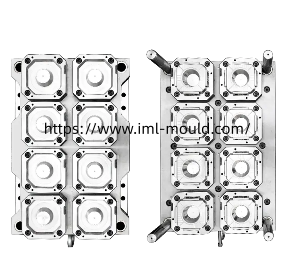
Plastic buckets serve many purposes, from carrying cleaning supplies and storing household items to handling materials in workshops, farms, and construction environments. Their everyday appearance can make the manufacturing process seem straightforward, but the finished product must balance capacity, stability, handling comfort, and resistance to regular use. Developing a Plastic Bucket Mould requires careful coordination between product geometry, resin behavior, handle structure, and production requirements. Each design decision influences how the bucket is formed and how well it performs after leaving the factory.
Material selection begins with understanding the demands placed on the mould during production. Tool steel is commonly used for mould bases, cores, and cavity components because it can provide structural stability and support repeated processing. Different grades offer varying characteristics in machinability, wear resistance, polishing, and maintenance. The choice should reflect the mould's construction and the expected production environment. The plastic resin also deserves attention. Polypropylene and polyethylene are commonly considered for bucket products because of their processing characteristics and practical applications. Their flow behavior, shrinkage, and cooling response influence the mould design. The compatibility of the selected resin with the intended use should be reviewed before the mould structure is finalized.
Product application should guide the purchasing process. A household cleaning bucket may prioritize easy carrying and convenient storage, while a bucket intended for construction or workshop use may require a different balance of wall structure, base stability, and handle support. Buyers should clarify what the bucket will contain, how it will be transported, and whether it will be stacked or nested when empty. They should also consider whether the product needs a lid, pouring feature, measuring marks, or branding details. Sharing drawings, reference samples, and intended-use information with the mould supplier can help translate these requirements into a practical design. This early communication also reduces the risk of discovering important structural issues after tooling has begun.
Bucket geometry presents several challenges for mould engineering. The body often includes tapered walls to support stacking and removal from the mould, while the base needs a shape that contributes to stability. Wall thickness should be considered in relation to the bucket's intended use and material flow. Uneven sections can cool differently and may contribute to distortion or surface defects. The rim also requires attention because it can influence rigidity, handling, and compatibility with a lid. Where a handle is included, its attachment points must be coordinated with the bucket body so that the finished product can be assembled and used as intended. These features need to be considered as one connected structure rather than designed independently.
The mould's operating systems influence production consistency. During injection moulding, molten plastic enters the cavity and fills the bucket's shape. The runner and gate arrangement should support suitable material distribution, while venting allows displaced air to escape. Cooling channels help manage heat throughout the mould, which is particularly important when forming a product with a broad body and base. The ejection system must release the bucket without causing unnecessary deformation or damage to the rim and sidewalls. Depending on the product design, the mould may also need to accommodate handle-related features or additional components. Trial moulding allows the manufacturer to examine filling, cooling, release, and product appearance before regular production.
The finished bucket's user experience depends on details that are easy to overlook during initial design. A comfortable handle grip can make carrying more convenient, while the position of the handle attachments affects balance when the bucket contains materials. A smooth rim can improve handling, and a carefully shaped base can help the product sit securely on a suitable surface. The interior should also be practical to clean, especially when the bucket is used for household or maintenance tasks. For storage and distribution, stackability is valuable because it can help reduce the space required for empty products. These functional details should be assessed through samples and practical handling rather than judged only from drawings.
Visual design contributes to product identity and market appeal. A bucket with a clean profile and balanced proportions can suit household retail, while a more substantial appearance may be appropriate for industrial or agricultural applications. Color selection can help distinguish product ranges or communicate different uses. Surface texture, molded logos, decorative panels, and label areas can also influence the finished appearance. However, these details should not interfere with grip, cleaning, stacking, or structural performance. The mould designer must consider how decorative elements interact with the cavity and how consistently they can be reproduced during production.
Ningbo Hengqi Precision Mould Co., Ltd. provides mould development and manufacturing services for businesses producing plastic products. Companies planning bucket mould projects can discuss product applications, resin preferences, handle arrangements, stacking requirements, surface finishes, and production workflows with the company. Providing clear product information during the design stage helps align the mould structure with the intended use and manufacturing process. Further information about the company's mould solutions and services is available at https://www.iml-mould.com/.

 English
 Arabic
 French
 Spanish
 Portuguese
 Deutsch
 Turkish
 Dutch
 Italiano
 Romaian
 Portuguese (Brazil)
 Greek
