


How Are Fresh Air Fan Systems Used in Real Projects
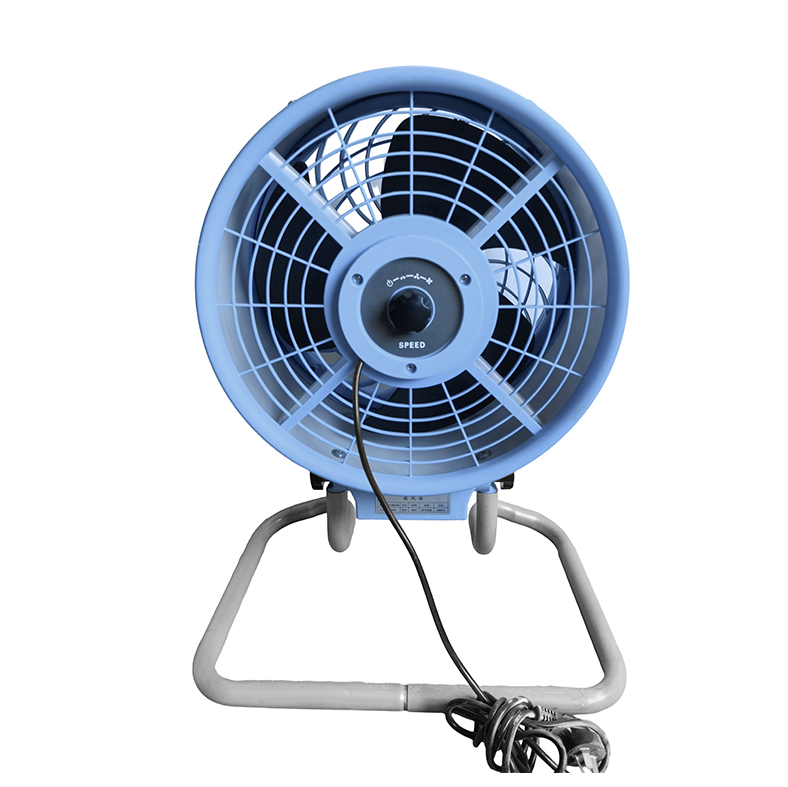
Real-world applications provide valuable insight into how Fresh Air Fan systems and solutions from a Water Mist Fan Factory function under practical conditions. By examining actual use cases and emerging industry trends, it becomes easier to understand how these technologies evolve to meet changing demands.
In commercial buildings, Fresh Air Fan systems are commonly used to maintain indoor air quality. Offices, retail spaces, and public facilities rely on continuous airflow to support occupant comfort. In many cases, these systems are integrated into centralized ventilation networks, ensuring consistent air distribution across multiple zones.
A typical example can be found in a mid-sized office building where indoor air quality became a concern due to limited natural ventilation. Installing a Fresh Air Fan system improved airflow circulation, helping reduce the buildup of indoor pollutants. Over time, occupants reported a more comfortable environment, particularly during periods when windows remained closed.
In industrial settings, the role of ventilation becomes even more critical. Manufacturing processes often generate heat, dust, or fumes, requiring effective air exchange. Fresh air systems help remove these elements while maintaining a stable indoor environment. However, ventilation alone may not address temperature challenges, especially in high-heat environments.
This is where solutions from a Water Mist Fan Factory are often introduced. In a logistics warehouse, for instance, mist cooling systems were installed in loading areas where temperatures tended to rise during peak operation. The fine mist provided localized cooling, improving working conditions without interfering with overall ventilation.
Agricultural applications also demonstrate the combined use of these technologies. In livestock facilities, maintaining both air quality and temperature is essential. Fresh air systems ensure proper ventilation, while mist systems help regulate temperature during warmer periods. This dual approach supports animal welfare and operational efficiency.
From an industry perspective, several trends are shaping the development of these systems. One notable direction is the integration of smart control technologies. Sensors and automated systems allow real-time monitoring of environmental conditions, enabling dynamic adjustments to airflow and cooling intensity.
Energy efficiency continues to be a focus. Manufacturers are exploring ways to reduce power consumption through improved motor design, optimized airflow paths, and more efficient pump systems. These developments align with broader efforts to reduce operational costs and environmental impact.
Another trend involves the use of environmentally conscious materials. Both Fresh Air Fan and mist system components are increasingly designed with recyclability and durability in mind. This approach reflects a growing awareness of sustainability across various industries.
Performance comparison in real projects often highlights the importance of system integration. Rather than relying on a single solution, combining ventilation and cooling technologies provides a more balanced approach. Fresh air systems maintain air quality, while mist systems address temperature fluctuations, creating a more stable environment overall.
Maintenance practices also evolve alongside technology. Predictive maintenance, supported by monitoring systems, allows users to identify potential issues before they affect performance. This reduces downtime and extends equipment lifespan.
Choosing a reliable Water Mist Fan Factory or ventilation equipment supplier remains a key step in project planning. Factors such as technical support, product consistency, and customization capabilities influence long-term satisfaction.
Application scenarios continue to expand as industries adapt to new challenges. Outdoor commercial spaces, such as dining areas and event venues, increasingly adopt mist cooling systems to enhance comfort. At the same time, residential users show growing interest in Fresh Air Fan systems for improving indoor air quality.
These developments suggest a shift toward more integrated and adaptable environmental control strategies. By combining practical experience with ongoing innovation, Fresh Air Fan systems and mist cooling solutions are becoming more versatile tools in managing both air quality and temperature across a wide range of applications.

 English
 Arabic
 Spanish
 Portuguese
 Deutsch
 Turkish
 Dutch
 Italiano
 Russian
 Romaian
 Portuguese (Brazil)
 Greek
