


Discover the Beauty of Emirati Heritage Through Art, Architecture, and Traditions
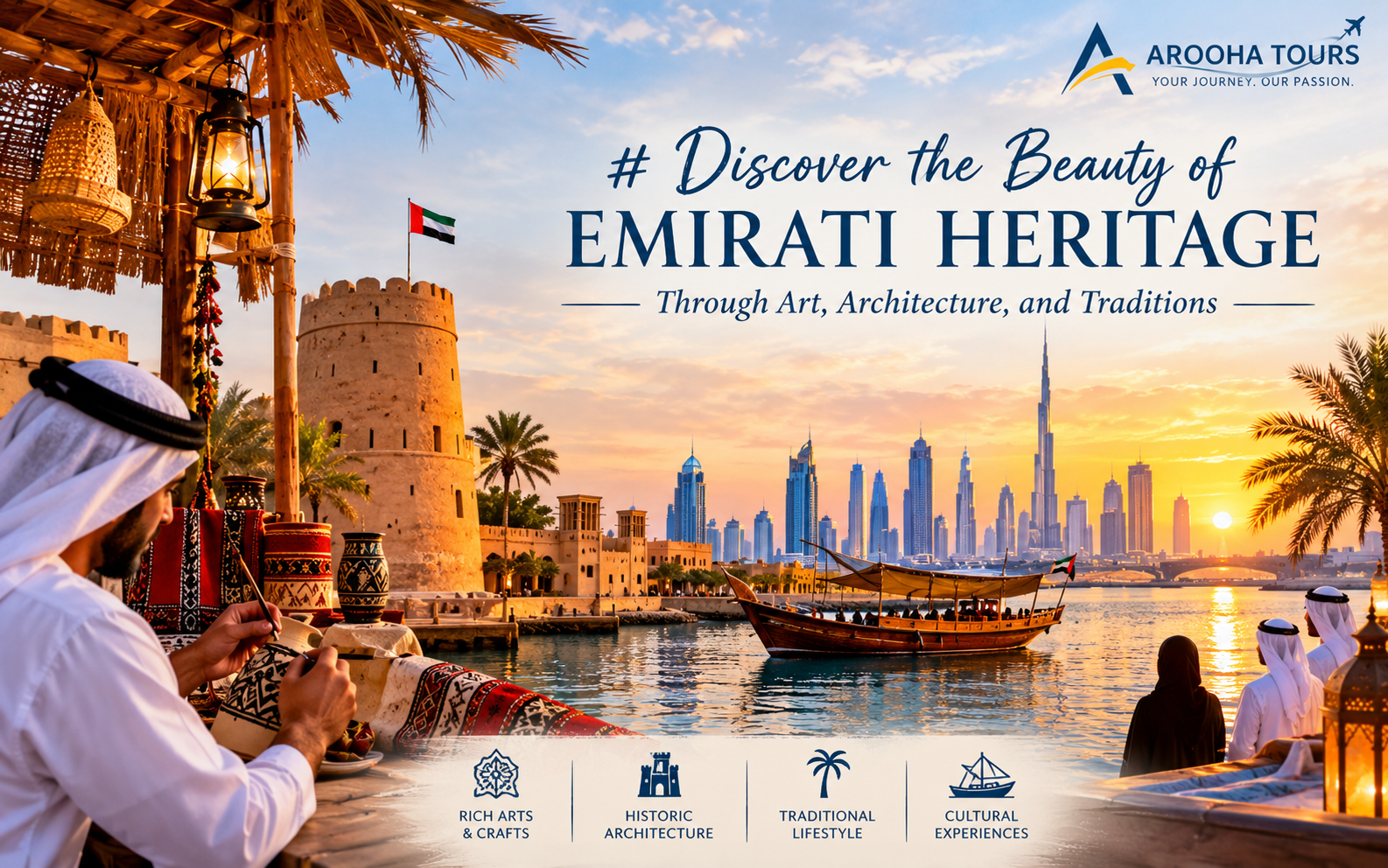
Dubai is widely known for its luxurious lifestyle, impressive skyscrapers, and world-class attractions. However, beyond its modern skyline lies a fascinating cultural heritage shaped by centuries of traditions, artistic expression, and Arabian hospitality. A Dubai Art and Culture Tour offers visitors an opportunity to explore the city's authentic identity through traditional architecture, local crafts, historical neighbourhoods, and cultural experiences. Whether you are a UAE resident or an international traveller, discovering Emirati heritage allows you to experience a different and more meaningful side of Dubai.
From beautifully designed mosques and historic buildings to traditional markets and Emirati art, every cultural attraction tells a story about the country's journey from its Bedouin roots to its modern achievements. Let's explore the beauty of Emirati heritage through its art, architecture, and traditions.
1. Explore the Historical Charm of Al Fahidi Historical Neighbourhood
One of the best places to begin your cultural journey is Al Fahidi Historical Neighbourhood, one of Dubai's most treasured heritage destinations. Located near Dubai Creek, this historic area showcases traditional Emirati architecture and the lifestyle of earlier generations.
Walking through its narrow lanes, visitors can admire traditional houses, wind towers, wooden doors, and beautifully restored courtyards. These architectural features were designed to provide natural ventilation and comfort in the region's hot climate.
The neighbourhood also features art galleries, cultural spaces, museums, and traditional cafés. It provides an excellent opportunity to understand how people lived, worked, and interacted before Dubai became a global city.
Why visit?
-
Discover traditional Emirati residential architecture.
-
Explore art galleries and heritage museums.
-
Learn about Dubai's history and cultural development.
-
Enjoy peaceful walks through historic streets.
2. Discover the Artistic Heritage of Emirati Culture
Art plays an important role in preserving and expressing the identity of the UAE. Emirati artistic traditions reflect the country's history, environment, values, and connection with nature.
Traditional crafts such as weaving, pottery, embroidery, and calligraphy have been passed down through generations. These art forms represent creativity, patience, and the cultural knowledge of local communities.
Visitors can explore local galleries, cultural centres, and exhibitions to discover both traditional and contemporary Emirati artwork.
Some popular artistic traditions include:
-
Sadu weaving: A traditional textile craft featuring geometric patterns and vibrant colours.
-
Arabic calligraphy: An elegant art form that expresses the beauty of Arabic writing.
-
Pottery: Handmade clay objects reflecting traditional craftsmanship.
-
Traditional jewellery: Silver ornaments and accessories inspired by Emirati heritage.
Exploring these art forms helps visitors appreciate the creativity and cultural values that continue to shape the UAE.
3. Admire the Beauty of Traditional Emirati Architecture
Emirati architecture is a beautiful combination of practicality, creativity, and cultural identity. Before modern buildings transformed Dubai's skyline, traditional homes were designed to suit the desert environment.
One of the most distinctive architectural features is the wind tower, locally known as Barjeel. These structures were traditionally used to direct cool air into homes, providing natural ventilation before modern air-conditioning systems existed.
Other important architectural elements include:
-
Courtyards that offered privacy and family gathering spaces.
-
Wooden doors decorated with traditional patterns.
-
Coral stone and gypsum construction.
-
Decorative arches and geometric designs.
-
Shaded walkways designed for protection from the sun.
These architectural details reveal how earlier generations adapted their homes to the local climate while maintaining beauty and functionality.
4. Experience Traditional Emirati Hospitality and Customs
Hospitality is one of the most respected values in Emirati society. Visitors to the UAE often experience this warmth through traditional greetings, Arabic coffee, dates, and welcoming social customs.
One of the most meaningful traditions is serving Gahwa, traditional Arabic coffee. It is commonly prepared with cardamom and other spices and served in small cups known as Finjan.
Dates are also an important part of Emirati hospitality and are traditionally offered alongside coffee.
Other cultural customs visitors may discover include:
-
Majlis gatherings: Traditional spaces where families and communities welcome guests and discuss important matters.
-
Traditional greetings: Respectful greetings that reflect kindness and hospitality.
-
Emirati cuisine: Authentic dishes such as Harees, Machboos, and Luqaimat.
-
Traditional clothing: The Kandura worn by Emirati men and the Abaya traditionally worn by Emirati women.
Understanding these customs provides a deeper appreciation of the values and traditions that make Emirati culture special.
5. Visit Dubai Museum and Heritage Attractions
Museums and heritage attractions offer valuable insights into the history of Dubai and the development of Emirati society.
The Al Fahidi Fort area is historically significant and is associated with Dubai Museum, which has traditionally introduced visitors to the city's transformation from a small trading and fishing settlement into a modern international destination.
Visitors can also explore heritage displays, traditional objects, historical photographs, and exhibitions that highlight the UAE's cultural development.
Other places worth exploring include:
-
Sheikh Mohammed bin Rashid Al Maktoum Centre for Cultural Understanding: A place where visitors can learn about Emirati customs, traditions, and local life.
-
Etihad Museum: Dedicated to the formation of the United Arab Emirates and its founding history.
-
Dubai Creek: A historic waterway that played an important role in Dubai's trading and pearling industries.
These destinations help travellers understand the historical foundations behind modern Dubai.
6. Explore the Traditional Markets and Souks of Dubai
Traditional markets are an essential part of Dubai's cultural identity. They offer a glimpse into the city's historical trading culture while allowing visitors to experience local shopping traditions.
The Gold Souk is famous for its impressive jewellery collections, while the Spice Souk offers aromatic spices, herbs, dried fruits, and traditional ingredients.
The Textile Souk is another interesting destination where visitors can discover colourful fabrics, traditional clothing materials, and beautiful embroidered textiles.
Popular traditional markets include:
-
Gold Souk: Famous for gold jewellery and traditional designs.
-
Spice Souk: Known for spices, herbs, and aromatic products.
-
Textile Souk: Offers fabrics, scarves, and traditional materials.
-
Perfume Souk: Features traditional Arabian fragrances and oud.
Exploring these markets is an enjoyable way to discover Dubai's trading heritage and interact with its diverse local business community.
7. Discover the Cultural Importance of Dubai Creek
Dubai Creek has played a major role in shaping the city's history. Before the development of modern infrastructure, it served as an important centre for fishing, pearling, and international trade.
Traditional wooden boats known as abras continue to operate across the creek, connecting different parts of the city.
A traditional abra ride allows visitors to enjoy views of historic buildings, waterfront markets, and the changing city skyline.
The surrounding areas also provide opportunities to explore traditional restaurants, heritage streets, and local trading communities.
For travellers interested in understanding Dubai beyond its modern attractions, Dubai Creek offers a memorable connection to the city's past.
8. Experience Emirati Cuisine and Traditional Food
Food is an important expression of cultural identity, and Emirati cuisine reflects the UAE's history, geography, and traditional lifestyle.
Influenced by regional ingredients and historic trading connections, Emirati dishes combine rice, meat, seafood, spices, and dates to create distinctive flavours.
Some traditional dishes worth trying include:
-
Al Machboos: A popular rice dish prepared with meat or seafood and aromatic spices.
-
Harees: A traditional dish made with wheat and meat, commonly enjoyed during special occasions.
-
Luqaimat: Sweet, golden dumplings traditionally served with date syrup.
-
Balaleet: A traditional breakfast dish combining sweet vermicelli and eggs.
-
Thareed: A traditional stew served with thin pieces of bread.
Trying local food allows visitors to experience Emirati culture through its flavours, ingredients, and family traditions.
9. Why Cultural Tourism Is Important in Dubai
Cultural tourism plays an important role in preserving the UAE's identity while introducing international visitors to its history and traditions.
Although Dubai is recognised globally for its luxury attractions and modern architecture, its cultural heritage remains an important part of its character.
Cultural tourism helps:
-
Preserve traditional crafts and artistic practices.
-
Support local heritage attractions and cultural institutions.
-
Promote understanding between different communities.
-
Educate younger generations about Emirati history.
-
Encourage responsible tourism and cultural appreciation.
For visitors, these experiences create a stronger connection with the destination and provide memories beyond ordinary sightseeing.
10. Best Emirati Cultural Experiences in Dubai for Every Traveller
Dubai offers several opportunities for travellers to connect with Emirati heritage, whether they are visiting for a short holiday or living in the UAE.
Some memorable experiences include:
Explore heritage neighbourhoods: Walk through Al Fahidi and discover traditional houses, historic streets, and cultural galleries.
Enjoy traditional Emirati food: Taste authentic dishes and learn about the ingredients and customs behind local cuisine.
Experience Arabic coffee traditions: Discover the cultural importance of Gahwa and traditional Emirati hospitality.
Visit cultural museums: Learn about the history, traditions, and achievements of the UAE.
Discover traditional crafts: Explore weaving, pottery, calligraphy, and other forms of Emirati craftsmanship.
Take an abra ride: Experience the historical importance of Dubai Creek and its traditional waterways.
These are among the best Emirati cultural experiences in Dubai for visitors who want to understand the destination's authentic identity while enjoying a memorable cultural journey.
11. Tips for Planning Your Emirati Cultural Tour
Planning ahead can help you enjoy a more comfortable and rewarding cultural experience in Dubai.
Here are some useful tips:
-
Dress respectfully: Choose modest clothing when visiting religious and traditional cultural locations.
-
Check attraction timings: Museum and cultural centre opening hours may vary, especially during public holidays and Ramadan.
-
Respect local customs: Learn basic cultural etiquette before visiting traditional communities.
-
Carry water: Dubai's weather can be hot, particularly during the summer months.
-
Ask before taking photographs: Always respect people's privacy, especially when photographing local residents.
-
Explore with a knowledgeable guide: A local guide can provide historical context and explain the significance of traditional customs and architecture.
Following these simple suggestions can make your cultural journey more comfortable, informative, and enjoyable.
Conclusion: Discover the Authentic Spirit of Dubai Through Its Heritage
Dubai is much more than a destination for luxury shopping, modern attractions, and impressive skyscrapers. Its true beauty also lies in its traditional architecture, artistic heritage, warm hospitality, historic neighbourhoods, and cultural traditions.
From exploring Al Fahidi Historical Neighbourhood and discovering traditional Emirati crafts to enjoying Arabic coffee and experiencing the history of Dubai Creek, every activity offers a meaningful connection to the UAE's past.
Whether you are a tourist, a couple, a family, or a UAE resident, exploring the best Emirati cultural experiences in Dubai can make your visit more memorable and enriching.
To make your cultural journey easier and more enjoyable, choose Arooha Tours, a trusted travel agency based in Dubai. With opportunities to explore the city's heritage, attractions, and unique cultural experiences, Arooha Tours helps travellers discover another beautiful side of the UAE. Plan your next cultural adventure and experience the traditions, stories, and artistic beauty that make Dubai truly special.

 English
 Arabic
 French
 Spanish
 Portuguese
 Deutsch
 Turkish
 Dutch
 Italiano
 Russian
 Romaian
 Greek
