


Industrial Floor Cleaning Equipment: A Complete Guide to Cleaner, Safer, and More Efficient Facilities
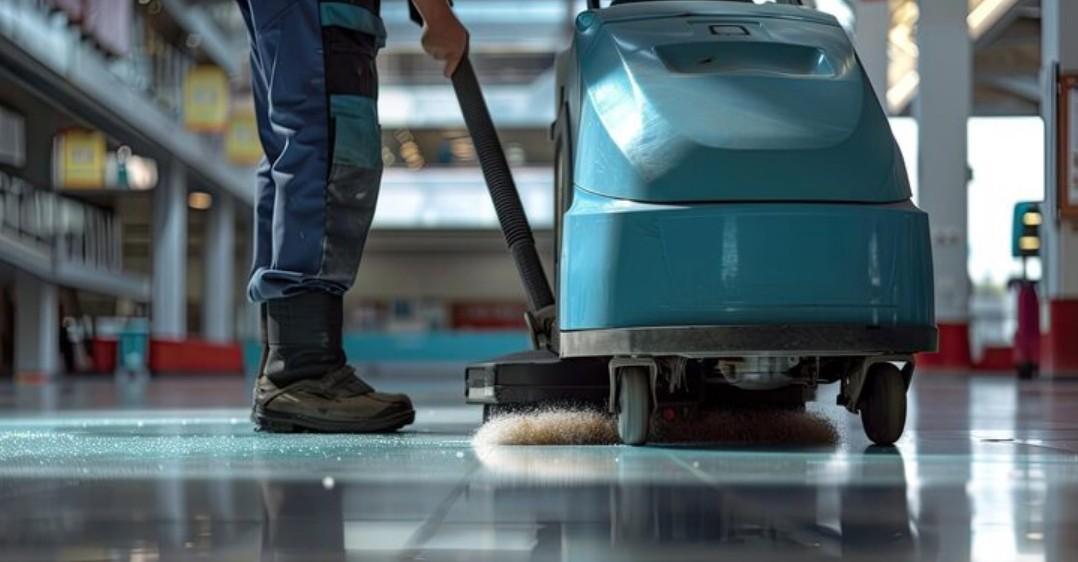
Maintaining clean industrial floors is essential for creating a safe, organized, and productive workplace. Warehouses, manufacturing plants, distribution centers, and commercial facilities experience constant foot traffic, heavy equipment movement, dust accumulation, and occasional spills.
Without proper cleaning, these conditions can affect workplace safety, damage flooring, and reduce operational efficiency. Traditional cleaning methods may work for small areas, but larger facilities require more effective solutions.
Industrial floor cleaning equipment helps businesses remove dirt, grease, debris, and stubborn stains while reducing manual effort and maintaining consistent cleaning standards. Understanding the different types of machines and their applications allows facility managers to choose suitable equipment for their operational needs.
Why Industrial Floor Cleaning Equipment Matters
Clean floors contribute to workplace safety, operational efficiency, and the overall appearance of an industrial facility. Dust, oil, and liquid spills can create slipping hazards, while accumulated debris may interfere with equipment movement and routine operations.
Using professional cleaning machines makes it easier to maintain large floor areas without relying entirely on manual labor. Automated cleaning processes can improve consistency, reduce cleaning time, and help employees focus on other important responsibilities.
Regular floor maintenance can also protect flooring materials from premature wear. When dirt and abrasive particles accumulate over time, they may scratch surfaces or contribute to deterioration. Proper cleaning helps preserve concrete, tile, epoxy, and other industrial flooring systems.
Types of Industrial Floor Cleaning Equipment
Different facilities require different cleaning methods. Selecting the right machine depends on the floor surface, the type of contamination, the available space, and the frequency of cleaning.
Industrial Floor Scrubbers
Industrial floor scrubbers are designed to remove embedded dirt, grease, and residue from hard surfaces. They apply cleaning solution, scrub the floor with brushes or pads, and collect dirty water through a recovery system.
Walk behind scrubbers are suitable for smaller facilities, narrow aisles, and areas with numerous obstacles. Ride on scrubbers are generally more appropriate for large warehouses, manufacturing plants, and distribution centers where covering extensive floor areas quickly is a priority.
These machines help deliver consistent cleaning results while reducing the physical demands associated with traditional mopping.
Industrial Floor Sweepers
Floor sweepers remove dust, packaging debris, loose dirt, and other dry materials before they accumulate. They are particularly useful in warehouses, loading docks, production areas, and facilities with frequent forklift traffic.
Some models are designed for compact spaces, while larger ride on machines can cover substantial floor areas efficiently. Collecting dry debris before scrubbing also helps prevent particles from spreading or interfering with the cleaning process.
Industrial Floor Buffers
Floor buffers help maintain and restore the appearance of suitable hard floor surfaces. Depending on the machine and attachments, they can polish floors, remove surface scuffs, and support routine floor finishing.
These machines are useful in facilities where floor appearance matters alongside cleanliness, including showrooms, commercial buildings, and selected industrial environments. Choosing the correct pad and operating speed is important to prevent unnecessary surface damage.
Industrial Vacuums
Industrial vacuums collect dust, fine particles, and debris from floors and other surfaces. Depending on their design, certain models can also handle liquid spills.
They are especially valuable in manufacturing environments where dust control is important and in areas that require detailed cleaning around machinery, workstations, or storage racks. Appropriate filtration should be selected according to the material being collected and the facility's safety requirements.
How to Choose Right Cleaning Equipment
Purchasing industrial floor cleaning equipment requires more than comparing machine prices. Businesses should consider how well each option fits their daily operations.
First, evaluate the floor material. Concrete, sealed surfaces, tile, and coated floors may require different brushes, pads, and cleaning solutions. Using unsuitable attachments can damage finishes or produce poor results.
Next, consider the total floor area and layout. Compact equipment is often easier to maneuver through narrow aisles, while larger machines can improve productivity in open spaces. Battery life, tank capacity, cleaning width, and maneuverability should also match the facility's requirements.
The type of dirt matters just as much. Fine dust may require effective vacuum filtration, while oily residue could call for a suitable scrubber and compatible cleaning detergent.
Finally, consider the total cost of ownership. Maintenance expenses, replacement parts, energy consumption, operator training, and expected equipment lifespan all influence long term value. A reliable machine that meets operational needs can be more economical than a cheaper option that requires frequent repairs or delivers inconsistent results.
Best Practices for Maintaining Industrial Floors
A well planned cleaning routine helps businesses get better results from their equipment. Establishing a schedule based on traffic levels and contamination risks prevents dirt from building up excessively.
Operators should receive appropriate training before using industrial cleaning machines. They need to understand operating controls, chemical handling, safety procedures, and the correct cleaning method for each surface.
After every use, empty and clean recovery tanks, inspect brushes and pads, and check squeegees for wear. Filters should be cleaned or replaced according to manufacturer recommendations. Regular inspections can identify minor problems before they lead to expensive downtime.
Cleaning should also be coordinated with facility operations. Whenever possible, schedule work during quieter periods and clearly mark wet areas to reduce slip risks.
Conclusion
Industrial floor cleaning equipment plays an important role in maintaining safer, cleaner, and more efficient workplaces. From scrubbers and sweepers to buffers and industrial vacuums, each machine serves a specific purpose in an effective floor maintenance program.
By evaluating floor conditions, facility size, cleaning requirements, and long term operating costs, businesses can make informed purchasing decisions. Combining suitable equipment with regular maintenance and trained operators helps protect flooring, improve cleaning consistency, and support productive daily operations.
Frequently Asked Questions
1. What is industrial floor cleaning equipment?
Industrial floor cleaning equipment includes specialized machines used to remove dust, debris, grease, stains, and other contaminants from floors in warehouses, factories, distribution centers, and commercial facilities.
2. Which industrial floor cleaning machine is best for warehouses?
Automatic floor scrubbers are useful for removing dirt and residue from large hard floor areas, while industrial sweepers are effective for collecting dry debris. The best option depends on warehouse size, floor conditions, aisle width, and cleaning requirements.
3. How often should industrial floors be cleaned?
Cleaning frequency depends on foot traffic, production activities, contamination levels, and workplace safety requirements. Busy facilities may need daily cleaning, while some areas require additional attention throughout each shift.
4. How can businesses extend the life of floor cleaning equipment?
Regularly inspect machine components, clean tanks after use, maintain filters, replace worn brushes and squeegees, and follow recommended servicing schedules. Proper operator training and using suitable cleaning solutions also help reduce wear and prevent avoidable damage.

 English
 Arabic
 French
 Spanish
 Portuguese
 Deutsch
 Turkish
 Dutch
 Italiano
 Russian
 Romaian
 Portuguese (Brazil)
