


How to Build a Wardrobe Around Multi-Purpose Clothing
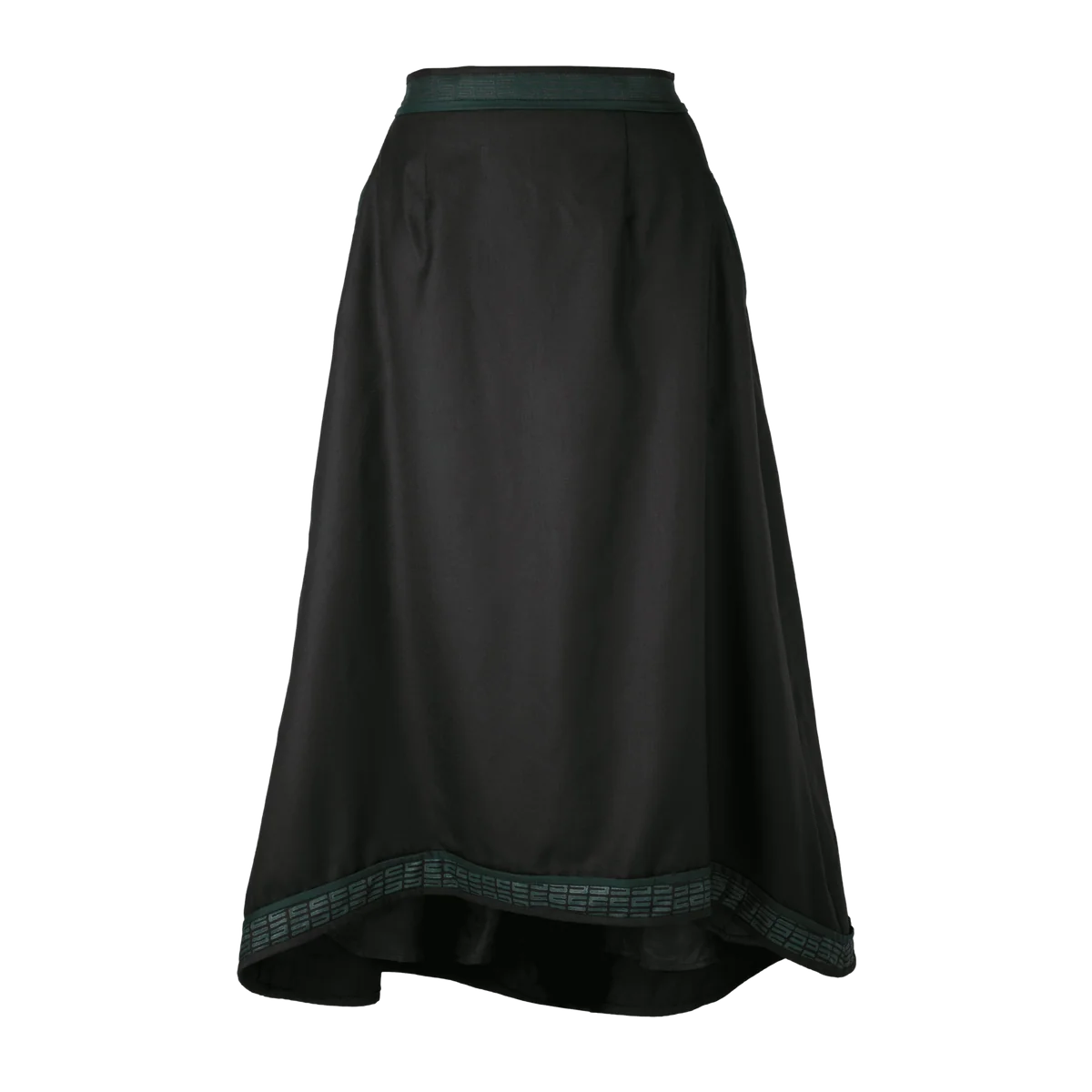
Building a functional wardrobe does not require purchasing a large number of clothes or constantly following changing fashion trends. Instead, it involves selecting clothing pieces that can be styled in different ways and worn for multiple occasions. Multi-purpose clothing makes everyday dressing more convenient by offering flexibility, reducing unnecessary purchases, and helping you create more outfits with fewer items.
A well-organized wardrobe should reflect your lifestyle, personal preferences, and everyday requirements. Whether you need outfits for professional activities, casual outings, social gatherings, or special occasions, choosing adaptable clothing can make styling much easier. By focusing on versatile designs, complementary colors, comfortable fabrics, and practical combinations, you can create a wardrobe that balances fashion with functionality.
Brands like Siddiqi World highlight the importance of clothing that combines contemporary style with practical everyday wear. Understanding how to build your wardrobe around multi-purpose pieces can help you make more thoughtful fashion decisions.
1. Identify Your Everyday Clothing Needs
The first step in building a wardrobe around multi-purpose clothing is understanding how you spend your time. Your clothing collection should support your daily activities rather than simply reflect popular fashion trends.
Consider the different situations for which you regularly need outfits. You may require comfortable clothing for everyday activities, professional combinations for work, and more sophisticated pieces for social events.
Once you understand these requirements, identify the clothing categories you use most frequently. These might include skirts, trousers, shirts, basic tops, jackets, and comfortable footwear.
Prioritizing your actual needs helps you avoid purchasing items that look attractive but rarely become part of your regular outfits.
2. Start With Versatile Wardrobe Essentials
Wardrobe essentials provide the foundation for creating multiple outfits. These are clothing pieces with adaptable designs that can easily complement other items.
Some useful essentials include:
-
Neutral-colored shirts and basic T-shirts.
-
Well-fitted trousers and versatile skirts.
-
Comfortable everyday tops.
-
Classic blazers and lightweight jackets.
-
Simple dresses suitable for different styling approaches.
-
Comfortable footwear for casual and formal occasions.
The purpose of these essentials is to provide several styling possibilities. For example, a single skirt can be paired with a basic T-shirt for a relaxed appearance or a formal blouse for a more polished outfit.
Choose designs that suit your lifestyle and can remain useful beyond a single fashion season.
3. Choose a Coordinated Color Palette
Color coordination is an important part of creating a wardrobe that is easy to style. When most of your clothing pieces complement each other, creating different outfits becomes much simpler.
Start with neutral shades such as black, white, beige, grey, navy, and cream. These colors are generally easy to combine and provide a reliable foundation for everyday outfits.
You can then introduce a few additional colors that reflect your personal preferences. For example, pastel shades can create a soft appearance, while deeper colors can add sophistication.
A coordinated color palette does not mean wearing the same shades every day. Instead, it helps ensure that your clothing pieces work together without requiring extensive planning.
4. Invest in Clothing That Supports Multiple Styling Options
When purchasing new clothing, consider how many different ways you can wear each item. A multi-purpose garment should be suitable for more than one outfit combination.
For example, a versatile skirt can be styled with fitted tops, oversized shirts, formal blouses, sweaters, and structured jackets. Changing the accompanying pieces can completely transform its appearance.
Similarly, a classic blazer can complement trousers, skirts, and dresses. A neutral shirt can work independently or as a layering piece.
Before purchasing an item, consider whether it can be combined with at least three pieces already in your wardrobe. This simple approach encourages practical shopping decisions.
5. Focus on Comfortable and Durable Fabrics
A functional wardrobe should offer more than attractive designs. Fabric quality and comfort also influence how frequently you wear individual clothing pieces.
Choose fabrics that suit your climate, daily activities, and personal preferences. Cotton and breathable blends can be useful for everyday outfits, while structured fabrics may provide a more polished appearance.
Pay attention to stitching, finishing, fabric weight, and care instructions when evaluating clothing quality.
Well-maintained garments can remain part of your wardrobe for longer, making them more useful over time. Always follow the recommended washing and storage instructions to preserve their appearance and construction.
6. Build Outfits Through Layering
Layering is an effective technique for increasing the styling possibilities of multi-purpose clothing. It allows you to create different appearances by adding or removing individual pieces.
For example, you can wear a skirt with a simple top during warmer weather. When temperatures decrease, add a cardigan, blazer, or lightweight jacket.
A button-down shirt can also be worn independently, layered over a fitted top, or styled underneath a sweater.
Experimenting with different lengths, textures, and proportions can make familiar clothing combinations feel new. Layering also helps you adapt outfits to changing weather conditions and different occasions.
7. Select Accessories That Complement Multiple Outfits
Accessories can significantly expand the styling possibilities of a functional wardrobe. You do not need a large accessory collection to create different fashion statements.
A few carefully selected pieces can work with several outfits. Consider including:
-
A neutral handbag for everyday activities.
-
A simple belt to define the waistline.
-
Minimal jewelry for understated styling.
-
Statement earrings for more noticeable outfits.
-
Scarves that introduce color and texture.
-
Footwear suitable for different occasions.
For instance, the same skirt and blouse combination can look casual with flat sandals and more sophisticated with heels and elegant jewelry.
Choosing accessories that complement several clothing pieces helps maintain variety without overcrowding your wardrobe.
8. Create Separate Outfit Combinations for Different Occasions
A multi-purpose wardrobe should make it easier to dress appropriately for different situations. Instead of keeping completely separate clothing collections, identify ways to adapt existing pieces.
For casual outings, combine comfortable tops with skirts or trousers and sneakers. For professional environments, introduce tailored blazers, structured shirts, and polished footwear.
For social gatherings, you can use the same foundation pieces with more refined accessories, elegant tops, and appropriate footwear.
Planning these combinations in advance makes everyday styling easier and ensures that your wardrobe supports your regular activities.
9. Avoid Unnecessary and Impulsive Purchases
Building a functional wardrobe requires a thoughtful approach to shopping. Purchasing every attractive item you see can create unnecessary clutter and make outfit planning more difficult.
Before buying something new, evaluate whether it fills a genuine gap in your collection. Consider its fit, fabric, color, quality, and compatibility with your existing clothing.
You should also think about how frequently you are likely to wear it. An item that works for several occasions may provide more long-term value than a garment designed for one specific event.
Shopping intentionally helps you focus on clothing that supports your personal style and everyday needs.
10. Organize and Review Your Wardrobe Regularly
Once you have selected your multi-purpose clothing pieces, organize them in a way that makes outfit planning convenient.
Group similar items together, such as tops, skirts, trousers, jackets, and dresses. You can also arrange clothing according to color or seasonal requirements.
Review your wardrobe occasionally to identify pieces that you rarely wear, items that need repairs, and combinations you have not tried before.
Taking pictures of successful outfit combinations can also help you remember different styling ideas. This makes it easier to get dressed when you have limited time.
Conclusion
Building a wardrobe around multi-purpose clothing is an effective way to combine practicality, personal style, and everyday convenience. By identifying your clothing needs, choosing versatile essentials, coordinating colors, investing in comfortable fabrics, and experimenting with layering, you can create numerous outfits without purchasing excessive clothing. Thoughtful shopping and proper wardrobe organization also help you make better use of every piece.
Siddiqi World embraces the importance of contemporary fashion that offers flexibility and styling opportunities for different occasions. Incorporating the Versatility Skirt by Siddiqi into your wardrobe can provide an adaptable foundation for creating casual, professional, and sophisticated outfit combinations. Ultimately, a functional wardrobe is built around clothing that works together, reflects your personality, and makes everyday fashion easier.

 English
 Arabic
 French
 Spanish
 Portuguese
 Deutsch
 Dutch
 Italiano
 Russian
 Romaian
 Portuguese (Brazil)
 Greek
