


What Makes a Hands-On Jewelry Workshop Different From Traditional Shopping?
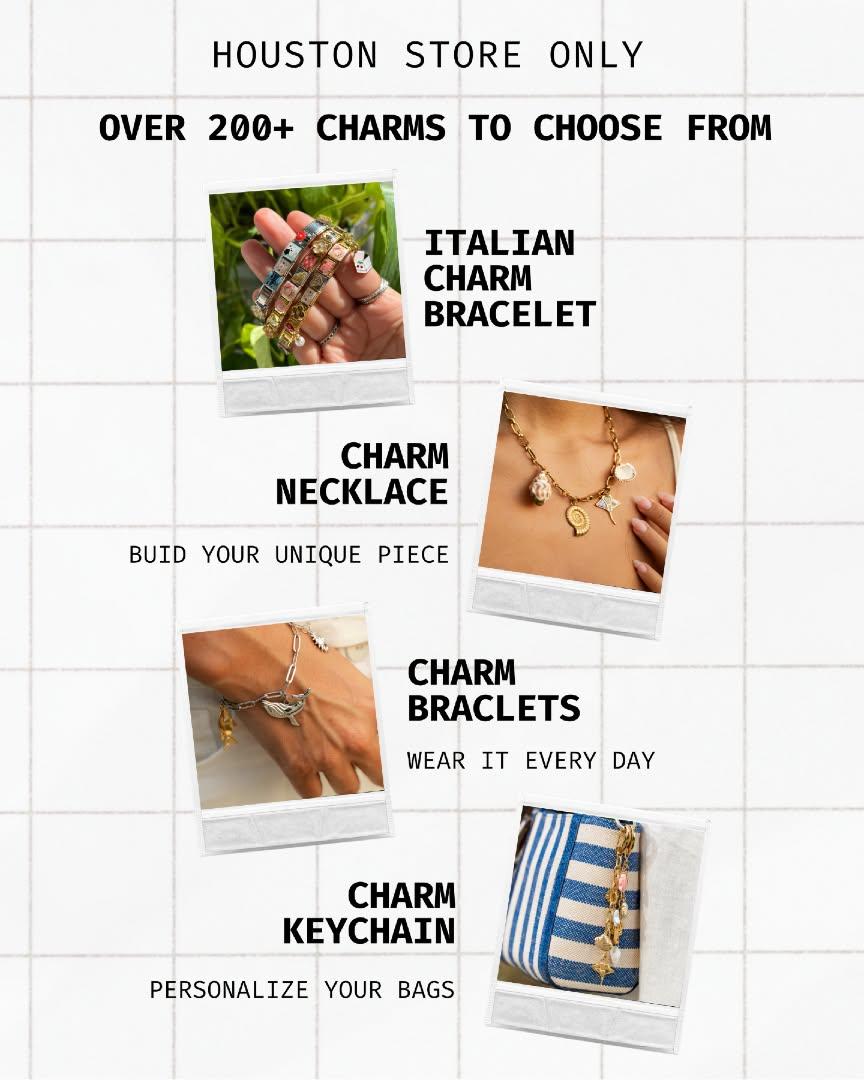
Anyone curious about what a hands-on jewelry workshop involves usually has the same first question: why make something when you can simply buy it? The honest answer is that the two activities solve different problems, even though both end with a piece of jewelry.
Shopping is about selecting from finished options. A workshop is about participating in how a piece comes to exist, which changes how it feels, how long it is kept and what it means to the person who made it.
This guide compares the two across process, cost, learning, results and suitability, so you can decide which fits a given occasion.
The Basic Difference
In a store, someone else has already made every design decision. You evaluate finished objects and choose.
In a workshop, you make some of those decisions yourself, guided by an instructor, using prepared materials and tools.
Consumption versus participation
Shopping is a consumption activity: you look, compare and buy. A workshop is a participation activity: you handle materials, make choices and complete a process.
That difference changes your relationship with the result. People tend to feel more attached to things they helped create.
What a workshop usually includes
Most beginner jewelry workshops provide a short introduction, a set of materials to choose from, simple tools and guided assembly. They are designed for people without experience, and no special skills are expected.
Why Making Something Changes How You Feel About It
Research and experience point in the same direction.
The effort effect
Behavioral researchers have documented what is sometimes called the IKEA effect: people place higher value on products they have partly assembled themselves, even when the result is modest. A well-known study by Norton, Mochon and Ariely found that participants valued self-assembled items more than comparable finished ones.
The effect applies naturally to jewelry. A bracelet you assembled yourself carries your decisions in a way a purchased one cannot.
Memory attached to the object
A workshop creates a memory of the making, including the people present, the conversation and the choices. That memory attaches to the piece, which makes it a keepsake as well as an accessory.
A sense of competence
Completing a small, tangible project gives a feeling of accomplishment. Many participants are surprised at how capable they feel after handling tools and finishing a piece.
How the Process Differs
The experience is structured differently from retail.
Pace
Shopping can be quick or slow, depending on you. A workshop has a defined schedule, usually between one and two hours, that guides you through choosing, assembling and finishing.
Decision making
In a store, the question is "which of these do I like?" In a workshop, the questions are "what do I want this to say?" and "how should these parts fit together?" The second set takes more thought and produces more personal results.
Interaction
Store staff typically assist with selection and sales. Workshop instructors teach technique, offer design feedback and troubleshoot problems, which makes the interaction more collaborative.
Setting
Stores are designed to display and sell. Workshop spaces are designed for working, with tables, good lighting and trays of materials, which creates a different mood, often more relaxed and social.
Cost and Value
Price comparisons are less straightforward than they appear.
What you pay for in a workshop
A workshop fee usually covers instruction, materials, tools and the finished piece. You are paying partly for the activity itself, not only the jewelry.
What you pay for in a store
A store price covers materials, labor, design, brand and overhead. You pay for the finished object, and you are free to leave it in a drawer.
Comparing value
A workshop can cost more than an equivalent piece bought off a shelf, particularly when the experience is included. It can also cost less per meaningful item, since each piece carries personal significance.
The better comparison is what you value. If you want an object, a store is efficient. If you want an experience and an object, a workshop offers both.
Learning and Skill
A workshop teaches, even at a basic level.
Skills you pick up
Participants typically learn how to open and close small rings, attach charms, check clasps and judge scale and balance. These skills apply to repairs and future projects.
Understanding construction
Knowing how a piece is put together helps you judge quality in the future. You learn what a secure attachment looks like, why link thickness matters and how metals differ.
A foundation for further crafts
Some people continue with other techniques, such as beading, wire wrapping and metal stamping. A beginner workshop is often the entry point.
Social and Emotional Benefits
A workshop is also a social activity.
Shared activity
Making things together encourages conversation. Participants compare designs, share advice and often learn something about each other.
Reduced pressure
Shopping can feel evaluative, with a sense of being judged on taste or budget. A workshop shifts attention to the task, which many people find more relaxed.
Creative expression
Craft activities are widely associated with relaxation and positive mood, and many people find that focusing on a manual task quiets mental noise. While experiences vary, the combination of creativity and social contact tends to be enjoyable.
Choosing a Good Workshop
Quality varies, and a few details help you judge.
Group size and instructor attention
Small groups, usually six to ten people per instructor, allow more individual help. Larger groups can feel rushed.
Quality of materials
Ask what the metals and charms are made of. Solid and filled metals last longer than thin plating, and good tools make assembly easier.
Clarity of what is included
Check how many pieces you can make, how many charms or components are included and what costs extra. Clear pricing prevents surprises.
Suitability for beginners
A good beginner workshop assumes no experience, explains each step and provides help when something goes wrong.
Accessibility and comfort
Look for seating, lighting and tools that suit different needs. Larger-handled pliers and pre-opened rings help guests with limited hand strength.
When a Workshop Is the Better Choice
Certain situations favor a hands-on approach.
Gifts with meaning
A piece made by the giver, or a session shared between giver and recipient, carries more weight than a purchase. Many people give the workshop itself as a gift.
Group occasions
Birthdays, showers, team outings and family gatherings all suit a shared activity with a tangible result.
Learning and exploration
If you are curious about design or construction, a workshop gives a low-risk introduction.
Personal pieces
If the goal is a piece that reflects your own choices, a workshop gives you more control than any store shelf.

When Traditional Shopping Is the Better Choice
Some situations favor a store.
Specific items
Engagement rings, watches and certified stones require expertise and documentation that a beginner workshop does not provide.
Time pressure
A store is faster when you need an item today. Workshops follow a schedule and require booking.
Complex or precious pieces
High-value or technically demanding pieces are best made by professionals. A workshop suits simple, wearable projects.
Preference for finished design
Some people simply prefer a professional designer's vision. There is no need to make something yourself if the finished piece already pleases you.
Combining Both
The two are complementary.
Mixing finished and custom pieces
Many people buy a classic piece in a store and make a custom piece in a workshop, then wear them together. A good chain from a store can serve as a base for charms added later.
Using a workshop to inform shopping
Learning about scale, spacing and construction makes you a better shopper. You notice details you would have missed before.
Common Workshop Formats
Not every jewelry workshop works the same way, and the format changes what you take away.
Assembly-based sessions
Participants choose chains and charms and put them together with simple tools. These are the most beginner-friendly, usually finish within two hours and require no special equipment.
Beading and stringing
Beads are threaded onto cord, wire or elastic. The process is forgiving, inexpensive and well suited to groups, though the results are less formal than metal jewelry.
Wire wrapping and stamping
Wire wrapping bends metal wire into loops and shapes, and metal stamping presses letters or designs into small blanks. Both need a bit more practice and a longer session, and they suit people who want to learn a craft rather than assemble a quick piece.
Advanced techniques
Soldering, casting and stone setting are taught in longer, multi-session courses with specialized tools. They offer deeper skills but demand more time and cost.
Safety, Allergies and Materials
A good workshop pays attention to practical details.
Tools and small parts
Pliers, wire and tiny components call for care, particularly around young children. A well-run session keeps small parts contained and shows participants how to hold tools safely.
Metal sensitivities
Participants with sensitive skin should ask what the chains and charms are made of. Solid gold, high quality filled metals, titanium and surgical steel are common choices for sensitive wearers, while some plated and base metals can irritate.
Food and drink
Many groups enjoy snacks and drinks during a session. Keeping them off the work surface prevents spills and lost pieces.
Managing Expectations
A workshop is not a substitute for a professional jeweler.
What the results look like
Beginner pieces are simple and wearable, not museum quality. That is part of their charm, since they reflect the maker's own choices and small imperfections.
What a workshop cannot do
It will not teach you to set diamonds or cast gold in a single evening. The aim is enjoyment, basic skill and a finished piece, and a good instructor makes that clear.
What to do afterward
Care for the piece as you would any jewelry: rinse after sweat and swimming, dry it with a soft cloth and check rings and clasps occasionally. If a ring opens, it can usually be closed with the same pliers used in class.
Local Context
In Houston, workshops often fit into a wider outing, such as an afternoon in the Heights or Rice Village with friends, followed by coffee or dinner. In Boston, workshops pair easily with a day around Back Bay, the South End or the university areas, where creative classes draw students, professionals and visitors alike.
Both cities have an active scene of craft events, so there is usually something available in any month.
Preparing for Your First Workshop
A little preparation improves the experience.
-
Look at the jewelry you wear most, and note the metal tone and scale.
-
Think of a few symbols or themes, without fixing a rigid plan.
-
Know your wrist or neck measurement if relevant.
-
Arrive a few minutes early to settle in.
-
Ask about care and repairs before leaving.
These steps take little effort and make the session smoother.
Frequently Asked Questions
What is a hands-on jewelry workshop?
A hands-on jewelry workshop is a guided session where participants choose materials and assemble a piece of jewelry themselves, with instruction and tools provided. Beginner sessions assume no prior experience.
Do I need experience to join a jewelry workshop?
No. Beginner workshops teach the basic steps, such as opening and closing small rings and attaching charms. Instructors help with any difficulties.
How long does a jewelry workshop usually last?
Many sessions run between one and two hours, depending on group size and the number of pieces. Check the details of a specific workshop for exact timing.
Is a workshop more expensive than buying jewelry?
It can be, since the fee includes instruction and the experience. Per meaningful piece, it may offer more value, because the result is personal. Compare based on what you want from the activity.
Why do people value things they make themselves more?
Researchers describe the IKEA effect, in which effort increases attachment and perceived value. People also associate handmade objects with the memory of making them.
What should I look for in a good jewelry workshop?
Small groups, quality materials, clear pricing, beginner-friendly instruction and comfortable facilities. Good workshops explain each step and help when problems arise.
Is a jewelry workshop a good gift?
Yes. It gives the recipient an experience and a personal keepsake. Check that the recipient enjoys creative activities, and consider booking a session together.

 English
 Arabic
 French
 Spanish
 Portuguese
 Deutsch
 Turkish
 Dutch
 Italiano
 Russian
 Portuguese (Brazil)
 Greek
