


Reading Opponents and Table Dynamics in Poker: A Guide for Malaysian Readers
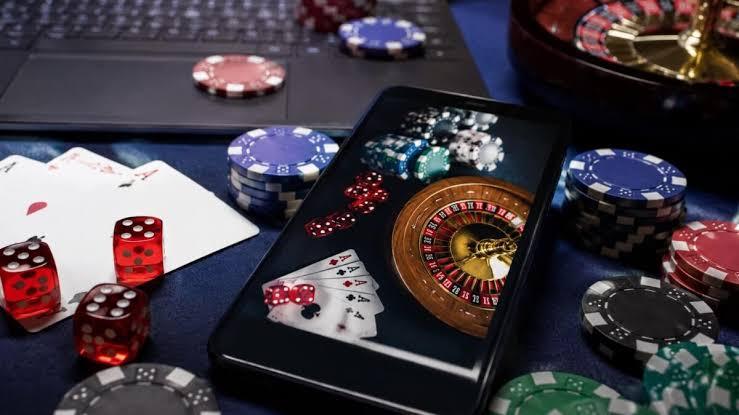
Poker is often described as a game of people played with cards, and that idea explains why observation skills matter so much. Readers who follow discussions about online poker malaysia quickly notice that experienced players spend far more time studying behavior and patterns than admiring their own hands. This article explains how opponents are read, how table dynamics shift, and why patience beats impulse.
Online and live reading differ. Without a physical table, you cannot see nervous hands or a sudden change in posture. Instead, the clues are digital: how quickly someone acts, how often they raise, and how they size their bets. A player who always acts instantly may be on autopilot, while a long pause before a large bet can signal a difficult decision. None of these signs is proof, but together they form a useful picture.
Most opponents fall into broad types. Tight players enter few pots and usually hold strong hands when they bet. Loose players enter many pots and are harder to put on a hand. Aggressive players bet and raise often, while passive players mostly call. The combination matters: a tight and aggressive opponent deserves respect, while a loose and passive one can often be pressured with well-timed bets.
Table dynamics change constantly. When a strong player leaves or a short-stacked newcomer sits down, the best approach shifts. Stack sizes also influence decisions, since a player with few chips has less room to fold and tends to commit quickly. Paying attention to these changes lets you adjust instead of repeating the same plan out of habit.
Your own image matters too. If you have folded for an hour, a sudden raise will be taken seriously. If you have been active, opponents may call you lighter. Smart players think about how their recent actions look and use that perception carefully, never relying on a single bluff to rescue a session.
The legal context deserves attention. Malaysia restricts gambling through laws such as the Common Gaming Houses Act 1953 and the Betting Act 1953, and Muslims are also bound by religious prohibitions. Readers should check official sources and avoid any activity that breaks the law. Studying reading skills through books, strategy videos, and free play-money practice is a lawful way to enjoy the intellectual side of poker.
Emotional control protects every skill described here. Even the best reader of opponents will fail after a bad beat if frustration takes over. Take breaks, keep sessions short, and never play when tired or upset. Set a firm limit on time and money beforehand, treat it as entertainment spending, and stop when it is reached. Borrowing, chasing losses, or hiding activity from family are warning signs that call for a pause and a conversation with someone you trust or a support helpline.
In conclusion, reading opponents is a skill built from patient observation, honest self-review, and calm decision making. Learn the basics, respect the law, set firm limits, and keep perspective at all times. Knowledge and balance always win.

 Arabic
 French
 Spanish
 Portuguese
 Deutsch
 Turkish
 Dutch
 Italiano
 Russian
 Romaian
 Portuguese (Brazil)
 Greek
