


Stabilize Gravel Driveway DIY: Build a Stronger Driveway That Lasts
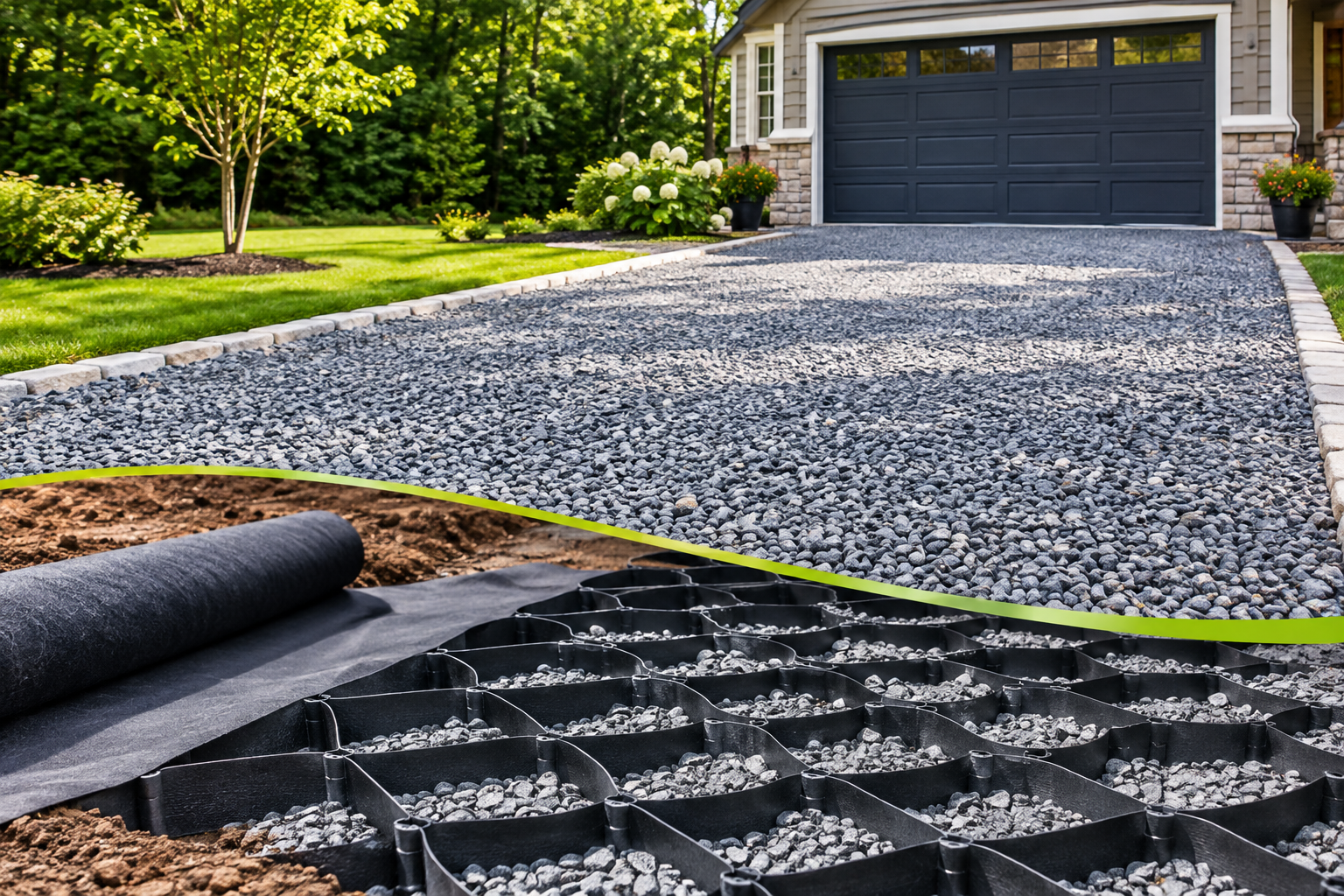
A gravel driveway can be an affordable and attractive addition to any home, but keeping it in good condition is not always easy. Loose stones, deep tire tracks, muddy patches, and rainwater runoff can turn a smooth driveway into a constant maintenance project. The good news is that you can improve its strength and appearance with the right preparation and stabilization method.
If you want to stabilize gravel driveway DIY style, choosing a suitable foundation, managing drainage, and keeping gravel in place are essential steps. With a little planning and the right materials, homeowners can create a durable driveway without relying entirely on expensive concrete or asphalt installation.
Why Does a Gravel Driveway Need Stabilization?
Loose gravel moves under repeated vehicle traffic. When cars turn, brake, or drive over the same areas, stones shift and create ruts. Rain can make the problem worse by washing gravel downhill or exposing the soil underneath.
Common driveway problems include:
-
Uneven surfaces and deep tire tracks.
-
Gravel spreading into lawns and garden beds.
-
Muddy spots caused by poor drainage.
-
Frequent spending on replacement gravel.
-
Weak areas that struggle to support heavier vehicles.
Simply adding more gravel may provide temporary relief, but it does not always solve the underlying problem. A stable foundation helps distribute vehicle weight, limit stone movement, and improve the driveway's overall performance.
How to Stabilize Gravel Driveway DIY: Step-by-Step Guide
1: Inspect and Prepare the Area
Start by examining your existing driveway. Identify soft spots, standing water, uneven sections, and areas where gravel frequently washes away. Measure the driveway's length and width to estimate the materials required.
Remove weeds, large rocks, debris, and unsuitable surface material. If the driveway has deep ruts or muddy areas, remove unstable soil until you reach a suitable foundation. Grade the surface carefully to encourage water to drain away rather than collect in low spots.
2: Create a Stable Base
A strong base is essential for long-term driveway performance. Level and compact the prepared soil using suitable equipment. The amount of excavation and base material needed depends on soil conditions, driveway slope, and expected vehicle loads.
For weaker soils or driveways that experience frequent rutting, consider a ground stabilization system. A properly selected geocell grid can help distribute loads across a wider area and confine gravel within individual cells.
3: Install Geotextile Fabric
Geotextile fabric can help separate the underlying soil from the gravel layer. This separation reduces the risk of soil mixing with aggregate and helps maintain the integrity of the foundation.
Lay the fabric across the prepared area, following the manufacturer's instructions for overlap and placement. Make sure it covers the intended driveway footprint without large gaps or folds.
4: Install Gravel Stabilization Grids
For homeowners seeking a more structured DIY solution, geocell panels are worth considering. These expandable cellular grids create compartments that hold aggregate in place while allowing water to pass through the gravel.
Expand the panels across the prepared surface and secure them with suitable stakes. Connect adjacent panels using the recommended clips, and trim them where necessary to fit the driveway layout.
Backyard Bases offers BaseCore™ geocell products designed for driveway foundations and other ground stabilization applications. The appropriate product depth and strength should be selected according to the anticipated traffic and site conditions.
5: Fill the Grid with Suitable Gravel
Choose angular crushed stone rather than smooth, rounded pea gravel. Angular stones fit together more effectively when compacted, helping create a firmer surface.
Fill each grid cell according to the installation instructions, allowing enough material to cover the grid after compaction. Avoid leaving sections underfilled, as exposed grid panels may be damaged by traffic or sunlight.
The correct aggregate size and quantity depend on the grid system being used. Check the product recommendations before ordering materials.
6: Compact and Finish the Surface
Spread the gravel evenly and compact it with an appropriate plate compactor or other suitable equipment. Work methodically across the driveway, paying attention to edges and transitions.
Check the finished surface for exposed panels, uneven sections, and areas where water could collect. Add more gravel where needed and confirm that the driveway drains properly before regular vehicle use.
Benefits of a Geocell-Stabilized Gravel Driveway
Better Gravel Retention
The cellular structure helps keep aggregate in position, reducing movement caused by tires and water flow.
Improved Load Distribution
Geocell grids help spread applied loads across a wider area, which can reduce rutting when the system is correctly designed and installed.
Permeable Surface
Unlike an impermeable concrete slab, a gravel-filled grid can allow rainwater to drain through the surface. Proper grading and suitable underlying soil remain important for effective drainage.
Practical DIY Installation
Many residential projects can be completed with basic preparation tools and suitable installation equipment. Larger driveways, steep slopes, weak soils, and heavy commercial traffic may require professional advice.
Tips for Keeping Your Gravel Driveway in Good Condition
Inspect the driveway after heavy rain to identify drainage problems early. Keep ditches and drainage channels clear, maintain the surface gravel where necessary, and address small ruts before they become larger problems.
Choose a stabilization system designed for your specific vehicle loads. Following installation instructions and selecting suitable aggregate are just as important as choosing the grid itself.
Frequently Asked Questions
1. What is the best way to stabilize a gravel driveway?
Preparing and compacting the ground, improving drainage, and using suitable angular gravel are important steps. Geocell grids can provide additional aggregate confinement where greater stability is needed.
2. Can I stabilize my gravel driveway myself?
Yes. Many residential driveways are suitable for DIY installation if the ground conditions are appropriate and you follow the product instructions. Complex slopes or heavily loaded driveways may need professional assessment.
3. What type of gravel works best in stabilization grids?
Angular crushed stone is generally preferred because its rough edges help the material lock together during compaction. Follow the grid manufacturer's recommendations for aggregate size and grading.
4. Will a stabilized gravel driveway eliminate maintenance?
No driveway is completely maintenance-free in every condition. Stabilization can reduce gravel movement and rutting, but occasional inspections, drainage maintenance, and surface adjustments may still be necessary.
Conclusion
Learning how to stabilize gravel driveway DIY style can help homeowners create a stronger, more attractive, and more dependable driving surface. Careful ground preparation, proper drainage, suitable gravel, and a well-matched stabilization grid all contribute to better results. For homeowners exploring practical ground grid solutions, Backyard Bases offers BaseCore™ geocell products designed to help stabilize gravel driveways while supporting long-lasting outdoor foundations.

 Arabic
 French
 Spanish
 Portuguese
 Deutsch
 Turkish
 Dutch
 Italiano
 Russian
 Romaian
 Portuguese (Brazil)
 Greek
