


Reliable Connection Solutions for Industrial Machinery
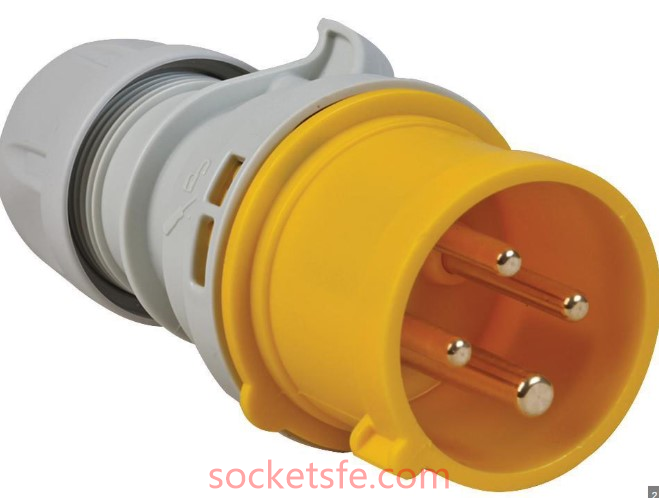
Electrical connectors are essential components in industrial power systems, providing the interface between power distribution equipment and connected machinery. Their selection requires attention to voltage, current, contact configuration, cable compatibility, and environmental conditions. A 220V Industrial Plug is designed for applications using a compatible nominal 220-volt supply, supporting electrical connections for suitable machinery, workshop equipment, and commercial installations. To achieve proper compatibility, buyers must consider the connector as part of the complete electrical system.
The outer housing provides mechanical support and insulation for the internal conductive components. Depending on the intended application, manufacturers may use engineering plastics or other insulating materials with suitable strength and thermal characteristics. The housing should maintain its structure during normal handling, installation, and connection cycles. Its shape also influences grip, cable entry, and the alignment of internal contacts. For industrial environments, material selection should account for possible exposure to dust, moisture, temperature changes, and mechanical impact.
Contact design directly influences electrical connection quality. Copper and copper-alloy components are commonly used for their conductivity and mechanical properties. Their shape and positioning must correspond to the mating socket to establish the intended connection. Suitable contact surface treatments can help manage oxidation and wear caused by repeated use. Terminal construction is equally important because it determines how conductors are secured. Correct assembly and suitable tightening help maintain reliable electrical contact and reduce the risk of loose terminations.
Electrical compatibility involves more than the nominal voltage. Buyers should confirm rated current, frequency where applicable, phase arrangement, pole configuration, and grounding requirements. A connector intended for a 220-volt supply must be matched with the actual electrical system and equipment specifications. Different regions may use different plug and socket standards, so the appearance of a connector cannot be used as the only basis for compatibility. Reviewing the relevant technical documentation before procurement helps prevent connection errors and unsuitable product selection.
Industrial applications can involve stationary machinery, movable equipment, maintenance tools, and auxiliary electrical systems. Production facilities may require connectors that support regular equipment operation, while workshops may prioritize convenient connection and disconnection during servicing. In environments with frequent equipment movement, housing durability and cable retention deserve particular attention. Where connectors are installed outdoors or in areas exposed to moisture and dust, buyers should also verify the ingress protection rating and ensure that the mating socket provides compatible protection.
Cable selection and installation practices also affect the performance of the connection. The plug must support the cable diameter and conductor specifications required by the equipment. Suitable strain-relief structures help reduce mechanical stress on the terminals, especially where cables may be moved during normal operation. Conductors should be connected according to terminal markings and manufacturer instructions. Proper grounding, circuit protection, and safe isolation procedures are essential parts of an appropriate electrical installation.
For industrial distributors and equipment manufacturers, clear product specifications make purchasing and integration more efficient. Technical documentation should identify rated voltage, rated current, pole arrangement, protection level, supported cable range, housing material, and compatible socket models. These details help buyers compare products according to actual project requirements and simplify replacement planning. Consistent connector configurations can also help manufacturers standardize electrical interfaces across different equipment models.
When evaluating a 220V Industrial Plug, buyers should check electrical ratings, contact configuration, cable compatibility, and environmental requirements together. Matching the plug with the correct socket and equipment helps establish a suitable connection for the intended application. For industrial plugs, sockets, and related power connection products, visit https://www.socketsfe.com to explore available configurations for industrial equipment and electrical distribution systems.

 English
 Arabic
 French
 Spanish
 Portuguese
 Deutsch
 Dutch
 Italiano
 Russian
 Romaian
 Portuguese (Brazil)
 Greek
