


Designing Seasonal Displays with Acrylic Light Features
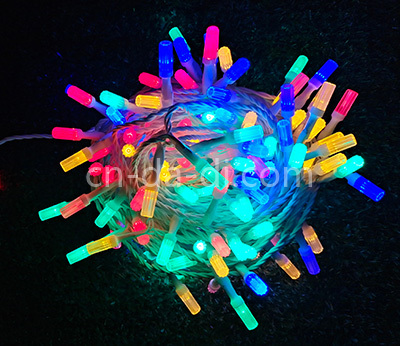
Decorative materials influence how Christmas lighting looks within a seasonal display. Transparent and translucent components can help distribute light, create visual depth, and highlight the shape of an ornament. Acrylic is often selected for decorative products because it can be formed into different designs while providing a clear, polished appearance. When combined with compact LED components, Acrylic LED Christmas Lights can create illuminated figures and decorative features for residential, retail, and commercial environments.
Acrylic is a thermoplastic material used in many decorative and display applications. Its optical clarity makes it suitable for products where the internal light source needs to remain visible through the outer structure. Depending on the manufacturing process and surface treatment, acrylic components can be designed with smooth, textured, frosted, or patterned finishes. These variations influence how light passes through the material and how the finished product appears from different viewing angles.
LED technology provides a practical light source for acrylic decorations because LED components are compact and can be positioned within or behind decorative structures. The arrangement of the light source affects the distribution of illumination across the acrylic surface. A carefully designed internal layout can help reduce uneven bright spots and create a more balanced visual effect. The final appearance also depends on the thickness, transparency, shape, and surface finish of the acrylic component.
Product design begins with the intended decorative purpose. Small illuminated ornaments may be suitable for Christmas trees, shelves, desks, and gift displays. Larger acrylic figures can be used as standalone decorations in retail windows, hotel lobbies, shopping centers, and event venues. Seasonal characters, stars, snowflakes, trees, and other festive shapes can be developed to match different themes. The combination of a recognizable outline and internal illumination helps these products remain visually noticeable in both simple and elaborate displays.
Color is another important design consideration. Clear acrylic can allow the LED color to become the main visual feature, while colored or frosted materials can change the appearance of the illuminated surface. Warm white lighting is often used for traditional seasonal themes, whereas cool white can create a crisp winter effect. Red, green, blue, and multicolor illumination may be selected for more expressive decorations. Buyers should consider how the material finish and light color work together rather than evaluating either feature separately.
Manufacturing quality affects both the appearance and practical performance of an acrylic lighting product. Cutting, molding, polishing, and assembly processes need to be controlled to achieve consistent shapes and surface finishes. Edges should be processed appropriately for the intended design, while joints and mounting structures should provide suitable support. Electrical components, wiring, and connectors must be assembled according to the product design and applicable safety requirements. Inspection may include checking the acrylic surface, structural stability, LED operation, and electrical connections.
Heat management should also be considered during product development. Although LEDs are generally efficient light sources, the complete product still needs to be designed around its electrical and thermal characteristics. Component placement, enclosure design, and operating conditions can influence how heat is managed. Manufacturers should evaluate the complete assembly rather than assuming that the use of LEDs alone guarantees suitability for every application.
Installation requirements vary according to product size and structure. Lightweight ornaments may be designed for hanging or tabletop placement, while larger figures may require stable bases or dedicated mounting accessories. Buyers should confirm whether a product is intended for indoor use or whether it has been designed for outdoor conditions. Acrylic appearance and electrical protection are separate considerations, so the material itself should not be treated as proof of weather resistance. For outdoor applications, the complete product must have an appropriate protection design and rating.
For distributors and project buyers, product consistency and packaging are important commercial factors. Acrylic components can be affected by scratches, pressure, and impact during handling. Protective packaging helps maintain surface quality during storage and transportation. Buyers may also consider customization options such as decorative shapes, surface finishes, LED colors, packaging artwork, and coordinated product collections. Confirming the design requirements before production can help suppliers align the finished goods with the target market.
By combining material design with carefully positioned illumination, Acrylic LED Christmas Lights can bring distinctive shapes and visual detail to seasonal environments. They are suitable for projects that require more than basic string lighting, particularly where ornaments and illuminated figures form part of the overall display. For additional seasonal lighting styles and product options, visit https://www.cn-da-di.com/product/other-christmas-lights/ to explore decorative solutions for Christmas projects.

 Arabic
 French
 Spanish
 Portuguese
 Deutsch
 Turkish
 Dutch
 Italiano
 Russian
 Romaian
 Portuguese (Brazil)
 Greek
