


Gynecomastia vs. Chest Fat: What’s the Difference?
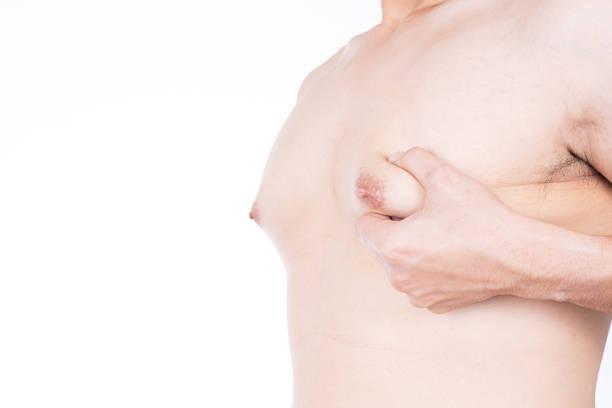
Some men develop enlarged breast tissue, while others simply accumulate fat around the chest due to weight gain or changes in body composition. Understanding the difference between these two conditions is important when choosing the right treatment. Gynecomastia Surgery in Riyadh is an option for men who have enlarged breast tissue that does not improve with lifestyle changes.
Although gynecomastia and chest fat can look similar, their underlying causes are different. Men researching gynecomastia surgery riyadh often want to understand whether their chest appearance is caused by hormonal changes, excess fat, or a combination of both. Identifying the actual cause helps determine whether exercise, weight management, medical evaluation, or surgery may be appropriate.
What Is Gynecomastia?
Gynecomastia is a condition in which male breast gland tissue becomes enlarged. It commonly develops because of an imbalance between the hormones estrogen and testosterone. Although it can affect males at different stages of life, it is particularly common during puberty and may also occur in adulthood.
Unlike ordinary chest fat, gynecomastia involves the development of actual glandular tissue beneath the nipple. Some men notice a firm or rubbery area behind the nipple, while others experience tenderness, swelling, or increased chest sensitivity.
Gynecomastia can affect one or both sides of the chest. Its severity also varies, ranging from slight enlargement around the nipple to more noticeable breast fullness.
What Is Chest Fat?
Chest fat, sometimes called pseudogynecomastia, refers to excess fatty tissue accumulating around the male chest. It is generally associated with overall weight gain, increased body fat, and changes in fat distribution.
Unlike gynecomastia, chest fat does not involve enlarged breast glands. The chest usually feels softer, and the fullness may extend across a larger area rather than being concentrated directly beneath the nipple.
Men with excess chest fat may notice improvements through regular exercise, balanced nutrition, and weight management. However, reducing chest fat can sometimes be difficult, particularly when stubborn fat remains despite consistent lifestyle changes.
Gynecomastia vs. Chest Fat: Key Differences
Understanding the physical differences between these conditions can help men recognize what might be causing their chest enlargement.
Difference in Tissue Structure
Gynecomastia involves enlarged glandular tissue, which often feels firm or rubbery beneath the nipple. Chest fat, on the other hand, consists of soft fatty tissue distributed around the chest.
However, physical examination alone cannot always provide a definite diagnosis. Some men have both enlarged glandular tissue and excess fat.
Difference in Appearance
Gynecomastia may create a rounded or swollen appearance around the nipples. In some cases, the nipples appear puffy or protrude more noticeably through clothing.
Chest fat generally creates a softer, fuller chest appearance. The enlargement may be spread across the chest rather than concentrated around the nipple area.
Difference in Causes
Hormonal changes are among the common causes of gynecomastia. Certain medications, underlying health conditions, and natural hormonal fluctuations may also contribute to its development.
Chest fat is more commonly associated with weight gain and excess body fat. Although both conditions can occur together, their causes and treatment approaches are different.
Can Exercise Get Rid of Gynecomastia?
Exercise can help improve overall body composition and reduce excess fat, but it cannot directly eliminate enlarged breast gland tissue.
Chest exercises such as push-ups, bench presses, and resistance training can strengthen the pectoral muscles and improve chest definition. However, if the enlargement is caused by gynecomastia, building muscle alone may not resolve the condition.
For men whose chest enlargement is primarily caused by excess fat, weight management may produce noticeable improvements. A professional assessment can help identify whether additional treatment is necessary.
When Should You Consider Gynecomastia Surgery?
Men may consider surgery when enlarged breast tissue remains noticeable despite lifestyle changes or causes discomfort and self-consciousness. The procedure is designed to remove excess glandular tissue and, when appropriate, unwanted fat to create a flatter and more balanced chest appearance.
Understanding the Surgical Approach
Gynecomastia surgery may involve surgical removal of glandular tissue, liposuction to remove excess fat, or a combination of both techniques. The appropriate approach depends on the amount and type of tissue present.
Before treatment, a qualified surgeon evaluates the chest, discusses medical history, and explains the expected results, recovery process, and possible risks.
Frequently Asked Questions
1. How can I tell if I have gynecomastia or chest fat?
Gynecomastia often feels firm or rubbery beneath the nipple, while chest fat usually feels softer. However, a professional examination is needed to distinguish between them accurately.
2. Can losing weight completely remove gynecomastia?
Weight loss can reduce excess chest fat, but it generally does not eliminate enlarged glandular tissue. Men with both conditions may notice some improvement after losing weight.
3. Is gynecomastia a serious medical condition?
Gynecomastia is usually benign, but new, painful, or rapidly increasing breast enlargement should be medically evaluated. A healthcare professional can check for underlying causes.
4. Does gynecomastia surgery remove both fat and glandular tissue?
Yes, depending on the individual's condition, surgery may combine liposuction and glandular tissue removal to improve chest shape and contour.
5. Can gynecomastia return after surgery?
Recurrence is possible, particularly if underlying hormonal issues, certain medications, or other contributing factors remain. Following medical advice can help support lasting results.
Book Your Consultation at Enfield Royal Clinic
Understanding whether your chest enlargement is caused by gynecomastia or excess fat is the first step toward choosing an appropriate solution. At Enfield Royal Clinic, patients can receive a professional assessment and learn about suitable treatment options based on their individual needs. Book a consultation to discuss your concerns and explore ways to achieve a more balanced chest appearance.

 English
 Arabic
 French
 Spanish
 Portuguese
 Deutsch
 Turkish
 Dutch
 Italiano
 Russian
 Romaian
 Portuguese (Brazil)
