


Bakery Box Guide: Materials, Sizing, and Design for Fresh Treats
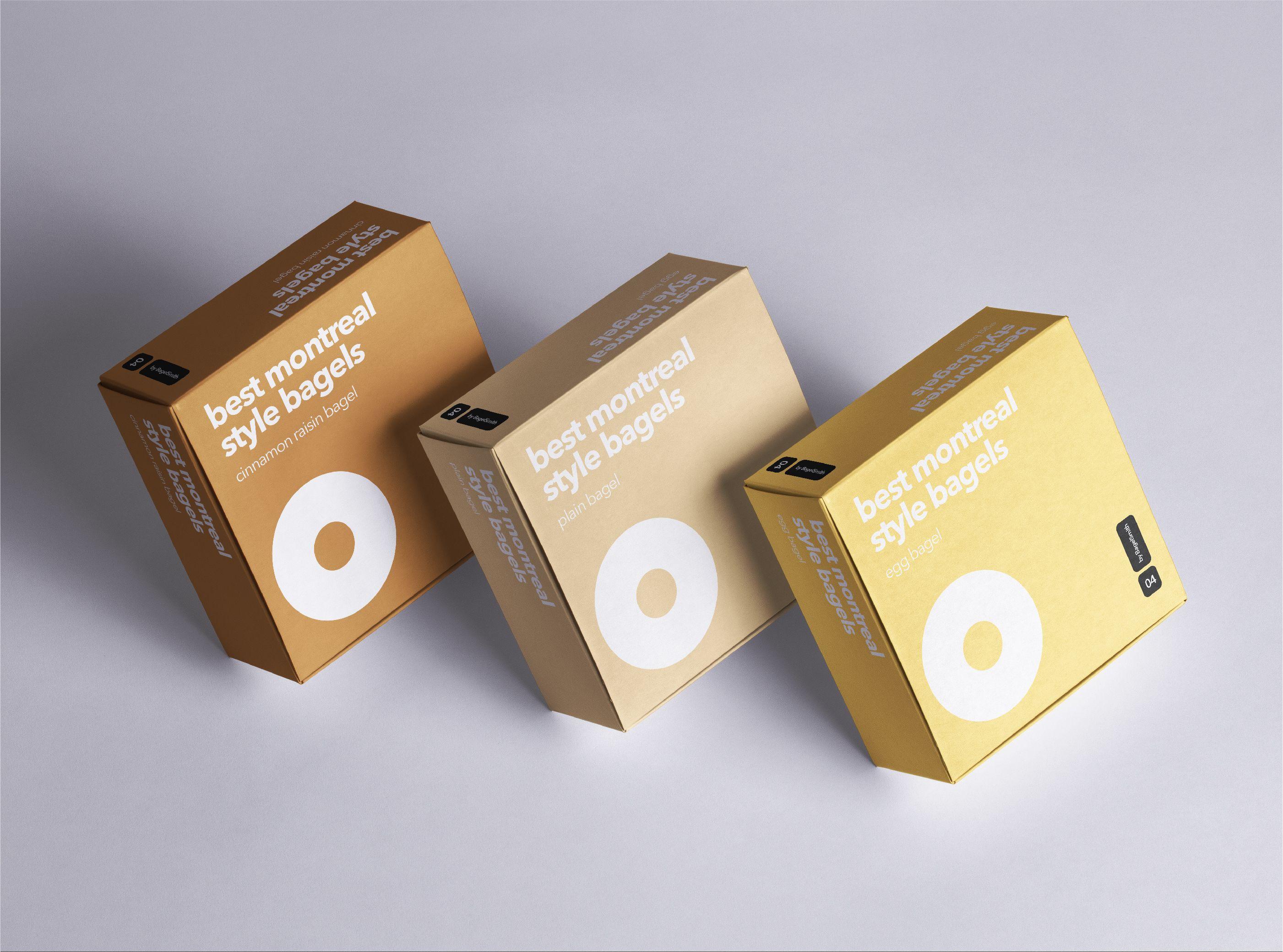
Packaging That Keeps Fresh-Baked Goods Fresh and Memorable
Anyone who has baked for a living knows the feeling. You spend hours on dough, timing, and decoration, and then the product gets slid into a plain bag and handed over. The box is the last thing a customer sees before they taste your work, and it deserves just as much thought. Well-made custom bakery packaging boxes protect delicate items, keep them looking appealing, and tell people exactly who made them. This guide covers how to choose materials, size boxes sensibly, and design packaging that works as hard as your recipes do.
Why Presentation Matters in a Bakery
People eat with their eyes first. A tidy box with a clean logo suggests care, hygiene, and quality before the lid even opens. That impression carries weight with today's shoppers. A Shorr Packaging survey of more than 1,100 US consumers found that 58% were likely or very likely to buy products that clearly state their packaging is recyclable or reusable. For a bakery, that is a simple opportunity: pair a sturdy box with a small recycling note, and you've answered a concern many customers already have.
Presentation also supports word of mouth. A good-looking box gets photographed, gifted, and reused. For small shops without big ad budgets, custom bakery packaging boxes quietly advertise your name on every counter, doorstep, and office table they reach.
Choosing Materials for Fresh Products
Grease Resistance and Breathability
Buttery pastries, croissants, and doughnuts can leave oil marks on plain board. Look for grease-resistant coatings or liners that keep boxes clean without relying on heavy plastic. At the same time, very warm items need a little airflow. Small vents or breathable paper liners help prevent steam from turning crisp crusts soggy.
Windows and Visibility
A clear window lets customers see what they're buying, which is a strong selling point for decorated cakes, cookies, and filled pastries. Choose a window film that is recyclable or compostable where possible, and keep the cutout modest so the box stays rigid. A well-placed window shows off your work without weakening the structure.
Packing Bagels the Right Way
Bagels seem simple, but they pose their own challenges. They need to stay chewy inside, hold their shape in a stack, and stay fresh through a morning commute.
Sizing for Dozens and Half-Dozens
A standard bagel measures around four inches across, but yours may differ, so measure your actual product before ordering. Most customers buy by the half-dozen or dozen, so it helps to offer two sizes. Custom bagel boxes sized to your real products avoid wasted space, keep items from sliding, and cut shipping costs for orders that travel.
Keeping Crust Crisp and Interiors Soft
Trapped moisture is the enemy. Fully cool bagels before boxing, and use a liner that absorbs a little humidity. If you sell spreads or toppings, pack them in separate containers so nothing soaks into the dough. Well-planned custom bagel boxes can even include a small divider for cream cheese tubs or a printed note on how to toast and store them.
Design Tips That Actually Work
Keep It Simple and On Brand
Bakeries often have a warm, handmade personality, so let your packaging reflect it. A single bold color, a clean logo, and a short line of copy often look more inviting than a crowded layout. Use high-resolution vector files and match your colors to your shop sign and website. When your custom bakery packaging boxes look consistent from store to socials, customers remember you faster.
Add Small Personal Touches
A stamped date, a hand-signed thank-you note, or a sticker closure adds warmth at almost no cost. Seasonal sleeves can refresh your look for holidays without requiring a whole new box.
Budget and Timing
Pricing depends on size, board grade, coatings, print coverage, and quantity. Setup costs get spread across the run, so larger orders usually reduce the per-unit price. Still, avoid overbuying before you've tested a design. Start with a month or two of expected demand, then reorder as you gain confidence. Ask suppliers to include proofs and delivery in each quote so you can compare options fairly.
Production can take several weeks, so order well before busy periods like holidays and wedding season. Request a physical sample first and test it with real products. Try it warm, cold, and after a short drive.
Frequently Asked Questions
Are food-safe materials required?
Yes. Any material touching food should be rated food-safe, and requirements vary by region. Ask your supplier for documentation, and confirm that coatings and inks meet local rules before you place a large order.
Can I order small quantities to test a design?
Often, yes. Digital printing usually allows lower minimums, which suits a trial run. Also ask whether your custom bakery packaging boxes can be reordered later using the same artwork file.
How do I stop boxes from getting greasy?
Choose grease-resistant board or add a liner, and let hot items cool slightly before packing. Test with your oiliest product to be sure.
Final Thoughts
Great baking deserves great packaging. Choose materials that suit your products, size boxes to fit what you actually sell, and keep the design simple and recognizable. Do that, and your custom bakery packaging boxes will protect every order while turning each purchase into a small brand moment customers look forward to.

 English
 Arabic
 French
 Spanish
 Portuguese
 Deutsch
 Turkish
 Dutch
 Italiano
 Romaian
 Portuguese (Brazil)
 Greek
