


Laminated Packaging Solutions for Modern Markets
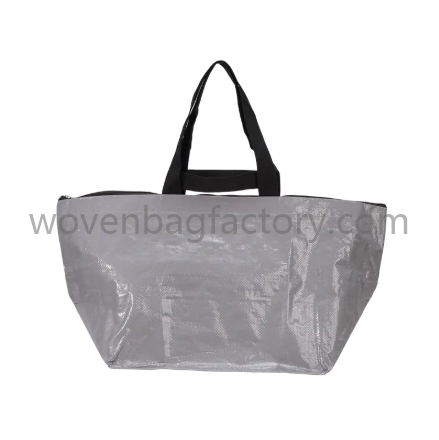
Packaging serves two important purposes in many commercial markets: protecting products during distribution and communicating information to customers. A BOPP Laminated Woven Bag combines a woven polypropylene base with a printed film layer, creating a packaging format that brings structural support and visual presentation together. BOPP, or biaxially oriented polypropylene, is a film material commonly used in printed packaging. The finished product's suitability depends on the woven base, film characteristics, lamination process, bag construction, and conditions during filling, storage, and transportation.
The woven base is produced by interlacing polypropylene tapes into fabric. This structure provides the foundation of the bag, while the laminated film creates a printable surface for graphics and product information. During manufacturing, the film and woven fabric are combined through a controlled lamination process. The composite material can then be cut and converted into bags with selected dimensions, openings, bottom structures, and closures. Consistent coordination between these stages helps maintain appearance and product usability.
One of the main commercial advantages of laminated woven packaging is its printing potential. The film surface can display logos, product images, brand colors, handling instructions, and other information. For companies selling through wholesalers, distributors, and retail channels, packaging appearance can support product recognition and brand consistency. However, artwork needs to account for the final bag structure. Folds, seams, cutting positions, and areas covered during filling can influence which parts of the design remain visible.
Material selection should be based on the product and its distribution environment. Agricultural products, animal feed, construction materials, and industrial commodities can have different packaging requirements. Some applications may prioritize practical handling and storage, while others place greater emphasis on product identification or surface protection. Buyers should communicate the packed product, expected load, filling method, storage conditions, and transportation arrangements before confirming the packaging construction. These details help suppliers assess suitable materials and finishing options.
Lamination quality is an important part of production control. Consistent bonding and material tension help maintain a uniform surface and support subsequent converting operations. Irregular lamination or surface defects can affect the finished appearance and create difficulties during cutting and sewing. Printing quality also depends on artwork preparation, color management, film selection, and process control. During bag conversion, accurate cutting and reliable stitching contribute to a consistent finished structure.
Customization gives businesses opportunities to align packaging with their product range and target market. Buyers may request different graphics, colors, bag sizes, and finishing details. A coordinated design system can help distributors distinguish product categories, while clear information supports warehouse identification and handling. Before mass production, artwork files and layout details should be reviewed carefully. Approving a physical sample or production proof can reduce the possibility of errors and unnecessary revisions.
Quality assurance should address both visual and functional requirements. Buyers may inspect dimensions, printing alignment, lamination appearance, seam construction, and overall workmanship. The inspection program should reflect the intended application and the acceptance criteria agreed with the supplier. Maintaining reference samples and documented specifications helps ensure consistency across repeat orders. It also gives purchasing teams a clear basis for discussing product variations and resolving quality concerns.
For international sourcing, production planning needs to account for artwork approval, material preparation, lamination, conversion, and shipment packaging. Buyers should confirm order quantities, production schedules, labeling requirements, and delivery expectations early in the process. Changes to artwork or dimensions may influence manufacturing arrangements, so clear communication is particularly important when packaging is connected to a product launch or seasonal sales period. A coordinated process helps reduce delays between design approval and final delivery.
Environmental considerations should be included when comparing laminated packaging options. Because the product combines material layers, recycling feasibility may depend on local collection and processing systems. Contamination, coatings, and the composition of the finished bag can also affect disposal options. Businesses should ask for clear material information and consider the waste-management arrangements available in their target markets. Selecting a construction that meets actual product requirements without unnecessary complexity can support more informed packaging decisions.
When evaluating a BOPP Laminated Woven Bag, businesses should consider print presentation, lamination consistency, woven construction, and the demands of the distribution environment together. HONGYANG supports woven packaging requirements for customers seeking practical product presentation and application-focused designs. To explore available packaging solutions and discuss sourcing needs, visit https://www.wovenbagfactory.com/product/kraft-paper-bag/ and review the options suited to your products and target markets.

 English
 Arabic
 French
 Spanish
 Portuguese
 Deutsch
 Turkish
 Dutch
 Italiano
 Russian
 Portuguese (Brazil)
 Greek
