


How Does Bacterial Growth Affect Dental Implant Health?
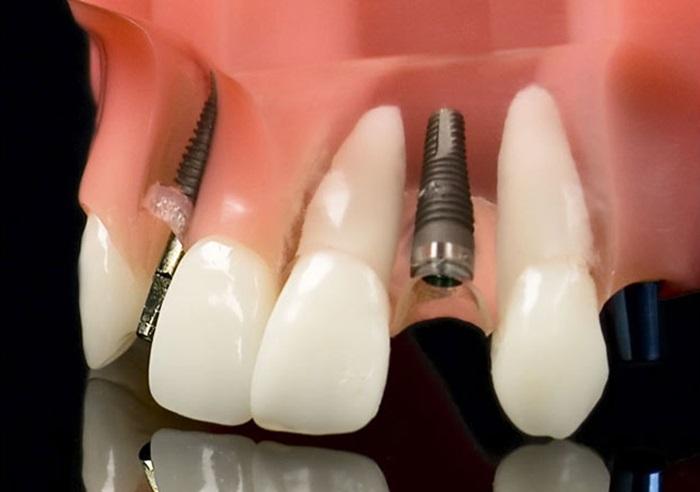
Dental implants are designed to provide a durable and natural-looking solution for missing teeth, but their long-term success depends heavily on maintaining good oral hygiene. One of the biggest threats to implant health is bacterial growth around the implant and surrounding gum tissue. When harmful bacteria accumulate, they can cause inflammation, infection, and even damage to the supporting bone. Understanding the risks associated with Dental Implant Infection in Dubai can help patients recognise early warning signs and take appropriate steps to protect their dental implants.
Understanding Bacterial Growth Around Dental Implants
The mouth naturally contains hundreds of different types of bacteria. While many are harmless, certain bacteria can become harmful when they accumulate around dental implants. Food particles, plaque, and poor oral hygiene create an environment where these microorganisms can multiply.
Unlike natural teeth, dental implants do not have the same biological connection to surrounding tissues. Their supporting structures can become vulnerable when bacteria enter the space between the implant and gums.
How Does Plaque Build Up Around Implants?
Plaque is a sticky film containing bacteria that regularly forms on teeth and dental surfaces. If it is not removed through proper brushing and flossing, it can harden into tartar.
When plaque accumulates around an implant, it may irritate the surrounding gum tissue. Over time, this irritation can develop into inflammation and infection, potentially affecting the implant's stability.
How Bacteria Can Damage Dental Implant Health
Bacterial growth does not always cause immediate problems. However, continuous bacterial accumulation can gradually affect the soft tissues and bone responsible for supporting an implant.
1. Causes Gum Inflammation
One of the earliest consequences of bacterial accumulation is inflammation around the implant. This condition is known as peri-implant mucositis.
Patients may experience redness, swelling, tenderness, or bleeding when brushing around the implant. At this stage, the condition may be reversible with professional cleaning and improved oral hygiene.
2. Increases the Risk of Peri-Implantitis
If bacterial infection remains untreated, it can progress into peri-implantitis. This is a more serious inflammatory condition that affects both the surrounding gums and supporting bone.
As the infection progresses, the bone around the implant may gradually deteriorate. This can weaken the implant's foundation and increase the risk of implant failure.
3. Weakens the Supporting Bone
Dental implants rely on a strong connection between the implant surface and the surrounding jawbone, a process called osseointegration.
Harmful bacteria can trigger an inflammatory response that damages bone tissue. When significant bone loss occurs, the implant may become loose or lose its ability to function properly.
Common Signs of Bacterial Infection Around Dental Implants
Recognising early symptoms can help prevent minor problems from becoming serious complications. Although symptoms vary between individuals, certain warning signs should never be ignored.
Common symptoms include:
-
Redness and swelling around the implant.
-
Bleeding during brushing or flossing.
-
Persistent bad breath or an unpleasant taste.
-
Gum tenderness or discomfort.
-
Pus or discharge around the implant.
-
Pain while chewing.
-
Loosening of the implant or its restoration.
When Should You Visit a Dentist?
Occasional irritation may not always indicate an infection, but persistent swelling, bleeding, or discomfort requires professional evaluation. Severe pain, pus, fever, or facial swelling should be assessed urgently.
Early diagnosis allows dentists to identify the underlying cause and recommend suitable treatment before extensive damage develops.
Factors That Encourage Bacterial Growth
Several lifestyle habits and oral health conditions can increase bacterial accumulation around dental implants.
Poor Oral Hygiene
Inadequate brushing and flossing allow plaque to accumulate around implant surfaces. Patients should follow a consistent cleaning routine and use suitable oral hygiene products recommended by their dentist.
Smoking and Tobacco Use
Smoking can negatively affect gum health and reduce blood circulation in oral tissues. It may also interfere with healing and increase the risk of implant-related complications.
Existing Gum Disease
Patients with a history of periodontal disease may have a higher risk of developing inflammation around dental implants. Maintaining healthy gums is essential for protecting implant longevity.
How Can You Prevent Bacterial Growth Around Dental Implants?
Preventive care plays an important role in maintaining healthy dental implants. Small daily habits can significantly reduce plaque accumulation and protect surrounding tissues.
Consider following these practices:
-
Brush twice daily using a soft-bristled toothbrush.
-
Clean between teeth and around implants with suitable interdental brushes.
-
Use dentist-recommended antibacterial mouthwash when appropriate.
-
Avoid smoking and tobacco products.
-
Schedule regular dental check-ups and professional cleanings.
-
Follow all post-implant care instructions.
Why Are Regular Dental Check-Ups Important?
Professional examinations help dentists monitor gum health, identify early inflammation, and assess the supporting bone when necessary. Regular maintenance also allows accumulated plaque and tartar to be removed from areas that may be difficult to clean at home.
Final Thoughts
Bacterial growth can significantly affect dental implant health by causing gum inflammation, damaging supporting bone, and increasing the risk of implant failure. However, these complications are often preventable through proper oral hygiene, regular dental visits, and early treatment.
Patients should never ignore symptoms such as bleeding gums, persistent swelling, or unusual discharge around an implant. Seeking professional advice at the right time can help protect surrounding tissues and maintain long-term implant stability. With consistent care and professional monitoring, dental implants can remain a reliable and functional solution for many years.

 English
 Arabic
 French
 Spanish
 Portuguese
 Deutsch
 Turkish
 Dutch
 Italiano
 Russian
 Portuguese (Brazil)
 Greek
