


The Role of Filtration in Effective Pool Cleaning
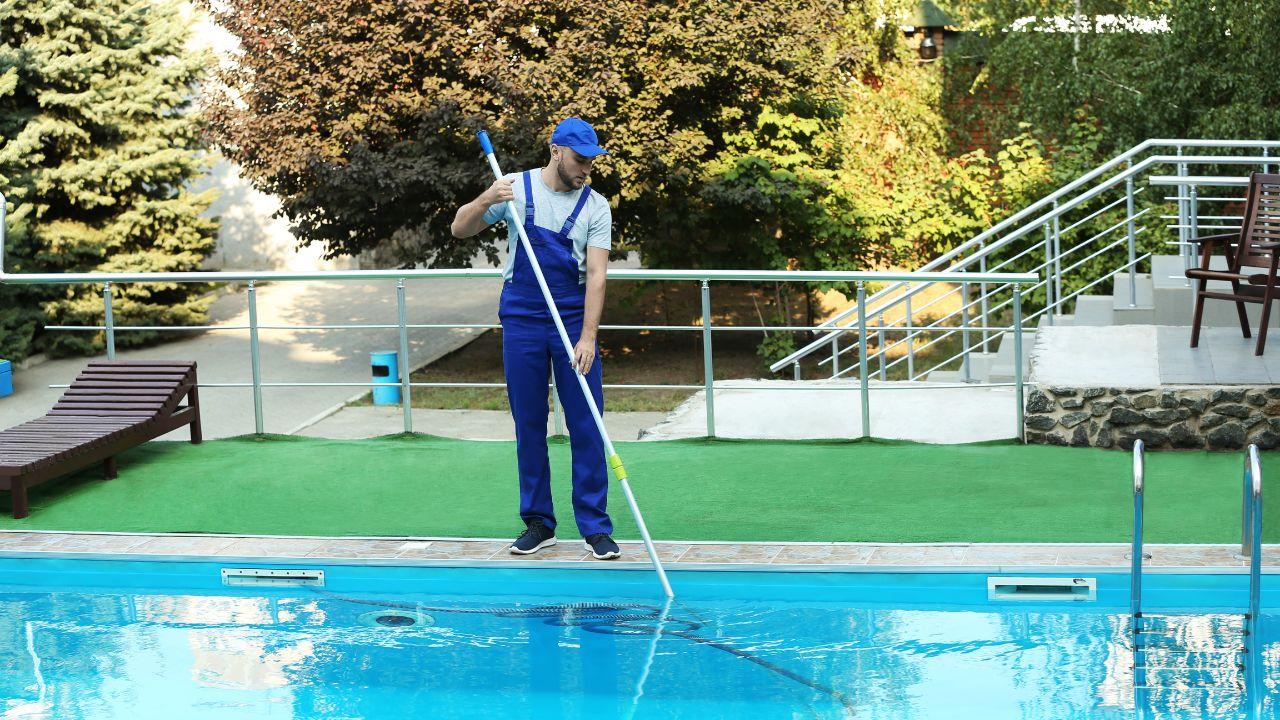
When most people think about pool cleaning, they picture skimming leaves off the surface or vacuuming debris from the floor. These visible tasks are important, but they represent only part of what actually keeps a pool clean. Filtration works continuously in the background, removing fine particles that skimming alone cannot catch, and understanding how it functions helps explain why a pool can look clean on the surface while still suffering from underlying clarity or hygiene issues.
What Filtration Actually Removes
While a net or skimmer catches visible debris like leaves and insects, filtration systems are designed to trap much finer particles, including dust, pollen, suspended organic matter, and the byproducts of chemical reactions in the water. Without effective filtration, these fine particles accumulate in the water, eventually producing the kind of persistent haziness that no amount of surface skimming can resolve.
Common Filter Types in Singapore Pools
Sand filters remain a popular choice for many residential and commercial pools due to their durability and relatively low maintenance requirements, trapping particles as water passes through a bed of specially graded sand. Cartridge filters use a pleated fabric element that can capture finer particles than sand but require periodic removal and cleaning to prevent clogging. Diatomaceous earth filters offer the finest filtration of the common types but require more careful handling and periodic media replacement to maintain performance.
Why Filter Type Affects Cleaning Frequency
The type of filter installed influences how often other cleaning tasks need attention. A pool with a finer filtration system may show fewer signs of suspended particle cloudiness between cleanings, while a pool relying on a coarser sand filter might benefit from more frequent surface skimming and vacuuming to compensate for what the filter itself cannot catch as effectively.
The Importance of Regular Backwashing
Sand and some cartridge filters require periodic backwashing, a process that reverses water flow to flush trapped debris out of the filter media. Skipping backwashing allows the filter to become increasingly clogged, which reduces flow rate and circulation efficiency throughout the pool. A clogged filter forces the pump to work harder, increasing energy consumption and accelerating wear, while also allowing more unfiltered debris to recirculate through the pool rather than being properly captured.
Signs Your Filtration System Needs Attention
A noticeable drop in pressure gauge readings on a sand filter, water taking longer than usual to clear after a cleaning, or visible debris reappearing shortly after vacuuming are all signs that filtration efficiency has declined. These symptoms are sometimes mistaken for a cleaning problem when the underlying issue actually lies with the filter itself needing backwashing, media replacement, or a more thorough service.
How Filtration and Cleaning Work Together
Effective pool cleaning is really a combination of visible surface and floor cleaning alongside properly maintained filtration working continuously in the background. Neither element alone is sufficient; a pool that is skimmed and vacuumed regularly but has a neglected filter will still struggle with clarity, while a well-maintained filter cannot compensate for debris that is never physically removed from the water through skimming and brushing.
Trusting Professionals With Filtration Upkeep
Because filtration systems involve mechanical components and media that require specific handling, many pool owners prefer to leave this aspect to a pool cleaning specialists with the training to properly assess backwashing schedules, media condition, and pressure readings. A cleaning service that treats filtration as a core part of the job, rather than an afterthought, typically delivers noticeably better and longer-lasting water clarity than surface cleaning alone.
Matching Filter Choice to Pool Priorities
When installing a new pool or replacing an ageing filtration system entirely, it is worth thinking about which filter type best matches the household's priorities rather than defaulting to whatever was previously installed. Homeowners who prioritise the clearest possible water and do not mind the slightly higher maintenance involved in periodic media recharging may lean toward a diatomaceous earth system, while those who value low ongoing maintenance and durability might prefer the simplicity of a sand filter despite its comparatively coarser filtration. Cartridge filters often appeal to those seeking a middle ground, offering finer filtration than sand without the backwashing process, provided the homeowner is comfortable with periodically removing and rinsing the cartridge themselves.
It is also worth noting that filtration performance can be affected by factors outside the filter itself, such as undersized pipework restricting flow before water even reaches the filter, or a pump that is mismatched to the filter's rated flow capacity. A comprehensive assessment of the entire circulation system, rather than focusing on the filter media in isolation, gives a more accurate picture of why a pool might be struggling with clarity despite an apparently functional filter.
Conclusion
Pool cleaning is often judged purely by how clear the water looks, but that clarity depends heavily on filtration systems working correctly behind the scenes. Understanding the role filtration plays, and ensuring it receives the same consistent attention as surface cleaning, is essential for achieving water quality that remains reliably clear rather than just temporarily tidy.

 English
 Arabic
 French
 Spanish
 Portuguese
 Deutsch
 Turkish
 Dutch
 Italiano
 Russian
 Portuguese (Brazil)
 Greek
