


Electrical Inspection for a Safer and More Reliable Home
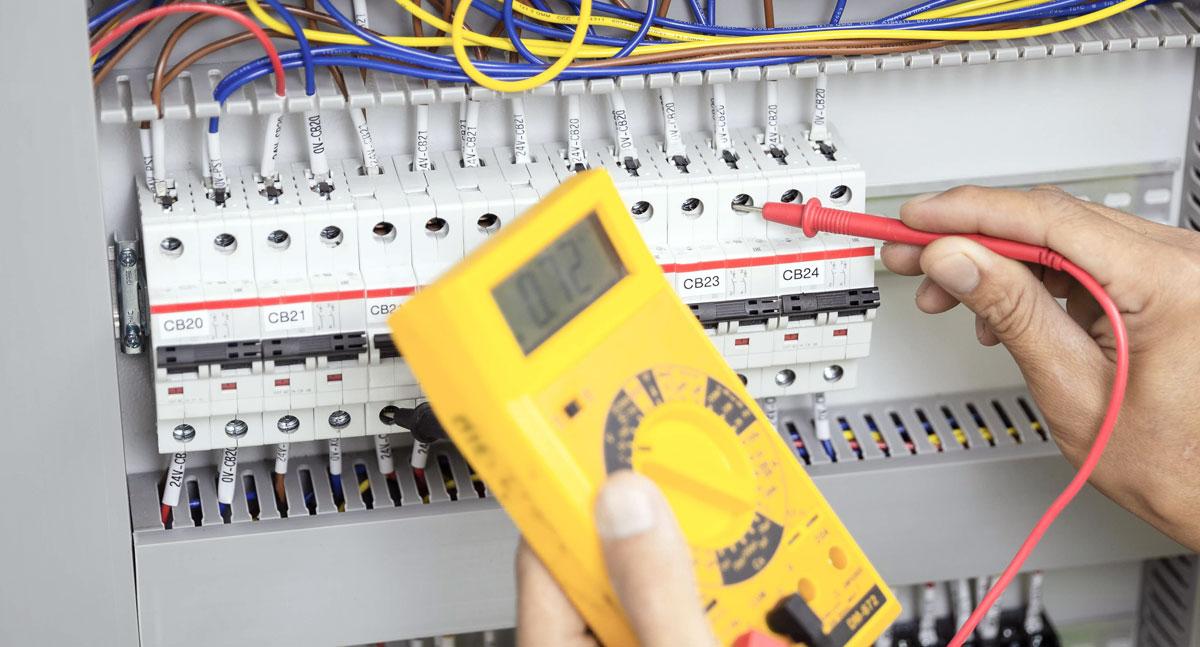
A home's electrical system powers essential appliances, lighting, heating equipment, and many devices used every day. Although most electrical components remain hidden behind walls or inside panels, their condition plays an important role in household safety. Damaged wiring, overloaded circuits, loose connections, and outdated electrical equipment can create serious risks if they are not identified in time. A professional electrical inspection helps assess the condition of accessible electrical components, identify visible safety concerns, and determine whether repairs or further evaluation are necessary. Regular attention can help homeowners maintain a safer and more dependable electrical system.
Why Electrical Inspections Are Important
Electrical problems are not always easy to recognize. Some issues develop inside walls, behind outlets, or within electrical panels without producing obvious warning signs. A circuit that frequently trips, flickering lights, warm outlets, or unusual buzzing sounds may indicate a problem that needs attention. Ignoring these symptoms can increase the risk of equipment damage, electric shock, or electrical fires.
An electrical inspection helps identify potential hazards before they become more serious. A qualified inspector or licensed electrician can examine accessible wiring, outlets, switches, circuit breakers, and other electrical components. The assessment provides information about visible conditions and whether additional testing or repairs may be needed. This is especially useful for older properties, recently renovated homes, and buildings that have experienced repeated electrical problems.
Common Electrical Problems Found in Homes
Residential electrical systems can develop several types of problems over time. Damaged insulation, loose wiring connections, deteriorated outlets, and faulty switches may affect how electricity moves through a property. Overloaded circuits can also become a concern when too many appliances operate on the same circuit. Older electrical panels may have limited capacity or components that require further evaluation.
Other concerns include missing outlet covers, exposed wiring, improper grounding, and electrical connections that do not meet current safety requirements. An electrical inspection in Charlotte can help identify visible defects and conditions that may require correction. However, some problems are concealed and may need specialized testing by a licensed electrician before their full extent can be determined.
Inspecting Electrical Panels and Circuit Breakers
The electrical panel distributes power throughout a property and provides protection through circuit breakers or fuses. Because it controls the flow of electricity to different areas, its condition is an important part of household safety. During an assessment, accessible panel components may be reviewed for visible damage, corrosion, overheating marks, improper labeling, and signs of previous repairs.
Circuit breakers should also be checked for obvious defects and signs of repeated tripping. A breaker that trips frequently may indicate an overloaded circuit, a short circuit, or another electrical issue. Simply replacing or resetting it without identifying the cause may leave the underlying problem unresolved. A professional electrical inspection can help determine whether further evaluation of the panel, wiring, or connected equipment is necessary.
Checking Outlets, Switches, and Electrical Connections
Outlets and switches are among the most frequently used electrical components in a home. Over time, they may become loose, damaged, or worn. Cracked outlet covers, exposed wiring, discoloration, and unusual warmth can indicate potential safety concerns. These conditions should not be ignored, especially when they occur near frequently used appliances or areas with moisture.
During an electrical inspection, accessible outlets and switches may be examined for visible damage, secure installation, and appropriate safety features. Ground-fault circuit interrupters (GFCIs) are particularly important in locations where electricity may come into contact with water, such as kitchens, bathrooms, garages, and outdoor areas. The inspector may recommend further testing or replacement when a component appears unsafe or does not operate correctly.
Evaluating Wiring and Grounding Systems
Electrical wiring carries power throughout the property, making its condition essential for safe operation. Older homes may contain outdated wiring materials or installations that require additional evaluation. Damaged insulation, exposed conductors, loose connections, and poorly supported cables can increase the risk of electrical faults. Renovations and previous repair work may also affect wiring quality if changes were not completed correctly.
Grounding provides an important safety path that helps reduce the risk of electric shock during certain electrical faults. An electrical inspection may identify visible grounding concerns and recommend appropriate testing where necessary. Since much of the wiring is concealed, a standard visual assessment cannot confirm the condition of every cable inside walls or ceilings. A licensed electrician may need to perform additional tests to evaluate concealed circuits and confirm whether the system meets applicable requirements.
Warning Signs That Your Home Needs an Inspection
Several warning signs can suggest that an electrical system needs attention. Lights that flicker repeatedly, breakers that trip without an obvious reason, outlets that feel unusually warm, and burning smells near electrical equipment should be treated seriously. Buzzing sounds, visible sparks, damaged cords, and frequently malfunctioning appliances may also indicate electrical concerns.
If you notice smoke, active sparking, or a burning smell, keep away from the affected equipment and seek urgent assistance from emergency services or a qualified electrician as appropriate. Do not attempt to open electrical panels or handle exposed wiring yourself. Scheduling an electrical inspection can help investigate less urgent symptoms and identify visible problems before they lead to more extensive damage.
Electrical Inspection Before Buying or Selling a Property
Electrical safety is an important part of evaluating a property before a purchase or sale. A house may have attractive rooms, updated flooring, and modern appliances while still containing outdated wiring or an aging electrical panel. These issues may not be apparent during an ordinary walkthrough, yet they can affect future repair costs and the safe use of the property.
Arranging an electrical inspection before purchasing a home can provide useful information about accessible electrical components and visible safety concerns. Buyers can review the findings and seek repair estimates when necessary. Sellers may also arrange an assessment before listing a property to identify issues that could affect a transaction. The results help both parties make informed decisions, although a general inspection does not guarantee that every concealed electrical defect will be discovered.
Choosing a Qualified Electrical Inspection Professional
Selecting the right professional is important because electrical systems require specialized knowledge and careful handling. Look for an inspector or electrician with relevant training, experience, and qualifications recognized in your area. Ask about the components included in the assessment, the testing methods used, and whether any work requires a separate licensed electrical contractor.
Before scheduling an electrical inspection, confirm whether the service includes the main panel, accessible wiring, outlets, switches, grounding, and safety devices. Ask whether you will receive a written report explaining observed concerns and recommended next steps. A clear report should distinguish between visible defects, items that need further testing, and components that could not be accessed during the assessment. Never assume that a basic visual inspection covers every part of the electrical system.
Understanding Electrical Inspection Costs
The cost of an electrical assessment depends on several factors, including the property's size, age, electrical system complexity, and scope of work. A small home with an accessible panel may require less time than a larger property with multiple electrical systems, previous renovations, or reported safety concerns. Additional testing and specialist evaluations may also affect the final price.
When comparing estimates, review what each provider includes rather than choosing only the lowest quote. Ask whether the price covers a written report, basic functional checks, and recommendations for further evaluation. An inspection service in Charlotte can help property owners understand potential risks and plan necessary maintenance. However, repairs, replacement parts, and specialized diagnostic work are generally separate from the inspection fee.
Protect Your Property With Regular Electrical Inspections
A safe electrical system is essential for protecting household members, appliances, and the property itself. Wiring problems, overloaded circuits, damaged outlets, and outdated panels can create hazards when they are left unaddressed. Recognizing warning signs and arranging suitable professional assessments can help prevent avoidable electrical problems.
A professional electrical inspection provides valuable information about the visible condition and operation of important electrical components. Whether you are maintaining your current home, preparing to sell, or considering a property purchase, an assessment can help identify concerns and guide your next steps. By addressing defects promptly and relying on qualified electricians for repairs, homeowners can support a safer and more reliable electrical system.

 English
 Arabic
 French
 Portuguese
 Deutsch
 Turkish
 Dutch
 Italiano
 Russian
 Romaian
 Portuguese (Brazil)
 Greek
