


Building Reliable Supply Partnerships in Scooter Manufacturing
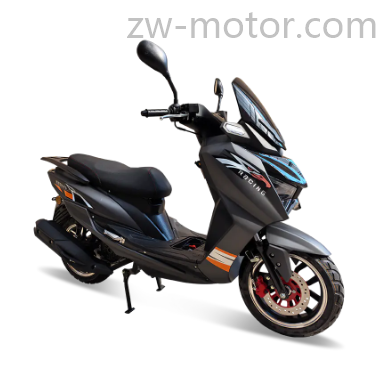
International scooter procurement requires careful consideration of product specifications, manufacturing capabilities, quality management, and delivery arrangements. Importers and wholesalers need a supplier that can provide suitable models while maintaining consistent production and clear communication. A China Scooter Factory may offer access to different vehicle configurations and manufacturing resources, but buyers should assess the factory according to their intended market, order volume, and technical requirements.
Product selection should begin with customer demand. Some markets prioritize compact vehicles for everyday transportation, while others may prefer different styling, engine configurations, or equipment. Buyers should compare available models based on their intended application, local road conditions, and customer preferences. Technical specifications, product photographs, and sample inspections can help importers understand the differences between models before confirming an order.
Engine configuration is one of the most important purchasing considerations. Buyers should confirm engine displacement, rated power, fuel system, cooling method, and other relevant technical details for each selected model. Different configurations may serve different market segments, so product selection should reflect local demand and applicable regulations. Written specifications should be included in the purchasing documents to ensure that the delivered products match the approved configuration.
Manufacturing capability influences production consistency and delivery reliability. Importers can ask about assembly workflows, component sourcing, production scheduling, and inspection procedures. It is also useful to understand how the factory manages defects and controls changes to approved specifications. A supplier with documented production procedures can provide better visibility into manufacturing and help reduce unexpected differences between samples and bulk orders.
Component quality is equally important. Frames, braking systems, tires, suspension components, lighting, electrical assemblies, and engine parts should meet the requirements of the selected model. Buyers should clarify which components are included as standard and which may be customized. If alternative parts are proposed because of supply conditions, the factory should explain the differences and obtain approval before introducing changes to the order.
Customization can help distributors develop products that better match their local customers. Depending on the factory's capabilities, options may include body colors, branding, decals, seat finishes, accessories, and packaging. OEM projects should have written specifications covering every approved change. Buyers should also confirm minimum order quantities, artwork requirements, sample approval procedures, and the effect of customization on production costs and delivery schedules.
Quality assurance should be integrated throughout manufacturing. Incoming component inspections help identify unsuitable materials before assembly. Production checks can verify installation quality, while finished-product inspections can assess appearance, operation, and packaging. Buyers should establish clear acceptance criteria before production starts. For larger orders, independent pre-shipment inspection may provide additional confirmation that the products match the agreed specifications.
Export preparation requires coordination between the supplier and importer. Packaging should be suitable for the chosen shipping method, and order documents should accurately describe the goods. Depending on the destination, additional requirements may involve emissions standards, vehicle safety, labeling, customs documentation, and registration. Importers should verify the applicable rules for each model and confirm which supporting documents are available before arranging shipment.
Total procurement cost should be calculated beyond the initial unit quotation. Packaging, inland transportation, international freight, insurance, customs duties, inspection, and spare parts may all affect the final landed cost. Buyers should compare suppliers using equivalent product specifications and delivery terms. They should also confirm payment conditions, production lead times, warranty arrangements, and after-sales support.
A successful supplier relationship depends on communication throughout the purchasing process. Both parties should maintain records of approved specifications, samples, production changes, and delivery arrangements. These records are useful for repeat orders and help reduce misunderstandings when products are updated or reordered. Clear procedures for defect reporting and spare-parts supply can also support long-term distribution.
Selecting a China Scooter Factory involves balancing product suitability, manufacturing consistency, customization options, and export coordination. A structured evaluation helps buyers make informed sourcing decisions and develop more predictable procurement arrangements. To review available scooter and motorcycle products and discuss wholesale cooperation, visit https://www.zw-motor.com/product/scooter-motorcycle/.

 English
 Arabic
 French
 Spanish
 Portuguese
 Deutsch
 Dutch
 Italiano
 Russian
 Romaian
 Portuguese (Brazil)
 Greek
