


Battery Energy Storage in Pakistan: Is It the End of the Generator Era?
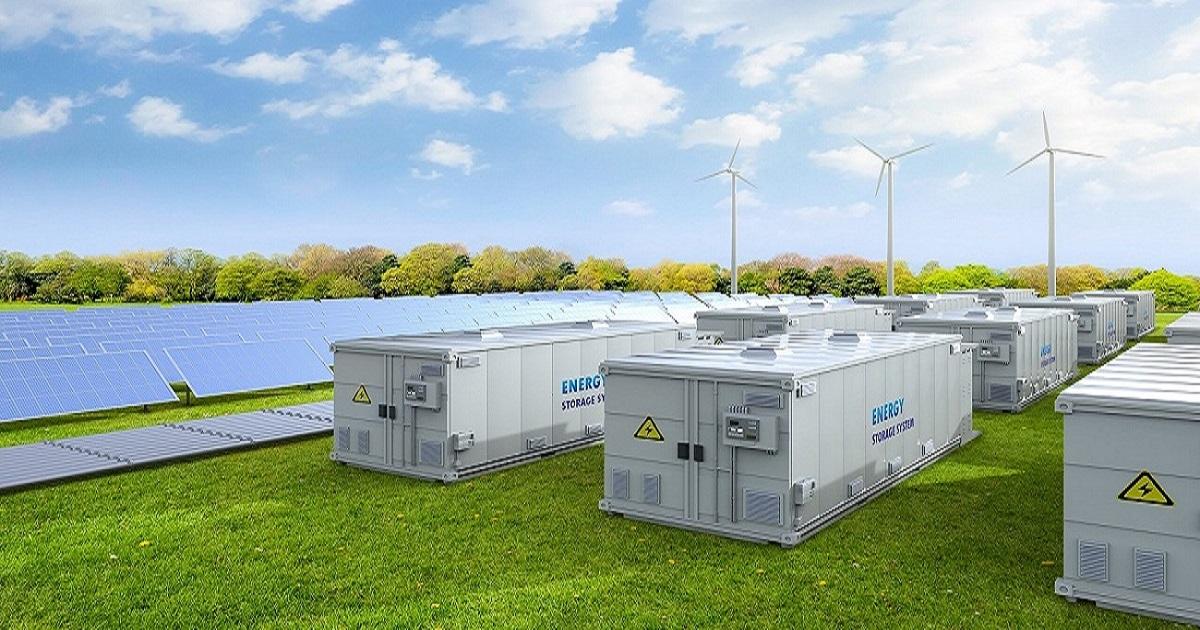
If you live in Lahore, Karachi, Faisalabad, or a small town like Mian Channu, you know the sound: a diesel generator coughing to life when the lights go out. For decades, that sound has been the soundtrack of Pakistani homes, shops, and factories. But it is getting quieter. Rooftop solar panels have spread across our cities, and the next step is already arriving: Battery Energy Storage in Pakistan is moving from a niche technology to a serious everyday option.
So, are generators finished? Not entirely. But the balance is shifting fast. This guide explains how the Battery Energy Storage in Pakistan works, what it costs, where it makes sense, and where a generator still earns its place.
Why Pakistan Is Rethinking Backup Power
Pakistan's power problem was never only about shortage. It is about unreliability and rising cost. Households and businesses face scheduled and unscheduled outages, voltage fluctuations, and tariffs that keep climbing because of fuel costs, capacity payments, and taxes.
A generator seems like the simple answer, but it brings its own headaches:
-
Fuel costs: Diesel and petrol prices swing with the exchange rate and global oil markets.
-
Maintenance: Oil changes, filters, and repairs add up quietly.
-
Noise and fumes: Neighbours complain, and indoor air quality suffers.
-
Switchover delay: Even with an automatic changeover, there is a gap that can damage sensitive electronics.
Add to this the changing rules for selling surplus solar power back to the grid. With buyback rates now far lower than what consumers pay for grid electricity, storing your own solar energy is becoming more attractive than exporting it.
How Battery Energy Storage Actually Works
Think of a battery system as a power bank for your entire building. It stores electricity when it is cheap or abundant, such as during sunny afternoons, and releases it when the grid fails or tariffs peak.
A typical setup has four parts:
-
Battery bank: Usually lithium iron phosphate (LiFePO4) in modern installations.
-
Hybrid inverter: Manages solar input, battery charging, and grid connection.
-
Battery management system (BMS): Protects cells from overheating, overcharging, and deep discharge.
-
Solar panels (optional but ideal): The free fuel source that recharges the system.
When the grid trips, a well-designed system switches over in milliseconds. Your fans, lights, and computers do not even flicker.
Lithium vs. Lead-Acid: Which Is Better for Pakistani Conditions?
Many Pakistanis still use tubular lead-acid batteries because they are familiar and cheap upfront. However, lithium has clear advantages for our hot climate and frequent cycling:
-
Longer life: Lithium often delivers several thousand cycles, versus a few hundred to around a thousand for lead-acid.
-
Deeper usable capacity: You can use most of the stored energy without damaging the battery.
-
Heat tolerance: Better performance in summer, though ventilation still matters.
-
Low maintenance: No distilled water top-ups or terminal corrosion.
The upfront price is higher, but over five to eight years, lithium usually costs less per unit of energy delivered.
Battery Energy Storage in Pakistan vs. Generators: A Cost Comparison
Here is where the real debate lies. A generator is cheap to buy and expensive to run. A battery system is the opposite. A fair comparison needs to look at total cost of ownership, not just the sticker price.
Running Costs
A diesel generator burns fuel every hour it runs. A solar-plus-battery system burns sunlight. If your outages are frequent and long, fuel savings can pay back the investment surprisingly quickly. Commercial users who run generators for several hours daily often see the strongest returns.
Reliability and Lifespan
Generators have moving parts, and moving parts fail, often at the worst possible moment. Batteries have none. With proper installation, a quality lithium system can run for ten years or more with minimal attention.
A Practical Example
Consider a small textile unit in Faisalabad running a 30 kVA generator for four to five hours every day. Between diesel, servicing, and downtime, the monthly cost is substantial. By pairing solar panels with a right-sized battery bank, the same unit can cover its critical loads, such as lighting, computers, and light machinery, without starting the generator at all on most days. The generator stays as a rarely used insurance policy rather than the main supplier.
This hybrid logic is the key insight: you do not have to choose between extremes.
Where Battery Energy Storage Pakistan Makes the Most Sense
Not every building needs the same solution. Here is where storage delivers the strongest value.
Homes and Apartments
For a typical urban home, a battery that covers fans, LED lights, a refrigerator, Wi-Fi, and a few laptops can ride through most outages. Running air conditioners entirely on batteries is possible, but it requires a much larger and costlier system.
Shops, Clinics, and Offices
Small businesses lose money every minute the power is off. Clinics need refrigeration for medicines and vaccines. Retail shops need point-of-sale systems and lighting. Storage keeps these essentials alive without noise or fumes.
Factories and Industrial Units
Industries can use storage for peak shaving, which means drawing from batteries when grid tariffs are highest, and for protecting sensitive machinery from voltage dips. This is where professional engineering becomes critical, and where firms such as Alpine Industrial Con add value by designing systems around actual load profiles rather than guesswork.
Farms and Rural Areas
Tubewells and cold storage in rural Punjab and Sindh depend on unreliable supply. Solar with storage can stabilise irrigation schedules and reduce dependence on diesel pumps.
Is It the End of the Generator Era? The Honest Answer
Generators are not disappearing tomorrow, but their role is changing from primary source to last-resort backup. Here is a realistic picture:
-
Small homes and shops: Batteries will likely replace generators entirely in the coming years.
-
Medium businesses: Hybrid setups, with batteries handling daily needs and a generator for extreme events.
-
Heavy industry: Generators remain useful for very large, continuous loads, though batteries increasingly trim their runtime.
The trend is clear. Each year of falling lithium prices and rising fuel costs pushes the balance further toward storage.
Challenges You Should Know About
A trustworthy guide must mention the downsides too.
-
High upfront cost: Financing options are improving, but capital is still a barrier for many families.
-
Quality varies widely: The market is flooded with unbranded batteries and inverters. Cheap units may lack a proper BMS or use inflated capacity ratings.
-
Heat management: Batteries installed in sun-baked rooms with no airflow will age faster.
-
Skilled installation: A poorly wired system is a fire and safety risk.
-
Policy uncertainty: Rules on solar and grid interaction have changed repeatedly, so check current regulations before investing.
The generator will not vanish overnight, but its dominance is ending. Rising fuel prices, unreliable supply, changing solar buyback rules, and falling lithium costs are making Battery Energy Storage in Pakistan a practical answer for homes, businesses, and industries alike. The smartest approach today is not to rip out your generator in a rush, but to build a hybrid system, let batteries carry the daily load, and keep the generator for rare emergencies.
FAQs
1. How long can a home battery run my appliances during load shedding?
It depends on battery capacity and your load. A 5 kWh lithium battery can typically run lights, fans, a fridge, and a router for several hours. Adding an air conditioner shortens that time dramatically, so size your system for your real usage.
2. Is a lithium battery better than a tubular lead-acid battery in Pakistan?
For most users, yes. Lithium lasts longer, handles deeper discharge, tolerates heat better, and needs almost no maintenance. Lead-acid is cheaper upfront but usually needs replacing sooner.
3. Can I run an air conditioner on a battery backup?
Yes, but it requires a larger inverter and battery bank. Inverter-type ACs are more efficient and better suited to battery operation. Many households power ACs from solar in the daytime and use batteries for lighter loads at night.
4. Do I need solar panels to use a battery system?
No. A battery can charge from the grid when power is available. However, pairing it with solar removes fuel and electricity costs, which greatly improves the payback.
5. How long does a quality battery system last?
A good lithium system can last eight to fifteen years, depending on cycle count, temperature, and quality. Always confirm cycle-life ratings and warranty terms before buying.

 English
 Arabic
 French
 Spanish
 Deutsch
 Turkish
 Dutch
 Italiano
 Russian
 Romaian
 Portuguese (Brazil)
 Greek
