


How Long Does It Take to Notice Changes After Stem Cell Therapy?
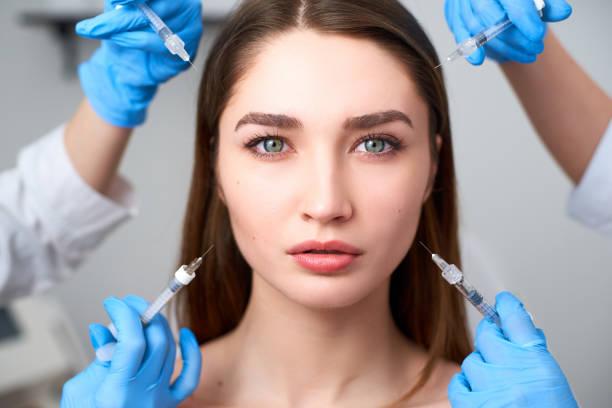
Understanding when to expect visible changes after a cosmetic procedure is an important part of making an informed treatment decision. People exploring regenerative approaches often want to know how quickly improvements may appear and how long results might take to develop. stem cell therapy in saudi arabia has gained attention for its potential relationship with cellular communication and tissue repair, but the timeline for noticeable changes depends on the exact treatment, the material used, and individual skin or tissue conditions. Since regenerative procedures are not standardized, there is no universal schedule for visible results.
Understanding How Stem Cell Therapy Works
Stem cells are specialized cells that can renew themselves and develop into certain cell types under appropriate conditions. They can also release signaling molecules that influence surrounding cells and biological processes.
In regenerative medicine, researchers investigate how these properties may relate to tissue maintenance, inflammation, and repair. However, treatments described as stem cell therapy can involve different approaches. Some use living cells, while others contain cell-derived substances such as growth factors and other signaling molecules.
These approaches have different mechanisms and levels of clinical evidence. Therefore, the expected timeline should always be discussed in relation to the specific procedure rather than relying on general claims about stem cell treatments.
When Might Initial Changes Become Noticeable?
The timing of changes varies according to the treatment method and the concern being addressed. Some procedures may cause temporary redness or swelling shortly after application, but these immediate reactions should not be confused with meaningful improvements in skin quality or tissue function.
Immediately After the Procedure
Depending on the application method, individuals may experience temporary redness, tenderness, swelling, or mild bruising. These effects are generally related to the procedure itself and do not necessarily indicate that regenerative processes are producing visible results.
During the Early Recovery Period
The skin or treated area may gradually return to its usual condition as temporary procedure-related effects settle. The recovery period depends on the technique, treatment area, and individual healing response. Patients should follow the aftercare instructions provided by their practitioner.
Over the Following Weeks or Months
Some regenerative procedures are intended to influence biological processes that may take time to develop. However, the timing and extent of any visible changes are not established for all stem cell-based cosmetic treatments. Patients should avoid assuming that improvements will appear within a specific number of days or weeks.
Factors That Influence the Treatment Timeline
Stem Cell Therapy in Riyadh may be discussed for different aesthetic and regenerative purposes, but the time required to notice changes can vary considerably. Several factors may influence the experience.
Type of Product or Procedure
Living cell-based interventions and treatments using cell-derived substances are different approaches. Their preparation, biological activity, and application methods can vary, which means their expected outcomes and timelines should not be treated as identical.
Individual Skin or Tissue Condition
The condition being treated can influence how the body responds. For example, concerns involving fine lines, uneven texture, or tissue damage may require different assessment and treatment strategies. The severity and underlying cause of the concern are also important.
Age and General Health
Age, overall health, medical history, and individual healing characteristics may influence recovery. Existing skin conditions and certain medications can also affect treatment decisions and should be discussed during consultation.
Treatment Technique and Product Quality
The source, processing, storage, and handling of the material are important considerations. The practitioner’s qualifications and the procedure used can also influence safety and treatment experience.
What Changes Might Be Evaluated After Treatment?
The type of outcome being assessed depends on the reason for considering the procedure. In aesthetic settings, practitioners may evaluate selected features of skin appearance, but improvements should not be assumed or guaranteed.
Skin Texture and Smoothness
Uneven texture can result from acne scars, sun damage, enlarged pores, or dryness. Researchers are investigating whether certain regenerative approaches may influence tissue repair and skin-related cellular pathways. However, reliable improvements in texture have not been established for every treatment.
Fine Lines and Skin Firmness
Collagen contributes to the skin's structural support and firmness. Some research examines whether cell-derived signals may influence collagen-related biological processes. Nevertheless, there is insufficient evidence to promise predictable wrinkle reduction or skin tightening from all stem cell-based procedures.
Scalp and Hair-Related Concerns
Regenerative research also explores the biological processes involved in hair follicle function. However, evidence for reliable hair restoration through stem cell-based cosmetic treatments remains limited. Hair loss should first be assessed to identify its cause and appropriate treatment options.
How to Monitor Progress Responsibly
Patients considering a regenerative procedure should discuss how progress will be evaluated before treatment begins. A structured assessment can help distinguish actual changes from temporary effects or differences in lighting and photography.
Useful approaches may include:
-
Initial assessment: Record the condition of the treated area before the procedure.
-
Consistent photographs: Use similar lighting, angles, and conditions when comparing appearance over time.
-
Follow-up appointments: Attend recommended reviews so the practitioner can assess recovery and any changes.
-
Realistic expectations: Understand that some treatments have limited evidence and may not produce visible improvements.
-
Symptom monitoring: Report unexpected pain, worsening redness, swelling, discharge, or other concerning symptoms promptly.
Patients should not repeat a procedure simply because visible changes have not appeared within an assumed timeframe. Any decision about further treatment should follow a professional assessment.
Possible Side Effects During the Recovery Period
Temporary redness, swelling, tenderness, and bruising may occur depending on the procedure. Other possible complications include infection, inflammation, allergic reactions, and unexpected tissue responses.
Patients should understand the product being used, its source, processing standards, and regulatory status. They should also receive clear aftercare instructions and information about symptoms that require medical attention. Severe or worsening symptoms should be assessed promptly by a healthcare professional.
Frequently Asked Questions
How soon can visible changes appear after stem cell therapy?
There is no universal timeline. It depends on the exact procedure, product, treatment purpose, and individual response. Some procedures have limited evidence for predictable cosmetic improvements.
Do results appear immediately after treatment?
Temporary redness or swelling may appear immediately, but these are procedure-related effects rather than proof of improvement.
Can results develop gradually?
Some regenerative approaches are designed to influence biological processes that may take time. However, the timing and extent of visible benefits have not been established for many cosmetic applications.
What should I do if I do not notice any improvement?
Discuss your concerns with the treating practitioner. They can review the original treatment goals, assess the treated area, and explain whether further evaluation or an alternative approach is appropriate.
Discuss Treatment Expectations at Royal Clinic Saudia
Understanding the possible recovery process and realistic timeline is important before choosing any regenerative procedure. Individuals considering Stem Cell Therapy in Riyadh should receive clear information about the exact treatment, available clinical evidence, potential risks, and expected follow-up. At Royal Clinic Saudia, patients can discuss their aesthetic concerns, receive an individualized assessment, and explore appropriate options based on their needs and medical considerations.

 English
 Arabic
 Spanish
 Portuguese
 Deutsch
 Turkish
 Dutch
 Italiano
 Russian
 Romaian
 Portuguese (Brazil)
 Greek
