


Echocardiography Test in Bangalore: What to Expect
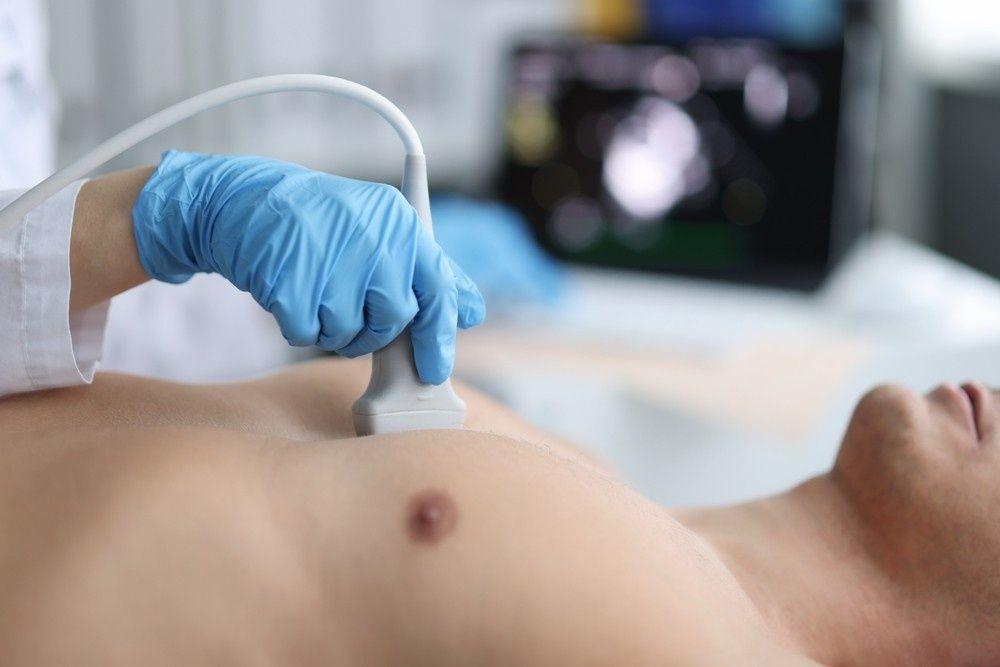
Heart health plays an important role in overall well-being, and identifying potential problems early can help people make informed healthcare decisions. An Echocardiography Test in Bangalore is a commonly recommended investigation that allows doctors to examine the heart's structure, movement, and pumping function. Whether someone experiences unexplained breathlessness, chest discomfort, or an irregular heartbeat, this examination can provide valuable clinical information. For those exploring echocardiography services in Bangalore, understanding the procedure, its benefits, and preparation requirements can make the experience more comfortable and less confusing.
What Is an Echocardiography Test and How Does It Work?
Echocardiography, commonly called an echo test, is a non-invasive imaging procedure that uses high-frequency sound waves to create moving pictures of the heart.
A handheld device called a transducer sends sound waves through the chest. These waves bounce off the heart structures and return to the device, allowing a computer to produce detailed images.
Doctors use these images to examine several aspects of heart health, including:
-
The size and shape of the heart chambers.
-
The movement and thickness of heart walls.
-
The functioning of heart valves.
-
The heart's pumping ability.
-
Blood flow through different parts of the heart.
Unlike certain other imaging procedures, a standard echocardiogram does not use ionising radiation. The examination is generally painless and does not require surgery or injections.
When Do Doctors Recommend an Echocardiography Test in Bangalore?
An echocardiogram may be recommended when a doctor wants to investigate symptoms or assess an existing heart condition. It is also useful for monitoring patients who need regular cardiovascular evaluation.
Some common reasons include:
Unexplained Breathlessness
Shortness of breath during everyday activities or while lying down can sometimes be associated with heart-related conditions. An echocardiogram helps doctors assess heart function and identify certain structural abnormalities.
Chest Discomfort and Heart Symptoms
Although chest pain can have several causes, doctors may recommend an echo examination when they need to evaluate heart structure, movement, or pumping function.
Irregular Heartbeat
Patients experiencing palpitations or an irregular heartbeat may require further assessment. An echocardiogram can help identify structural problems that might contribute to certain rhythm-related conditions.
Heart Valve Problems
Heart valves control the direction of blood flow through the heart. Imaging helps doctors assess whether these valves open and close properly or show signs of narrowing or leakage.
Monitoring Existing Heart Conditions
People with diagnosed heart conditions may need periodic examinations to monitor changes in heart function and evaluate their response to treatment.
An echo test is not a replacement for an ECG or other cardiac investigations. Doctors select tests according to the patient's symptoms and medical history.
Different Types of Echocardiography Examinations
Not every patient requires the same type of heart imaging. The doctor decides which examination is appropriate based on the clinical question.
1. Transthoracic Echocardiogram (TTE)
This is the most common type. A transducer is moved across the chest to capture images of the heart. It is non-invasive and generally takes around 20–60 minutes.
2. Transesophageal Echocardiogram (TEE)
In this procedure, a specialised probe is guided into the oesophagus to obtain closer images of the heart. It may be recommended when standard imaging does not provide sufficient detail.
3. Stress Echocardiogram
This examination evaluates how the heart functions during physical exercise or after medication that increases the heart's workload. It may help investigate certain heart-related symptoms.
The choice of examination depends on the patient's condition, symptoms, and doctor's recommendation.
How to Choose the Right Centre for an Echocardiography Test in Bangalore
Bangalore has diagnostic facilities offering different cardiac investigations. Before booking an appointment, consider a few important factors rather than choosing a centre based only on distance or cost.
-
Qualified professionals: Check whether the examination is performed by trained cardiac imaging professionals and interpreted by an appropriately qualified doctor.
-
Equipment quality: Ask whether the facility has suitable echocardiography equipment for the prescribed examination.
-
Reporting standards: Understand how reports are prepared and when the results will be available.
-
Accessibility: Consider travel time, parking, and public transport facilities, particularly if the patient has mobility difficulties.
-
Transparent pricing: Confirm the examination fee and whether additional services involve extra charges.
-
Patient guidance: Choose a facility that explains the procedure and provides clear preparation instructions.
When comparing options for an Echocardiography Test in Bangalore, reliable reporting and professional expertise should remain important considerations.
How Should You Prepare for the Examination?
Preparation depends on the type of echocardiogram being performed.
For a standard transthoracic examination, special preparation is usually unnecessary. Patients can generally eat and drink normally and continue their prescribed medicines unless their doctor advises otherwise.
Before your appointment:
-
Carry your doctor's prescription and previous cardiac reports.
-
Inform the healthcare team about existing medical conditions.
-
Wear comfortable clothing that allows easy access to the chest area.
-
Ask whether fasting is necessary for your particular examination.
-
Follow any additional instructions provided by the diagnostic centre.
For transesophageal or stress echocardiography, specific preparation may be required. Always follow the instructions given by your healthcare provider.
What Happens During and After the Scan?
During a standard examination, you will usually lie on an examination table, sometimes positioned slightly on your side. A small amount of gel is applied to the chest, and the technician moves the transducer across different areas to capture images.
You may be asked to change positions or briefly hold your breath to obtain clearer images.
Once the examination is complete, the images are reviewed and interpreted by a qualified professional. Your doctor will explain the findings and discuss whether further investigations or treatment are necessary.
The results should always be considered alongside symptoms, medical history, and other relevant tests.
Conclusion
Understanding heart health begins with recognising symptoms and seeking appropriate medical advice. An Echocardiography Test in Bangalore can provide valuable information about heart structure, valve function, and pumping efficiency, helping doctors make informed clinical decisions. Before choosing a diagnostic facility, consider professional expertise, equipment, reporting arrangements, accessibility, and patient guidance. Being familiar with the procedure and following preparation instructions can make your appointment more straightforward and comfortable.
Frequently Asked Questions
1. Is an echocardiogram painful?
No. A standard examination is generally painless. You may experience slight pressure when the transducer moves across your chest.
2. How long does a heart ultrasound take?
A routine examination usually takes approximately 20–60 minutes, depending on the images required and the patient's condition.
3. Can I eat before my appointment?
For a standard examination, fasting is generally unnecessary. However, certain specialised procedures may require fasting.
4. Is an echocardiogram the same as an ECG?
No. An ECG records the electrical activity of the heart, whereas an echocardiogram uses sound waves to produce images of its structure and movement.
5. How often should someone undergo this examination?
There is no fixed schedule for everyone. The frequency depends on symptoms, medical history, diagnosed conditions, and the treating doctor's recommendation.

 English
 Arabic
 French
 Spanish
 Portuguese
 Deutsch
 Dutch
 Italiano
 Russian
 Romaian
 Portuguese (Brazil)
 Greek
