


MRI Scan Services in Bangalore: Making Informed Choices
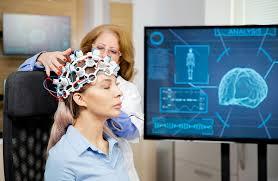
When a doctor recommends an MRI, it is natural to have questions about the procedure, preparation, and where to get it done. Finding reliable MRI Scan Services in Bangalore can make the experience more convenient and less stressful. Magnetic Resonance Imaging (MRI) provides detailed images of internal body structures, helping doctors investigate a wide range of medical conditions. Whether you need an examination of the brain, spine, joints, or another body part, understanding the process can help you prepare. Exploring MRI scan facilities in Bangalore is a useful starting point when comparing diagnostic options.
What Is an MRI Scan and How Does It Work?
Magnetic Resonance Imaging is an advanced diagnostic technique that uses a strong magnetic field and radio waves to create detailed images of organs, tissues, and other internal structures.
Unlike conventional X-rays and CT scans, MRI does not use ionising radiation. It is particularly useful for examining soft tissues, including the brain, spinal cord, muscles, ligaments, and internal organs.
During the examination, you lie on a movable table that slides into the MRI scanner. The machine captures images while you remain still. Some scans may involve a contrast agent to make particular structures easier to assess.
The procedure is generally painless, although the scanner can produce loud knocking sounds. Earplugs or headphones are usually provided to reduce discomfort.
Why Do Doctors Recommend MRI Scan Services in Bangalore?
Doctors may recommend an MRI when they need more detailed information than other imaging methods can provide. The examination depends on your symptoms, medical history, and suspected condition.
Common applications include:
Brain and Neurological Imaging
Brain MRI can help investigate persistent headaches, seizures, neurological symptoms, suspected strokes, and certain abnormalities affecting brain structures.
Spine and Back Problems
MRI is commonly used to examine spinal discs, nerves, and surrounding soft tissues. It may help identify slipped discs, spinal narrowing, nerve compression, and other conditions associated with back or neck pain.
Joint and Sports Injuries
For people experiencing knee, shoulder, ankle, or other joint problems, MRI can provide detailed images of ligaments, cartilage, tendons, and muscles.
Abdominal and Pelvic Investigations
Doctors may recommend MRI to assess selected abdominal and pelvic organs, investigate certain abnormalities, or obtain additional information following other imaging tests.
The choice of examination should always be based on medical advice rather than personal preference.
How to Choose the Right MRI Diagnostic Centre
Bangalore has several diagnostic facilities offering advanced imaging. However, selecting a suitable centre requires looking beyond convenience and advertised prices.
When comparing MRI Scan Services in Bangalore, consider these important factors:
-
Qualified professionals: Check whether trained radiographers perform the examination and qualified radiologists interpret the images.
-
Equipment quality: Ask about the scanner and whether it is appropriate for your prescribed examination.
-
Patient safety: The centre should follow proper screening procedures for implants, medical devices, and other MRI-related safety concerns.
-
Reporting standards: Understand who prepares the report and when the results will be available.
-
Transparent pricing: Confirm the total examination cost, including any additional charges for contrast or specialised imaging.
-
Accessibility: Consider location, parking, public transport, and appointment availability.
A reliable facility should also explain the procedure clearly and allow patients to discuss concerns before the examination.
How to Prepare for Your MRI Appointment
Preparation depends on the body part being examined and whether contrast material is required. Following the diagnostic centre's instructions can help avoid unnecessary delays.
Before your appointment, remember these practical steps:
-
Share your medical history: Inform the staff about previous surgeries, implants, pacemakers, and any implanted medical devices.
-
Mention pregnancy: Tell your doctor and the imaging team if you are pregnant or might be pregnant.
-
Discuss kidney-related concerns: If contrast is planned, provide information about kidney problems, previous contrast reactions, and relevant medical conditions.
-
Remove metal objects: Jewellery, watches, hairpins, and other metallic accessories generally need to be removed before entering the scanning room.
-
Carry previous reports: Earlier scans and medical records may help the radiologist understand your clinical history.
-
Follow fasting instructions: Some examinations require fasting, particularly when specific preparation or sedation is involved.
Never assume an implant is MRI-safe. The imaging team must verify its compatibility before proceeding.
Is an MRI Scan Safe?
MRI is generally considered a safe imaging method when appropriate screening and safety procedures are followed. Since it does not use ionising radiation, it offers an alternative to radiation-based imaging for many clinical situations.
However, the strong magnetic field creates specific safety considerations. Certain implants, metallic fragments, and medical devices may pose risks or require special assessment.
Some patients may also experience discomfort because of the enclosed scanner or loud sounds. If you have claustrophobia, inform the staff beforehand. They may discuss suitable options to make the examination more comfortable.
Contrast agents are used only when clinically indicated. Your healthcare team will assess relevant risks before recommending them.
What Happens After the MRI Examination?
Once the scanning process is complete, the captured images are reviewed by a radiologist. A written report is then prepared to describe the findings.
Reporting time varies depending on the examination, complexity, and diagnostic centre's workflow.
Your treating doctor will explain the results and determine whether additional investigations, medication, therapy, or specialist consultation is necessary.
It is important to remember that an MRI report is only one part of the diagnostic process. The findings must be considered alongside your symptoms, examination results, and medical history.
When evaluating MRI Scan Services in Bangalore, ask about image access, report delivery, and whether previous scans can be compared when necessary.
Conclusion
An MRI examination can provide valuable information when doctors need detailed images of internal body structures. Choosing an appropriate diagnostic facility involves considering professional expertise, equipment, patient safety, transparent pricing, and reporting arrangements. Before booking MRI Scan Services in Bangalore, confirm the examination recommended by your doctor and discuss any medical or safety concerns with the imaging team. A little preparation and the right information can make your diagnostic experience more comfortable and straightforward.
Frequently Asked Questions
1. How long does an MRI examination take?
Most examinations take approximately 20–60 minutes, depending on the body part and imaging requirements.
2. Is an MRI scan painful?
No. The procedure itself is generally painless. However, remaining still for an extended period may cause some discomfort.
3. Can I eat before an MRI appointment?
Many routine examinations do not require fasting. However, certain scans may have specific preparation requirements.
4. When will I receive my MRI report?
The reporting time varies by diagnostic centre and examination complexity. Confirm the expected timeline when scheduling your appointment.
5. Can everyone undergo an MRI?
Not necessarily. Certain implants, metallic fragments, and medical devices may affect eligibility. Proper safety screening is essential before the examination.

 English
 Arabic
 French
 Spanish
 Portuguese
 Deutsch
 Dutch
 Italiano
 Russian
 Romaian
 Portuguese (Brazil)
 Greek
