


How to Grow More Fresh Food in a Small Backyard Greenhouse
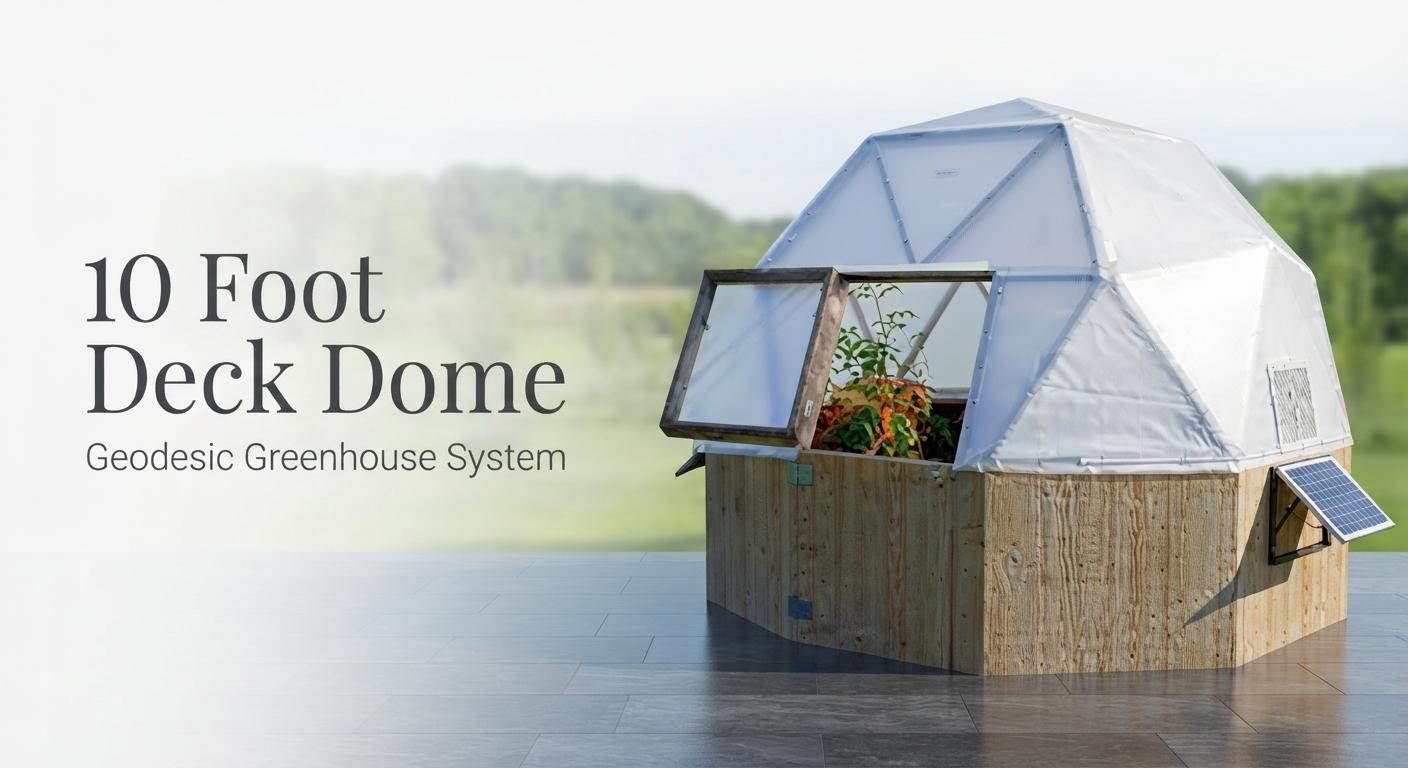
Growing fresh vegetables at home does not require a large garden or extensive outdoor space. A 10 Ft Dome Greenhouse can provide a compact growing environment where homeowners cultivate herbs, leafy greens, and selected vegetables throughout different seasons. With thoughtful plant selection and an organized layout, even a small backyard structure can support a useful supply of fresh ingredients.
The key is to make every growing area productive without overcrowding plants or making daily maintenance difficult. From choosing suitable crops to managing sunlight and watering, a few practical decisions can help homeowners get more value from a compact greenhouse.
1. Choose Crops That Produce Well in Limited Space
The first step toward growing more food is selecting plants that suit the available space. Large vegetables with spreading branches may occupy too much room, while compact varieties and leafy crops can produce useful harvests without requiring extensive planting areas.
Lettuce, spinach, kale, radishes, and herbs such as basil and parsley are practical choices for many small greenhouse gardens. Cherry tomatoes and compact pepper varieties may also work when sufficient sunlight, support, and root space are available.
Consider these factors when selecting crops:
-
Growth habits: Choose compact plants that will not overwhelm nearby growing areas.
-
Harvest frequency: Prioritize crops that allow repeated harvesting.
-
Growing seasons: Select varieties suited to the temperatures and conditions you can maintain.
-
Household needs: Grow vegetables and herbs that your family regularly uses.
-
Maintenance requirements: Begin with crops that match the time available for daily care.
A smaller selection of productive plants can often provide better results than attempting to grow too many varieties in a limited area.
2. Organize the Growing Space Efficiently
A small greenhouse requires careful organization because every planting area has a purpose. Before introducing plants, decide where containers, growing beds, shelves, and essential supplies will be placed.
The 10 Foot Deck Dome Greenhouse can be approached as a compact growing space where vertical and horizontal areas serve different purposes. Keep frequently accessed plants within easy reach and avoid placing containers where they obstruct movement.
Use a simple layout that includes:
-
A central access area for watering and harvesting.
-
Containers for herbs and smaller vegetables.
-
Shelving for seedlings and lightweight supplies.
-
Suitable space for taller plants that need support.
-
Accessible areas for watering and maintenance equipment.
Avoid filling every available section with plants. Leaving enough room to reach containers, inspect leaves, and harvest vegetables makes the greenhouse easier to manage.
3. Make Better Use of Vertical Growing Space
Vertical gardening is particularly useful when floor space is limited. Instead of arranging every plant at ground level, homeowners can use suitable shelves, hanging containers, or supports to accommodate additional crops.
Herbs and small leafy greens can be placed on appropriate shelves, while climbing vegetables may benefit from trellises when the structure and available space allow them. Supporting suitable plants vertically can reduce crowding and improve access to the growing area.
However, consider the mature size and weight of plants before choosing their positions. Heavy containers should be placed on stable surfaces, and shelves or supports must be appropriate for their intended loads.
Also remember that upper shelves may receive different amounts of sunlight from lower planting areas. Arrange crops according to their light requirements rather than simply filling empty spaces.
4. Maintain Suitable Sunlight and Temperature
Sunlight is essential for plant development because it provides the energy required for photosynthesis. Different vegetables have different light requirements, so selecting crops that match the available sunlight is important.
Observe the backyard location before positioning a greenhouse. Nearby walls, trees, fences, and buildings may create shade during certain hours. Consider how sunlight changes throughout the day and across different seasons.
Temperature management is equally important. A covered greenhouse can become warmer than the surrounding outdoor environment, particularly during sunny weather. Excessive heat may cause wilting, poor flowering, or reduced production in sensitive crops.
Ventilation openings can help release warm air, while suitable shading may be necessary during hotter periods. Monitor conditions regularly and select plants that can tolerate the local climate.
5. Use Containers and Growing Media Carefully
Containers offer flexibility in a compact greenhouse because they can be arranged according to plant size and growing requirements. They also make it easier to separate crops with different watering or nutrient needs.
Choose containers with suitable drainage holes and enough depth for the plants being cultivated. Leafy greens and many herbs can grow in relatively shallow containers, while tomatoes and peppers generally need more root space.
A quality container growing mix is often more suitable than heavy garden soil. It should provide a balance of drainage, moisture retention, and air circulation around roots.
Mature compost can contribute organic matter and nutrients, but avoid adding excessive amounts without considering the growing mix and crop requirements.
Keep containers clean and check drainage regularly. Poor drainage can cause water to accumulate around roots and create conditions that interfere with healthy growth.
6. Establish a Consistent Watering Routine
Watering requirements depend on plant variety, container size, growing medium, temperature, and growth stage. Small containers may dry out relatively quickly, especially during warm weather.
Check the growing medium before watering instead of following a fixed schedule. The surface may appear dry while deeper layers still contain sufficient moisture.
Water thoroughly when needed, allowing excess water to drain properly. Avoid leaving containers sitting in standing water, as prolonged saturation can damage roots.
Grouping plants with similar moisture requirements can simplify watering. For example, leafy greens may need more consistent moisture than some herbs that prefer slightly drier conditions between watering sessions.
Regular observation helps identify early signs of water stress and allows adjustments before plant growth is affected.
7. Plan Successive Planting for Regular Harvests
One way to increase the amount of fresh food produced in a small greenhouse is to avoid planting every crop at the same time. Succession planting involves sowing or transplanting smaller batches at planned intervals.
For example, instead of planting all lettuce seeds together, homeowners can start new batches periodically. As earlier plants are harvested, younger plants are already developing for the next harvest.
This approach can help maintain a more consistent supply of vegetables rather than producing everything during one short period.
Keep a simple planting record that includes sowing dates, expected maturity, harvesting periods, and crop performance. These notes can help determine which varieties work best in the available environment.
The 10 Foot Deck Dome is a compact option to consider when planning a dedicated backyard growing area. Its suitability depends on the available deck space, growing goals, and the manufacturer's installation requirements.
8. Monitor Plant Health and Maintain the Greenhouse
Regular maintenance helps protect the time and effort invested in backyard food production. Inspect plants for discolored leaves, unusual spots, insects, and signs of poor growth.
Remove damaged plant material when appropriate and keep containers, tools, and growing areas clean. Check the greenhouse covering, ventilation openings, and other components according to the manufacturer's maintenance guidance.
For a 10 Foot Dome Greenhouse Kit, review the installation instructions and ensure the supporting deck or foundation is suitable for the structure. Proper installation and routine inspection help maintain a practical growing environment.
For homeowners comparing compact greenhouse options, Dome Greenhouses offers different dome structures designed for protected growing. Reviewing the available configurations can help determine which option suits your backyard space and gardening plans.
Final Thoughts
Growing more fresh food in a small backyard greenhouse is possible with thoughtful planning and consistent care. Choosing compact crops, organizing containers, using vertical space, and maintaining suitable growing conditions can help homeowners make better use of limited space.
A 10-foot dome offers an opportunity to create a dedicated growing environment without requiring a large garden area. Start with a manageable selection of vegetables and herbs, monitor their performance, and adjust planting schedules as you gain experience. Small improvements in organization and plant care can make backyard food production more productive over time.
Frequently Asked Questions
1. What vegetables can grow in a small backyard greenhouse?
Lettuce, spinach, radishes, kale, cherry tomatoes, and compact pepper varieties can be suitable choices, depending on available space, sunlight, and growing conditions.
2. Can a 10 Ft Dome Greenhouse provide fresh vegetables for a family?
It can supplement household food needs with herbs, leafy greens, and selected vegetables. The amount produced depends on crop selection, planting density, and growing conditions.
3. How can I maximize space in a compact greenhouse?
Use suitable vertical supports, shelves, compact containers, and succession planting. Keep access areas clear so plants can be maintained and harvested easily.
4. How often should greenhouse vegetables be watered?
Watering frequency varies according to crop type, temperature, container size, and growing medium. Check moisture before watering rather than relying on a fixed schedule.
5. Are herbs suitable for growing in a dome greenhouse?
Yes. Many herbs, including basil, parsley, and cilantro, can grow successfully in suitable containers when they receive appropriate sunlight, water, and nutrients.

 English
 Arabic
 French
 Spanish
 Deutsch
 Turkish
 Dutch
 Italiano
 Russian
 Romaian
 Portuguese (Brazil)
 Greek
