


From Project Requirements to Installation: Choosing Industrial Valves
Planning a dependable pipeline involves understanding how each component will interact with the wider system, from the fluid it carries to the people responsible for maintaining it. In this process, American Standard Valves can provide a useful reference for buyers seeking products designed around recognized American industry requirements. The term is broader than a particular valve style, and its practical meaning depends on the applicable standard, the valve’s intended function, and the project’s technical expectations.
The material conversation often begins with the working environment. Carbon steel is commonly considered for industrial service where strength and suitability for the process are important. Stainless steel may be preferred when corrosion resistance, surface condition, or cleaning practices influence the application. Cast iron and other materials can also be appropriate in selected utility and industrial settings. The right choice is not determined by a material’s reputation alone. Compatibility with the medium, surrounding atmosphere, and expected maintenance practices should be reviewed together. Internal components matter just as much: a body material may suit the environment, while the ball, seat, stem, or sealing elements still require careful matching.
For procurement teams, standards are most helpful when they are connected to specific project requirements. A buyer should identify whether the valve is intended for isolation, flow direction control, or another task before comparing products. The fluid, installation location, operating method, and maintenance access all influence selection. It is also important to clarify which standard applies to the valve’s design, connections, inspection, and documentation. A general label can begin a conversation, but it cannot replace a review of the project’s actual requirements. Clear communication at this stage helps reduce the risk of selecting a product that appears familiar but does not fit the system.
A further consideration is how the valve will connect with surrounding equipment. Compatibility involves more than the connection itself; it also includes the installation arrangement, available working space, and how operators will reach the valve after it is installed. In a replacement project, matching the existing system can simplify planning and reduce disruption. In a new installation, engineers may have greater flexibility to organize piping and access points. Asking a supplier about available configurations and supporting documentation can help the buyer evaluate these practical differences before committing to a purchase.
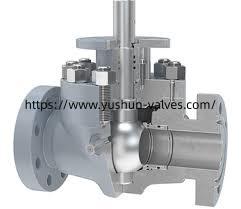
The ball valve provides a useful example of how a simple mechanism can support industrial work. Its internal ball contains a passage that can align with the pipeline or rotate away from it. In the open position, the passage provides a route for fluid; in the closed position, the ball blocks that route and works with the seats to limit flow. This direct movement makes ball valves well suited to many isolation tasks. Their role should still be considered carefully: a valve intended primarily for opening and closing may not be the right choice for every application requiring continuous flow adjustment.
Manufacturing technology helps turn the design into a coordinated working assembly. The body, ball, stem, and sealing surfaces must fit and function together. Machining quality can influence how smoothly components move and how consistently sealing surfaces meet. Assembly practices and inspection also matter because a valve’s performance depends on the interaction of its parts, not on any single feature. In automated systems, an actuator can connect valve movement to a control process. Selecting that arrangement requires consideration of the operating environment, control requirements, and the way maintenance personnel will inspect the equipment.
User experience is often shaped by the small details that appear during daily operation. A clearly positioned operating handle or actuator can help personnel understand how the valve is being controlled. An accessible body arrangement makes inspection and service easier, while understandable product documentation supports correct installation and handling. In facilities where multiple teams share responsibility, clear identification and consistent operating practices can reduce confusion. Maintenance planning should account for the valve’s location and the ability to reach the components that may need attention.
Appearance and physical design also influence how a valve fits into an industrial environment. A compact, orderly form can help organize crowded piping areas, while a clean surface finish can support visual inspection. The shape of the body and the placement of operating components affect how the product is handled and how easily it can be incorporated into nearby equipment. These design details are not simply cosmetic; they contribute to accessibility, clarity, and a more organized installation.
Zhejiang Yushun Valve Co., Ltd. focuses on industrial fluid control and provides valve product information for customers evaluating different applications and configurations. Its product range includes several ball valve designs, giving buyers a starting point for discussing material compatibility, operating needs, and project requirements with a manufacturer. For further information about available products and valve solutions, visit https://www.yushun-valves.com/product

 English
 French
 Spanish
 Portuguese
 Deutsch
 Turkish
 Dutch
 Italiano
 Russian
 Romaian
 Portuguese (Brazil)
 Greek
