


Can a Night Guard Splint Help Prevent Jaw Pain?
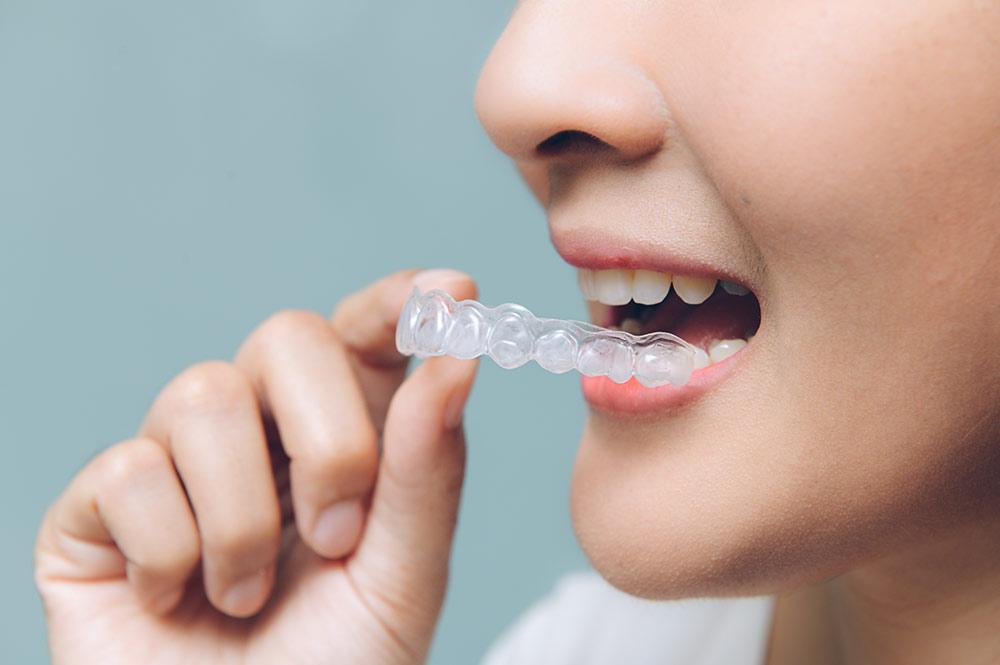
Jaw pain can make everyday activities such as chewing, speaking, and even yawning uncomfortable. For many people, the problem develops because of teeth grinding or clenching, particularly during sleep. These habits place continuous pressure on the teeth, jaw muscles, and temporomandibular joints (TMJ). A Night Guard Splint in dubai can help manage this pressure by creating a protective barrier between the upper and lower teeth. But can wearing one really prevent jaw pain? Understanding how night guards work, who can benefit from them, and how they support oral health can help you make an informed decision.
What Is a Night Guard Splint?
A night guard splint is a dental appliance designed to fit over the upper or lower teeth. It is usually made from durable, comfortable material and is worn while sleeping to reduce the effects of teeth grinding and clenching.
Many people grind their teeth without realizing it because the habit often occurs during sleep. This condition, known as sleep bruxism, can gradually affect the teeth and surrounding muscles.
How Does It Work?
A night guard creates a cushioning layer between the teeth. Instead of allowing direct contact during grinding, it helps protect tooth surfaces from excessive friction and wear.
Depending on its design, a dental splint may also help manage the forces placed on the jaw. A properly fitted appliance can improve comfort for some individuals experiencing symptoms associated with nighttime clenching.
How Can a Night Guard Splint Help Prevent Jaw Pain?
Jaw discomfort often develops when the muscles responsible for chewing remain tense for extended periods. Repeated clenching can cause muscle fatigue, tenderness, and stiffness, particularly in the morning.
A night guard may help reduce some of these problems through several mechanisms.
1. Reduces Pressure on Teeth and Jaw Muscles
During sleep, unconscious grinding can place significant pressure on the teeth and jaw. A night guard provides a protective surface that helps distribute biting forces and prevents direct tooth-to-tooth contact.
This may reduce the strain associated with repeated grinding and improve morning comfort.
2. Protects Against Teeth Grinding
Bruxism can gradually wear down enamel, create small cracks, and increase tooth sensitivity. A night guard helps protect the tooth surfaces by acting as a barrier.
Although it does not necessarily stop the underlying grinding habit, it can minimize some of its damaging effects.
3. Supports Jaw Comfort
People who clench their teeth frequently may experience tightness around the cheeks, temples, and jawline. A properly designed splint can help manage the effects of excessive nighttime pressure.
Some patients notice reduced morning muscle discomfort after consistently wearing a professionally fitted appliance.
What Are the Common Signs You May Need a Night Guard?
Recognizing the symptoms of nighttime teeth grinding is important because early management can help prevent further dental complications.
Common warning signs include:
-
Jaw soreness or stiffness after waking up.
-
Frequent morning headaches.
-
Flattened or worn-down tooth surfaces.
-
Increased tooth sensitivity.
-
Clicking or popping sounds around the jaw.
-
Facial muscle tenderness.
-
Discomfort while chewing.
When Should You Consult a Dentist?
If these symptoms occur regularly, a dental examination can help identify their underlying cause. Jaw pain does not always result from teeth grinding. Dental infections, joint disorders, injuries, and other conditions can produce similar discomfort.
A dentist can assess your bite, examine your teeth, and evaluate your jaw movement before recommending an appropriate treatment.
Different Types of Night Guard Splints
Night guards are available in different designs depending on individual dental needs, comfort requirements, and the severity of grinding.
Soft Night Guards
Soft night guards are generally made from flexible materials. They may be suitable for individuals with mild grinding habits and can feel comfortable for first-time users.
Hard Night Guards
Hard splints are made from more rigid materials and are often recommended for individuals with more significant grinding or clenching problems. They provide a durable protective surface.
Dual-Laminate Night Guards
These appliances combine a softer inner layer with a harder outer surface. This design aims to balance comfort and durability.
A dentist can recommend the most appropriate option after examining your teeth and jaw.
How to Maintain Your Night Guard Splint
Proper maintenance helps keep a dental appliance clean, comfortable, and effective.
Follow these simple care practices:
-
Rinse the appliance with cool or lukewarm water after removing it.
-
Clean it regularly using a soft toothbrush and a recommended cleaning solution.
-
Avoid hot water because excessive heat may change its shape.
-
Store it in a ventilated protective case.
-
Keep it away from pets and direct sunlight.
-
Schedule regular dental checkups to assess its fit and condition.
If your night guard becomes damaged, loose, or uncomfortable, consult your dentist instead of continuing to wear it without evaluation.
Can a Night Guard Splint Completely Eliminate Jaw Pain?
A night guard can help protect teeth and reduce the effects of nighttime grinding, but it does not guarantee complete relief from jaw pain. Its effectiveness depends on the underlying cause of the discomfort.
For example, stress-related clenching, sleep disorders, and temporomandibular joint problems may require additional management. Treatment could involve jaw exercises, physical therapy, stress management, or other dental interventions.
It is also important to understand that a night guard primarily protects the teeth and manages grinding-related forces. It does not necessarily correct bite problems or permanently stop bruxism.
Conclusion
A night guard splint can be a valuable option for individuals experiencing jaw discomfort associated with nighttime teeth grinding and clenching. By providing a protective barrier, it helps reduce direct tooth contact, minimize enamel damage, and manage excessive pressure on the jaw. Choosing the right appliance and maintaining regular dental checkups are essential for achieving the best results. If you frequently wake up with jaw stiffness, headaches, or tooth sensitivity, consulting a dental professional can help identify the cause and determine whether a night guard splint is suitable for your needs.

 English
 Arabic
 French
 Spanish
 Portuguese
 Deutsch
 Turkish
 Dutch
 Italiano
 Russian
 Romaian
 Greek
