


Coffee and Tea Pouch Packaging Guide: Styles, Barriers, Design
Fresh From the Roaster: Choosing Pouches That Protect Flavor and Build a Brand
Anyone who has opened a bag of stale coffee knows how quickly a good product can go wrong. Aroma fades, oils turn rancid, and tea loses its brightness once air and moisture get in. For small roasters, tea blenders, and dry-goods sellers, the package is the last line of defense for flavor. It is also the first thing a shopper sees. Well-chosen custom packaging pouches keep products fresh while giving a young brand a confident, recognizable look. This guide covers why pouches work so well, how to pick the right structure and materials, and how to order without wasting money.
Why Pouches Suit Fresh and Dry Products
Pouches are light, flexible, and efficient. They ship flat before filling, take up little warehouse space, and cost less to freight than jars or tins. They also give you generous printing space, which matters when a shopper decides in seconds. Packaging is a marketing channel in its own right. In Adobe Express's March 2026 survey of 703 online consumers, 42% said they had followed, tagged, or searched for a brand after seeing someone else's unboxing online. A pouch that looks good in a photo can bring in customers you never paid to reach.
Understanding Gusseted Formats
Side Gussets and Flat Bottoms
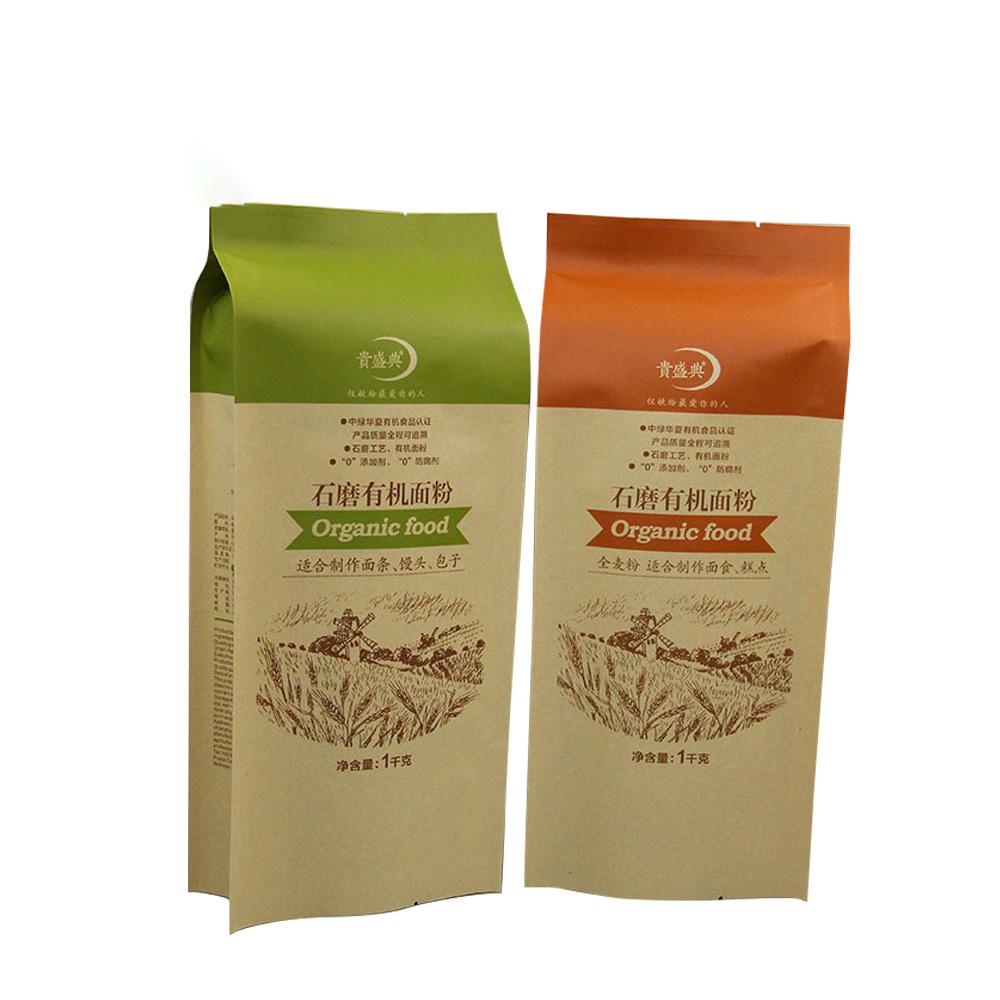
A gusset is a fold in the side or base that lets a pouch expand when filled. Side-gusseted styles are the classic choice for coffee, since they pack tightly for shipping and fill neatly with whole beans. Flat-bottom styles create a boxy shape with five printable panels and sit upright on a shelf without slumping. Custom gusset bags in either format give your product a stable stance and a larger billboard for your logo.
Choosing Between Styles
Side gussets cost a little less and suit high-volume, cost-sensitive lines. Flat-bottom pouches feel more premium and show off the front panel, which helps in crowded retail aisles. Many roasters offer both, using flat-bottom pouches for premium single-origin lots and side-gusseted bags for everyday blends. Ordering custom gusset bags in two sizes first is a sensible way to learn which one your customers prefer.
Materials, Barriers, and Closures
Match the Barrier to the Product
Coffee needs strong protection from oxygen, moisture, and light. Tea and spices benefit from similar barriers, since they absorb odors and lose aroma quickly. Look for multi-layer films with a metallized or foil layer for the best protection, or kraft paper laminates for a natural look with a hidden barrier inside. Ask suppliers for oxygen and moisture transmission ratings, and test your actual product over its shelf life.
Valves, Zippers, and Ties
Freshly roasted coffee releases gas, so a one-way degassing valve lets carbon dioxide out without letting air in. A resealable zipper keeps contents fresh after opening, and a tin tie or tear notch makes the first opening easy. Choose closures based on how customers actually use the product at home.
Food Safety and Sustainability
Anything touching food should meet food-safety standards in your region, so ask suppliers for documentation on films, inks, and adhesives. If sustainability matters to your customers, ask about recyclable mono-material films or compostable options, and be honest about how and where they can be recycled.
Sizing and Fill
A pouch that is too large looks half empty on the shelf, while one that is too small strains the seams and makes sealing difficult. Fill a sample with your actual product at your standard weight, seal it, and check how it stands and ships. Beans settle during transit, so allow a little headspace. If you sell 250 gram and one kilogram sizes, order matching pouches rather than stretching one format across both. Testing a few filled samples before you approve a large run is the cheapest insurance you can buy, and it will help you spot problems with custom packaging pouches before you have hundreds of them in storage.
Design Tips That Win the Shelf
Lead With Clarity
One bold color, a clear logo, and a short line of copy usually look more premium than a crowded layout. Put the product name, roast level or blend type, and weight in the top third, where they stay visible even when bags are stacked or folded at the top. Use high-resolution vector files so printing stays crisp. When your custom packaging pouches look consistent across your range, shoppers find their favorite flavor in seconds.
Use the Back Panel Wisely
The back is a good place for brewing tips, origin details, and a QR code linking to your story or a reorder page. Keep text short, and use icons for quick messages like recyclable, resealable, or roasted on a specific date. A printed roast date builds trust with customers who care about freshness.
Budget, Sampling, and Timing
Pricing depends on material, size, print method, valves and closures, and quantity. Setup costs such as plates or cylinders are spread across each order, so larger runs usually lower the cost per unit. Still, avoid overbuying before a design is proven, since blends, claims, and regulations can change. Start with a quantity you can use within a few months, then reorder as demand grows. Custom gusset bags include proofs and delivery in each quote, and confirm that your custom packaging pouches can be reordered using the same artwork file.
Production often takes several weeks, so order ahead of holiday peaks and seasonal releases. Always request a physical sample and test it with your real product.
Frequently Asked Questions
Can I order a small batch to test a design?
Often, yes. Digital printing generally allows lower minimums, which suits a trial run. Many brands start with a small order of custom gusset bags in their bestselling size and expand once customer feedback is positive.
Do I need a degassing valve?
For freshly roasted whole bean or ground coffee, usually yes, since the beans release gas for days after roasting. Tea and most dry goods don't need one.
How do I keep products fresh longer?
Choose a high-barrier film suited to your product, add a resealable closure, and test seal strength. Ask suppliers about oxygen and moisture ratings before you order in volume.
Final Thoughts
Good pouch packaging keeps flavor intact, tells your story, and makes life easier for customers. Choose a barrier that suits what you sell, size every pouch around the real fill weight, and keep the design clean and recognizable. Do that, and your custom packaging pouches will do more than hold your product. They will help turn a first purchase into a regular habit.

 English
 French
 Spanish
 Portuguese
 Deutsch
 Turkish
 Dutch
 Italiano
 Russian
 Romaian
 Portuguese (Brazil)
 Greek
