


Vegan Protein Food Market: Plant-Based Nutrition Reshapes Modern Eating Habits
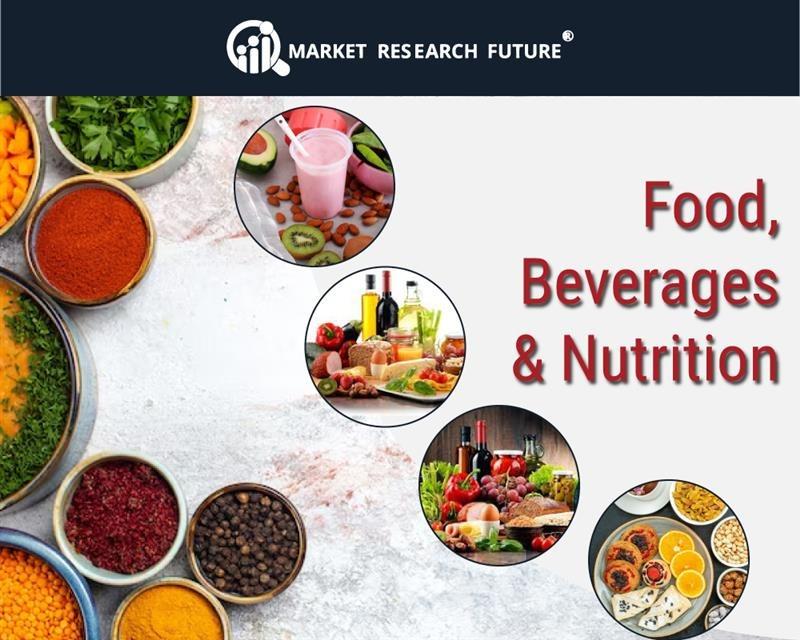
The vegan protein food market is expanding as consumers increasingly explore plant-based nutrition, convenient food options, and alternatives to animal-derived protein. Products made from soybeans, peas, lentils, chickpeas, beans, nuts, seeds, and other plant ingredients are becoming important components of modern diets. These foods serve a diverse audience, including vegan consumers, vegetarians, flexitarians, athletes, and individuals seeking greater variety in their daily protein intake.
The growing interest in vegan protein food market trends reflects increasing attention to nutritional quality, ingredient transparency, and sustainable food choices. Manufacturers are developing new plant-based products, including meat alternatives, protein-enriched snacks, ready-to-eat meals, dairy-free products, and convenient beverages to meet changing consumer expectations.
Rising Demand for Plant-Based Protein
Protein awareness is influencing food purchasing decisions across different consumer groups. Vegan protein foods provide alternatives for people who avoid animal-derived ingredients while offering flexibility for consumers who simply want to diversify their diets.
Soy, pea, wheat, rice, and legume proteins are widely used in plant-based food formulations. Different sources offer varying nutritional profiles, textures, and functional properties. Combining complementary protein sources can help manufacturers develop products with desirable nutritional characteristics and improved sensory appeal.
The increasing availability of plant-based protein products in supermarkets, specialty stores, and online marketplaces is also helping consumers explore these alternatives more easily.
Product Innovation and Diversification
Innovation is a major factor shaping the vegan protein food market. Manufacturers are expanding beyond traditional products such as tofu, tempeh, and legumes to offer plant-based burgers, meat-free nuggets, protein bars, snack foods, and ready-to-cook meal solutions.
New processing techniques can improve texture, flavor, and cooking performance, helping plant-based products become more versatile in everyday meals. Protein-enriched cereals, powdered drink mixes, and ready-to-drink beverages also provide convenient options for consumers with busy schedules.
Flavor development remains particularly important. Products that deliver familiar tastes, appealing textures, and easy preparation may encourage repeat purchases and broader adoption.
Clean-Label Ingredients and Nutritional Transparency
Consumers are increasingly examining ingredient lists, protein content, added sugars, sodium levels, and processing methods. This creates opportunities for manufacturers to offer products with clear labeling and recognizable ingredients.
Some consumers prefer minimally processed foods such as lentils, beans, chickpeas, nuts, and seeds, while others value the convenience of formulated protein products. Catering to these different preferences requires a varied product portfolio.
Manufacturers must also communicate nutritional benefits responsibly. Plant-based products do not automatically provide superior nutrition, and their protein quality and overall nutrient composition depend on the ingredients and formulation.
Sustainability and Changing Food Preferences
Environmental considerations are contributing to interest in plant-based food choices. Many consumers explore vegan protein products as part of efforts to diversify protein sources and reduce dependence on animal-derived foods.
The environmental impact of plant-based foods varies according to the ingredients, agricultural practices, processing methods, packaging, and transportation involved. Transparent sourcing and credible sustainability information can help consumers make more informed choices.
Food manufacturers can support this trend by improving ingredient sourcing, reducing production waste, and developing formulations that balance nutritional value with affordability.
Expanding Retail and Online Distribution
Supermarkets, hypermarkets, health food stores, specialty retailers, and e-commerce platforms are important channels for vegan protein foods. Online platforms allow consumers to compare product ingredients, nutritional information, flavors, and package sizes.
Food-service businesses, restaurants, cafés, and institutional kitchens also provide opportunities to introduce plant-based protein options to wider audiences. Menu diversification and convenient meal formats can make these products more accessible to consumers who are not exclusively vegan.
Competitive pricing and consistent product availability remain important, particularly where plant-based alternatives carry a price premium over conventional foods.
Challenges and Future Opportunities
The vegan protein food market faces challenges involving ingredient costs, taste expectations, texture limitations, consumer familiarity, and competition from conventional protein sources. Some formulated alternatives may also contain relatively high levels of sodium or other ingredients that consumers prefer to limit.
Future opportunities include affordable protein-rich foods, improved plant protein blends, convenient meal solutions, locally sourced ingredients, and products designed for specific dietary preferences.
Manufacturers that prioritize taste, nutritional quality, transparent labeling, and accessible pricing may be better positioned to build long-term consumer trust.
Conclusion
The vegan protein food market is evolving alongside growing interest in plant-based nutrition, product innovation, and diversified protein sources. Advances in formulation, improved distribution, and greater nutritional transparency are creating opportunities across snacks, beverages, meat alternatives, and everyday meal products. Continued attention to affordability, taste, protein quality, and responsible sourcing will remain essential to the market's development.
Frequently Asked Questions
1. What are vegan protein foods?
Vegan protein foods are products that provide protein exclusively from plant-derived ingredients, such as soybeans, peas, lentils, chickpeas, beans, nuts, seeds, and grains. They include whole foods as well as formulated alternatives and protein-enriched products.
2. What factors are driving the vegan protein food market?
Key factors include growing interest in plant-based diets, increased protein awareness, demand for convenient foods, product innovation, sustainability considerations, and expanding availability through retail and online channels.
3. What are the major trends in the vegan protein food market?
Major trends include pea and soy protein formulations, plant-based meat alternatives, protein-enriched snacks and beverages, clean-label ingredients, convenient ready-to-eat products, and greater emphasis on nutritional transparency.

 English
 Arabic
 French
 Portuguese
 Deutsch
 Turkish
 Dutch
 Italiano
 Russian
 Romaian
 Portuguese (Brazil)
 Greek
