


Pouch Packaging Launch Guide: Formats, Sizing, and Ordering Steps
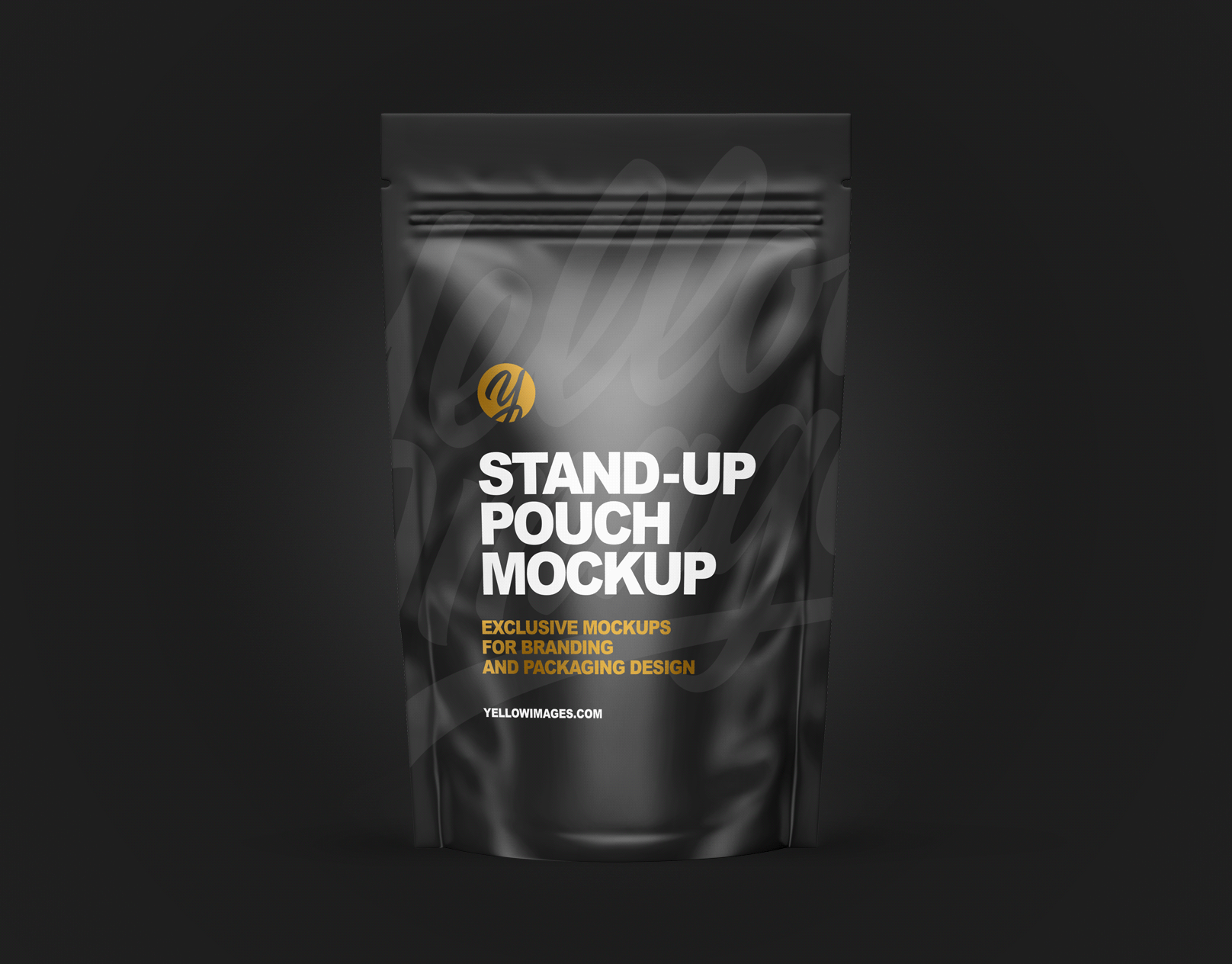
From Idea to Shelf: A Step-by-Step Guide to Launching With Flexible Packaging
Launching a small food or pet-treat brand means making dozens of decisions before the first sale. Recipes get tested, labels get argued over, and then comes the packaging order, with its minimum quantities, film structures, and artwork specifications. It can feel like learning a new language. Choosing the right custom packaging pouches is one of the biggest early decisions, because the pouch protects the product, carries the brand, and sets the cost of every unit you sell. This guide walks through the process in order, so you can make each choice with confidence.
Why Your First Packaging Order Matters
Most small brands believe they are already doing well here, and the data shows a gap worth noticing. In Adobe Express's March 2026 survey of 300 small business owners selling physical products online, 85% said their packaging meets or exceeds customer expectations, yet only 39% include anything beyond standard protective packaging. That suggests many sellers are stopping at "good enough," which leaves room for a thoughtful pouch to make a brand stand out.
The first order also sets habits. The format you choose shapes your filling process, your shipping costs, and your shelf presence for months. A bit of planning now saves a costly reprint later.
Step One: Define What the Pouch Must Do
Know Your Product's Weak Points
Start with the product, not the artwork. Is it sensitive to moisture, oxygen, light, or oil? Crunchy snacks and granola need a strong moisture barrier. Treats with natural fats need protection from oxygen. Powders may need a light block. Write the answers down, because they decide which film structure you need and what to ask suppliers about.
Know Your Sales Channel
A pouch sold on a retail shelf has different needs from one shipped to a customer's door. Shelf products need strong front-panel impact and an upright stance. Ecommerce products need puncture resistance and a design that photographs well. Market stalls need something that looks good from a few steps away. Many brands sell through more than one channel, so pick a design that works across them.
Step Two: Pick the Format
Stand up pouches are the default for retail because they open into a stable base, sit upright, and give you a large front panel for branding. They also ship flat before filling, which saves warehouse space. Flat-bottom styles add extra printable panels and a boxier shape. Three-side seal pouches suit samples and single servings, while pillow-style packs work for very small portions. Match the format to the product and the price point, not just to what looks fashionable.
Step Three: Choose Size and Fill
Fill a few samples with your real product at your standard weight, seal them, and see how they sit. A pouch that is too large looks half empty, while one that is too small strains the seams. Products settle during shipping, so leave a little headspace. If you plan to sell two weights, such as a trial size and a family size, order a small run of stand up pouches in both and see which one customers choose before committing to larger quantities.
Step Four: Plan the Artwork
Work From the Dieline
Ask your supplier for a dieline, which is a flat template showing folds, seals, zippers, and safe zones. Place text and logos inside the safe area so nothing disappears into a seal or a gusset. Use high-resolution vector files, and request a physical or digital proof before printing.
Keep the Front Simple, the Back Useful
One bold color, a clear logo, and a short line of copy usually look more premium than a crowded layout. Put the product name and main benefit in the top third, where they stay visible when pouches are stacked or folded. Use the back for ingredients, nutrition or feeding information, and a QR code to your story. When your custom packaging pouches look consistent across products, customers learn to spot your range quickly.
Leave Room for Regulatory Details
Food and pet products usually need ingredient lists, net weight, lot codes, and sometimes allergen statements. Rules vary by country and category, so check requirements before you finalize the layout and ask someone familiar with your market to review it.
Step Five: Request Samples and Test
Never approve a large run from a screen proof alone. Ask for physical samples, fill them, and test them. Drop a filled pouch from waist height, squeeze it, and leave one in a warm car for an hour. Check seal strength and zipper function, and store a few for a shelf-life check if freshness matters. Confirm that anything touching food meets food-safety standards in your region, and ask suppliers for documentation on films, inks, and adhesives.
Budget and Timeline
Pricing depends on material, size, print method, closures, and quantity. Setup costs such as plates or cylinders are spread across each order, so larger runs usually lower the cost per unit. Digital printing allows smaller minimums, which suits early orders, while larger runs often move to gravure or flexographic printing. Avoid overbuying before your recipe and artwork are settled. Stand up pouches include proofs and delivery in each quote, and confirm that your custom packaging pouches can be reordered using the same artwork file.
Production often takes several weeks, plus shipping, so work backward from your launch date and add a buffer for revisions. Order well ahead of seasonal peaks.
Frequently Asked Questions
What is a typical minimum order?
It varies widely by supplier and print method. Digital printing may allow a few hundred units, while traditional printing often starts in the thousands. If you are testing a new product, ask whether a small run of stand up pouches is available before committing to a large one.
Do I need food-safe materials?
If the pouch touches food, yes. Requirements vary by region, so ask your supplier for documentation on films, inks, and adhesives and confirm that your custom packaging pouches meet local rules before you sell.
What file format should I send?
Vector files such as AI, EPS, or a print-ready PDF give the sharpest results. Ask your supplier for a dieline template and follow its safe zones.
Final Thoughts
A good first packaging order comes from working through the decisions in sequence: what the product needs, which format fits, how it will be filled, how the artwork will be laid out, and how it will be tested. Do that, and your custom packaging pouches will protect your product, support your brand, and give your launch a solid footing.

 English
 Arabic
 French
 Spanish
 Portuguese
 Deutsch
 Turkish
 Dutch
 Italiano
 Russian
 Romaian
 Greek
