


Wildlife Baby Season in Toronto: What to Know Before You Seal Any Hole
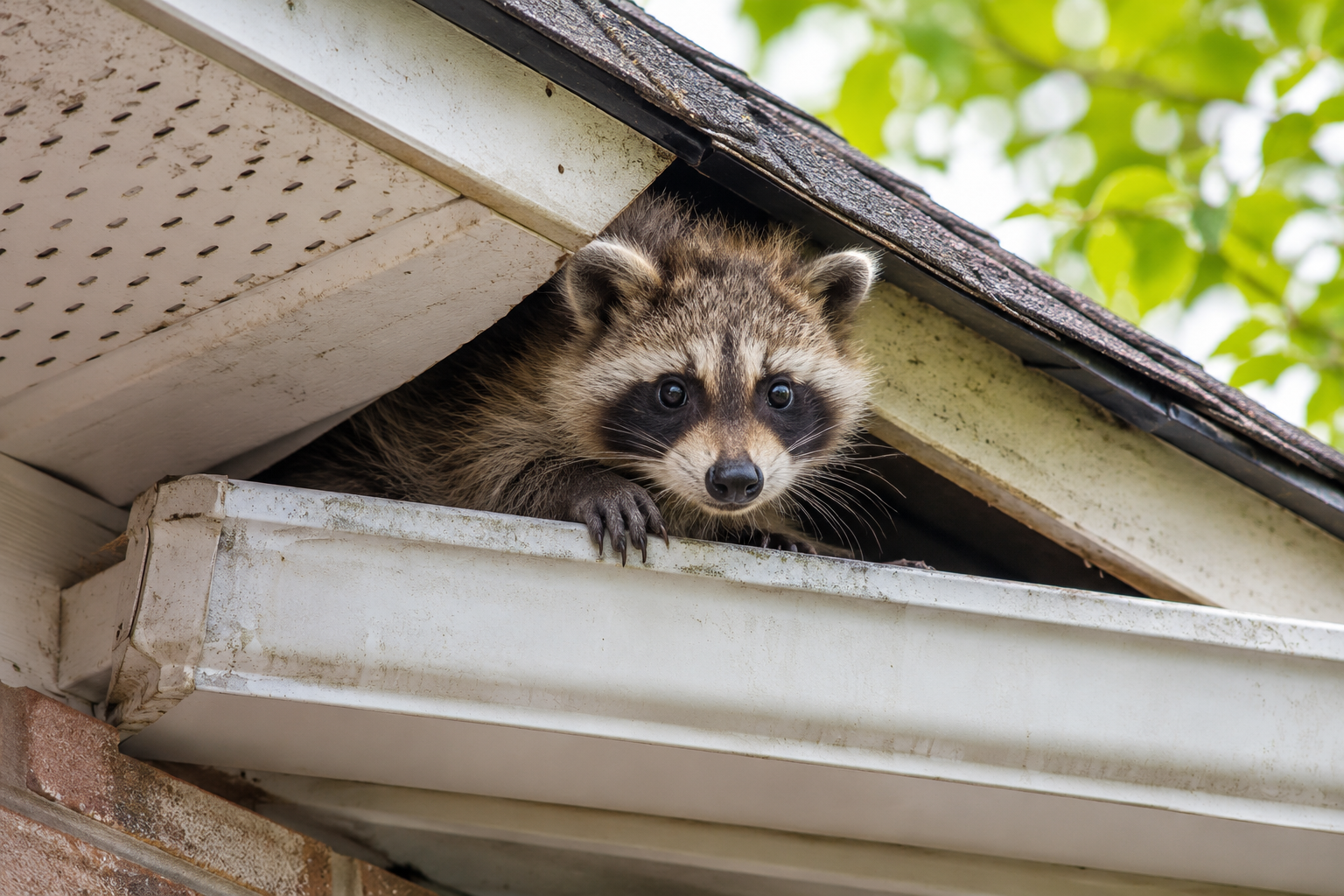
Spring in the GTA brings longer days, warmer weather and a rise in strange sounds from attics, soffits and sheds. For many homeowners, the first instinct is to find the hole and block it as fast as possible. During baby season, that instinct can cause real harm to the animals and create a bigger problem for the home.
This guide explains what wildlife baby season means in Toronto, which animals are involved, how to tell if young may be present, what Ontario guidance says, and how professional wildlife removal in Toronto and the GTA handles timing humanely.
What Is Wildlife Baby Season?
"Baby season" is the time of year when wild animals look for safe, sheltered places to give birth and raise young. In the GTA, attics, chimneys, soffits, sheds, decks and crawl spaces can look like ideal dens: warm, dry, quiet and protected from predators.
Baby season is not one fixed date. Wildlife activity varies by species, weather and the availability of shelter. In general, spring is when denning and early litters become active, and the effects can carry into summer. Knowing the pattern helps you recognize what you are hearing and respond at the right time.
Which Animals Are Involved?
Several common GTA species may use a home for denning or nesting:
• Raccoons: Nocturnal, with heavy thumping and rolling sounds. They commonly use attics, chimneys and roof spaces.
• Squirrels: Active in the daytime, with quick scratching and scampering. They commonly use attics, soffits and rooflines.
• Skunks: Active at dusk and at night, with low shuffling and digging sounds. They commonly den under decks, sheds and porches.
• Birds: Active in the daytime, with fluttering and chirping. They commonly nest in roof vents, soffits, eaves and exhaust vents.
To learn more about a specific animal, see our guides to raccoon removal in Toronto and squirrel removal.
What Are the Signs That Young Animals May Be Present?
No single sign confirms that babies are in the home, but these clues together are worth taking seriously:
• Chattering or crying sounds, especially in spring, which are often a sign of young in a den.
• A mother animal repeatedly entering and leaving the same spot, especially at dusk or dawn.
• Nesting material around a roof vent, soffit or other opening.
• Activity that continues in the same place day after day rather than moving around.
• Damaged roof vents, soffits or fascia that an animal may have enlarged to get in.
Even if you hear nothing, you cannot always be sure the space is empty. An inspection that specifically checks for young is the safest way to find out.
Why Is Sealing the Hole Too Early a Mistake?
It can feel responsible to close an opening right away. During baby season, it often does the opposite.
• Young can be trapped inside. A sealed attic or wall space can leave babies without their mother and without a way out.
• A distressed mother may do more damage. An adult trying to get back to her young can tear at soffits, vents, shingles and other materials.
• Smell and sanitation problems can follow. Animals that cannot escape can create odour and contamination issues that are hard to reach.
• The root problem stays hidden. Blocking the one opening you can see may not address other entry points.
The safest approach is to confirm whether young are present before closing any active entry point.
What Does Ontario Guidance Say?
Ontario generally restricts the capture and relocation of live wildlife, with a limited exception for protecting private property. The rules depend on the species and circumstances. The Government of Ontario explains how to harass, capture or kill wild animals that are damaging private property and gives practical advice in its guide to preventing and managing conflicts with small animals.
The provincial guidance recommends removing small animals from homes when the young have left the den or nest, where possible, because exclusion at the wrong time can separate a mother from dependent young. That is the reason professional wildlife control focuses on exclusion and timing rather than simple trap-and-relocate.
What Should You Do If You Hear Chattering or Crying?
1. Stay calm and do not seal anything. Leave the entry point as it is.
2. Do not handle, corner or chase the animals. This creates risks for you and the wildlife.
3. Note what you hear and when. Time of day, type of sound and location are useful details.
4. Check from the ground. Look at the roofline, vents, soffits and chimney for visible damage. Do not climb onto the roof.
5. Avoid direct contact with droppings or nesting material. Wildlife in an attic can leave contamination behind, and raccoon droppings can carry parasites.
6. Book an inspection. A technician can identify the species, find the entry point and check for young before any exclusion work begins.
Photos of visible damage or a short recording of the sounds can help a technician understand the situation faster.
How Does Humane Removal Adapt When Young Are Present?
A responsible removal plan does not follow the same steps every time. When young are present, the approach changes to protect the family and the home.
1. Inspect and Identify
The technician identifies the species, locates every entry point and checks specifically for young before choosing a method.
2. Adjust the Plan to the Situation
The timing and exclusion method may need to change depending on the age and mobility of the young. The goal is to avoid trapping babies inside a wall, attic or other enclosed space and to avoid unnecessarily separating the family.
3. Exclude Humanely
Where appropriate, a one-way door lets the animal leave on its own without letting it get back in. Where babies are present, the family is reunited rather than separated.
4. Remediate Where Needed
Contaminated insulation can be removed and the space treated, with attic restoration where damage warrants it.
5. Seal and Prevent
Once the property is confirmed clear, entry points are sealed with appropriate wildlife-resistant materials to reduce the chance of re-entry.
Timelines vary. Cases with young, several entry points, difficult access or contaminated insulation can take longer than a straightforward exclusion.
A Seasonal Calendar for the GTA
Wildlife pressure in the GTA follows a general yearly pattern. Treat this as a guide, not a guarantee, because species, weather and shelter all affect timing.
|
Season |
What becomes active |
What to watch for |
|
Spring (Mar–May) |
Raccoons denning and early squirrel litters |
Chattering sounds and mother animals searching for attic entry points |
|
Summer (Jun–Aug) |
Skunks denning beneath decks and birds nesting around homes |
Spray odours and fluttering in vents, soffits and roof spaces |
|
Fall (Sep–Nov) |
Squirrels seeking warm shelter for the winter |
Sudden scratching and scampering as wildlife moves indoors |
|
Winter (Dec–Feb) |
Established attic populations stay sheltered |
Consistent thumping and movement overhead as animals stay warm inside |
How Can You Prevent a Repeat Next Year?
The best time to prevent baby-season problems is outside baby season, once animals have been humanely excluded and the home is secure.
• Repair damaged soffits, fascia, vents and roofing before they become entry points.
• Cap chimneys that are open or poorly protected.
• Check decks, sheds and porches for gaps at ground level.
• Trim branches that give animals easy access to the roof.
• Secure garbage and Green Bin lids and avoid leaving pet food outdoors.
• Investigate recurring activity, since repeat visits may mean an entry point is still open.
These steps reduce attractants and weak points, but they do not replace a full inspection when an animal has already moved in.
Real Example: Finding the Entry Point First
Residents in East York, Toronto, called GTA Pest Solutions after hearing heavy noises and scratching in their attic. The inspection found a roof vent with its cap ripped off by a raccoon, plus scratch marks on other vulnerable roof areas. A one-way door let the raccoon exit safely, and the vulnerable areas were secured to help prevent re-entry. Read the full East York case study.
This result relates to one property and is not a guaranteed outcome or timeline for every home. For another example of why locating the entry point matters, see our guide to squirrels in a porch ceiling.
Image (add genuine project photo). Alt text: Roof vent with its cap ripped off by a raccoon in East York, Toronto
Frequently Asked Questions
When is wildlife baby season in Toronto?
There is no single date. In general, spring is when raccoons den and early squirrel litters become active, and activity can continue into summer with skunks and nesting birds. Timing varies by species, weather and shelter.
How do I know if there are babies in my attic?
Chattering or crying sounds, a mother repeatedly entering and leaving, and nesting material near an opening are common clues. Because you cannot always be sure, an inspection that checks for young is the safest way to confirm.
Should I seal the hole if I hear animals in my attic?
Not right away. Closing an opening while an adult or young remain inside can trap them and cause further damage and odour. Confirm what is inside first.
Can I trap the mother and relocate her?
Ontario generally restricts relocation of live wildlife, with limited exceptions for protecting private property, and relocation can separate a mother from dependent young. Check the provincial guidance or speak with a wildlife professional first.
Can wildlife removal wait until the babies leave?
Ontario guidance recommends removing small animals when young have left the den or nest, where possible. A technician can advise on timing and on whether a different approach is safer for your situation.
Do you clean up after wildlife?
Yes. Cleanup, insulation removal and attic restoration can be arranged after the animals have been excluded, depending on the condition of the area.
How much does wildlife removal cost in Toronto?
Cost depends on the species, number of entry points, access to the area, and whether exclusion repairs or attic restoration are needed. GTA Pest Solutions provides a recommendation and quote after inspecting the property.
Hearing Chattering in Your Attic?
Do not rush to seal the hole. An inspection finds the entry point, checks for young and sets out a humane plan that protects both the animals and your home.

 English
 Arabic
 French
 Spanish
 Portuguese
 Deutsch
 Turkish
 Dutch
 Italiano
 Romaian
 Portuguese (Brazil)
 Greek
