


A Practical Guide to Modernizing Hotel and Resort Properties
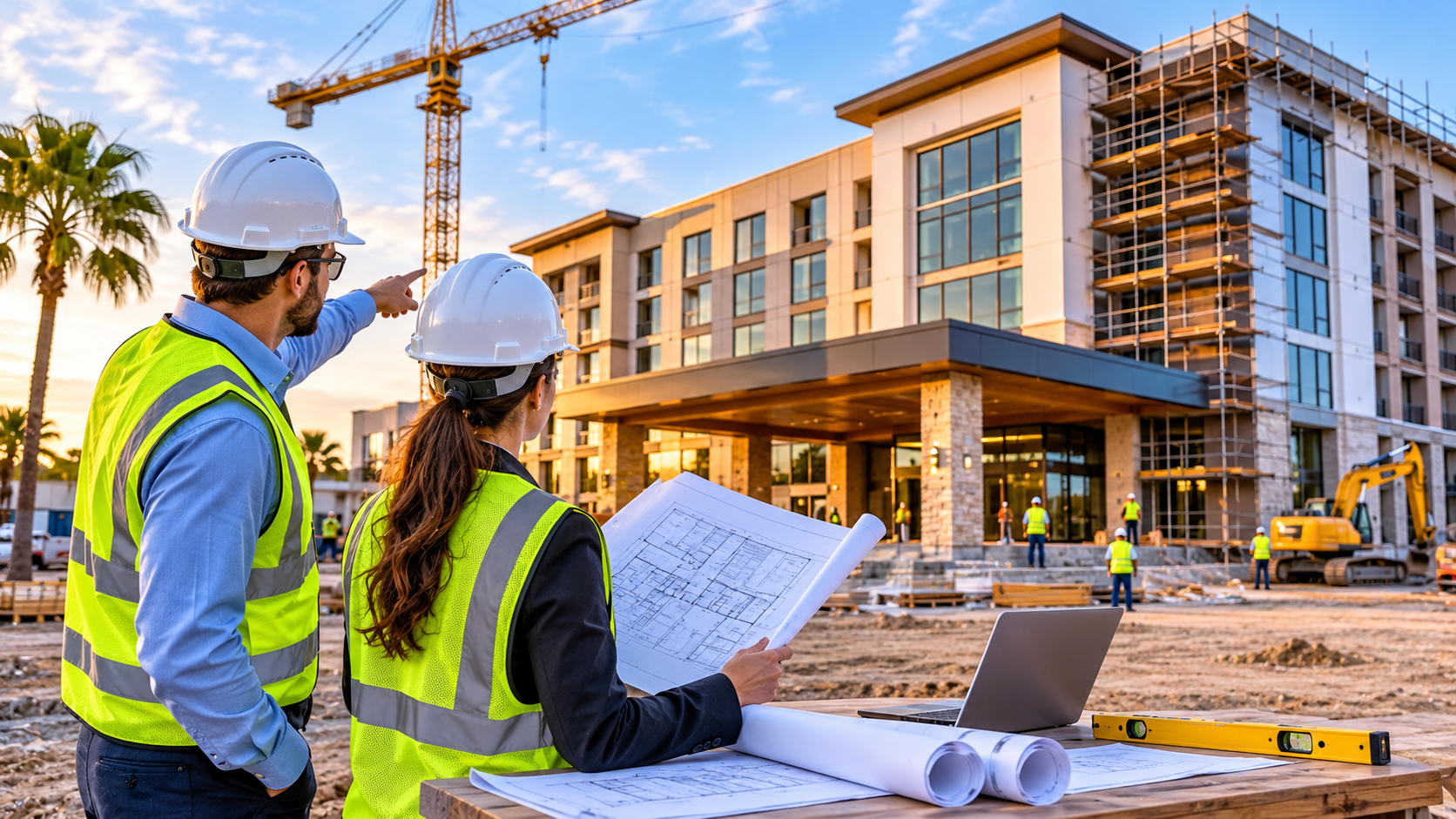
Hotels and resorts must continually adapt to changing guest expectations, technology, and operational demands. Travelers increasingly look for comfortable accommodations, attractive interiors, convenient amenities, and modern facilities that make their stays enjoyable. For property owners, maintaining these standards requires more than occasional cosmetic updates. It involves thoughtful planning, strategic construction improvements, and ongoing investment in building performance.
Modernizing an existing hospitality property can improve guest satisfaction, strengthen its market position, and extend the useful life of important building components. However, renovation projects often involve complex challenges, particularly when properties need to remain partially operational during construction. From upgrading electrical systems to redesigning guest spaces and improving energy efficiency, every decision requires careful coordination.
Working with experienced hospitality construction experts helps property owners approach these projects with a clear strategy. Understanding the essential stages of modernization makes it easier to prioritize improvements, manage budgets, and create hospitality environments that deliver lasting value.
1. Evaluating Existing Property Conditions and Identifying Priorities
Before beginning a renovation, property owners should understand the current condition of the building. A detailed assessment helps identify outdated features, maintenance concerns, structural issues, and systems that may no longer meet operational requirements.
The evaluation should cover both guest-facing areas and behind-the-scenes facilities. Guest rooms, reception areas, restaurants, conference spaces, swimming pools, and recreational facilities directly influence the visitor experience. Meanwhile, electrical infrastructure, plumbing, HVAC equipment, roofing, drainage, and service areas determine how efficiently the property operates.
Professional inspections can help identify problems that are not immediately visible. For example, outdated wiring may create electrical safety concerns, while aging plumbing systems can contribute to leaks and water damage. Poor ventilation may affect indoor comfort, and deteriorating roofing can increase long-term maintenance costs.
Property owners should also consider guest feedback, maintenance records, occupancy trends, and staff recommendations. These insights help identify which areas require immediate attention and which improvements could provide the greatest long-term benefits.
A practical assessment should produce a prioritized improvement plan. Safety-related repairs and essential building system upgrades generally deserve attention before decorative enhancements. This approach helps prevent unexpected problems from interrupting the renovation schedule.
2. Improving Guest Rooms, Interiors, and Shared Spaces
Guest rooms and common areas play a major role in shaping how visitors perceive a hotel or resort. Outdated layouts, worn flooring, poor lighting, and aging fixtures can make an otherwise attractive property feel less welcoming.
Modernization provides an opportunity to improve comfort, functionality, and visual appeal without necessarily changing the entire building structure.
Guest room improvements may include updated flooring, modern bathroom fixtures, improved lighting, better storage, fresh wall finishes, and more practical furniture arrangements. Replacing outdated windows or improving insulation can also contribute to better indoor comfort.
Shared spaces deserve similar attention. Reception areas should provide a welcoming first impression, while restaurants, lounges, meeting rooms, and recreational spaces should support their intended activities. Improved layouts can make movement easier and help staff serve guests more efficiently.
Accessibility is another important consideration. Renovation projects should evaluate entrances, pathways, bathrooms, elevators, signage, and other facilities to ensure compliance with applicable accessibility requirements.
Durability should guide material selection. Hotels experience frequent daily use, so finishes need to withstand regular cleaning, heavy foot traffic, and repeated use. Commercial-grade flooring, moisture-resistant surfaces, and quality fixtures can help reduce maintenance requirements.
Well-planned resort property improvements should balance attractive design with practical performance, creating spaces that remain comfortable and appealing over time.
3. Upgrading Electrical, Plumbing, and HVAC Systems
While interior improvements are highly visible, upgrading essential building systems is equally important. Older hotels may have electrical, plumbing, and mechanical infrastructure that struggles to support modern equipment and increased operational demands.
Electrical modernization may involve replacing outdated wiring, upgrading electrical panels, improving lighting systems, and installing additional circuits where required. Properties introducing smart room controls, advanced security equipment, or modern entertainment systems may also need expanded electrical capacity.
Energy-efficient LED lighting and automated controls can improve convenience while helping reduce unnecessary electricity consumption.
Plumbing improvements are equally valuable. Older pipes, inefficient fixtures, and recurring leaks can increase operating expenses and disrupt guest services. Upgrading plumbing infrastructure, installing water-efficient fixtures, and improving hot-water systems can support more reliable daily operations.
HVAC modernization helps maintain consistent indoor temperatures and improve air circulation. Properly designed ventilation systems are particularly important in humid climates, where moisture management can influence occupant comfort and building durability.
For Florida hospitality properties, humidity control, efficient cooling, and appropriate ventilation deserve particular attention. Equipment should be selected according to building requirements, climate conditions, and expected occupancy.
These upgrades should be coordinated with qualified specialists and integrated into the overall construction schedule. Addressing building systems during a planned renovation can help avoid the disruption and additional costs associated with separate future projects.
4. Incorporating Energy Efficiency and Modern Hospitality Technology
Technology and sustainability have become important considerations in modern hospitality development. Property owners can improve building performance by introducing systems that reduce energy consumption, simplify facility management, and enhance guest convenience.
Smart thermostats, automated lighting, occupancy sensors, and centralized building management systems allow hotels to monitor and control important building functions. For example, room controls can adjust lighting and temperature based on occupancy, helping reduce energy waste when guest rooms are unoccupied.
Water conservation is another opportunity. Low-flow plumbing fixtures, efficient irrigation systems, and properly maintained water distribution networks can help reduce unnecessary consumption.
Building envelope improvements may also provide long-term benefits. Better insulation, properly sealed windows, and suitable roofing materials can help maintain indoor temperatures and reduce the workload on HVAC equipment.
Guest-facing technology should also be considered. Modern properties may benefit from electronic access controls, improved wireless connectivity, digital service systems, and integrated security features.
However, technology upgrades should be selected based on actual operational needs rather than trends alone. Systems must be reliable, secure, compatible with existing infrastructure, and manageable by hotel staff.
Experienced construction professionals can coordinate the installation of these systems with electrical, mechanical, and interior improvements. This integrated approach helps avoid conflicts between different trades and supports a more efficient modernization process.
5. Planning Renovations Around Hotel Operations and Budgets
One of the biggest challenges in hospitality renovation is completing construction while minimizing disruption to guests and staff. Unlike vacant commercial properties, operating hotels may need to maintain services throughout much of the improvement process.
A detailed project schedule is essential. Property owners and contractors should identify work areas, establish construction phases, and determine whether certain rooms or facilities need temporary closure.
For larger projects, renovations may be divided into sections or floors. This allows unaffected areas to continue operating while construction progresses elsewhere. Noise-producing activities can be scheduled during appropriate periods, and clear separation between guest areas and construction zones should be maintained.
Budget management is equally important. Renovation costs can include demolition, materials, labor, equipment, engineering services, permits, inspections, and temporary operational arrangements.
Property owners should establish a realistic budget with contingency funding for unexpected conditions. Hidden water damage, deteriorating structural components, outdated wiring, or unforeseen code requirements can increase the original project scope.
Clear communication between owners, contractors, designers, and hotel management helps maintain control over decisions and expectations.
Effective hotel renovation strategies also include regular progress reviews, quality inspections, procurement planning, and documented change management. These practices help identify problems early and reduce unnecessary delays.
A qualified general contractor can coordinate subcontractors, organize construction activities, monitor progress, and maintain communication throughout the project.
6. Choosing the Right Construction Partner for Long-Term Results
The success of a hotel modernization project depends heavily on the experience and coordination of the construction team. Hospitality properties often contain complex building systems, specialized facilities, and operational requirements that demand careful planning.
Property owners should look for contractors with relevant commercial construction experience, appropriate licensing and insurance, strong project management capabilities, and a clear understanding of safety and quality standards.
It is also important to evaluate how a contractor approaches scheduling, material selection, subcontractor coordination, and communication. A detailed scope of work and transparent project expectations help establish accountability from the beginning.
Design-build expertise can provide additional coordination benefits by bringing design and construction activities together under an integrated project approach. This can help align architectural decisions with budget limitations, construction requirements, and operational goals.
Beyond the immediate renovation, owners should consider how improvements will affect future maintenance. Accessible mechanical equipment, durable materials, efficient building systems, and practical layouts can reduce ongoing repair requirements.
Keentel General Contractors delivers commercial, industrial, institutional, and large-scale residential construction services with a focus on quality, safety, and coordinated project execution. For hospitality property owners planning significant building improvements, experienced construction management can help bring multiple renovation activities together while maintaining attention to project objectives.
Conclusion
Modernizing a hotel or resort is an opportunity to improve guest experiences, strengthen building performance, and increase the long-term value of a hospitality property. From evaluating existing conditions and upgrading interiors to improving electrical systems, incorporating technology, and coordinating construction schedules, every stage requires thoughtful planning.
The most successful projects balance attractive design with durability, operational efficiency, safety, and future maintenance needs. By prioritizing essential improvements and working with experienced construction professionals, property owners can transform aging facilities into modern hospitality environments prepared to meet changing industry expectations.
A well-executed modernization project is more than an aesthetic upgrade. It is a strategic investment in the property's functionality, reputation, and long-term success.

 Arabic
 French
 Spanish
 Portuguese
 Deutsch
 Turkish
 Dutch
 Italiano
 Russian
 Romaian
 Portuguese (Brazil)
 Greek
