


Washing Machine Leaking Water: How to Find the Source and Fix It
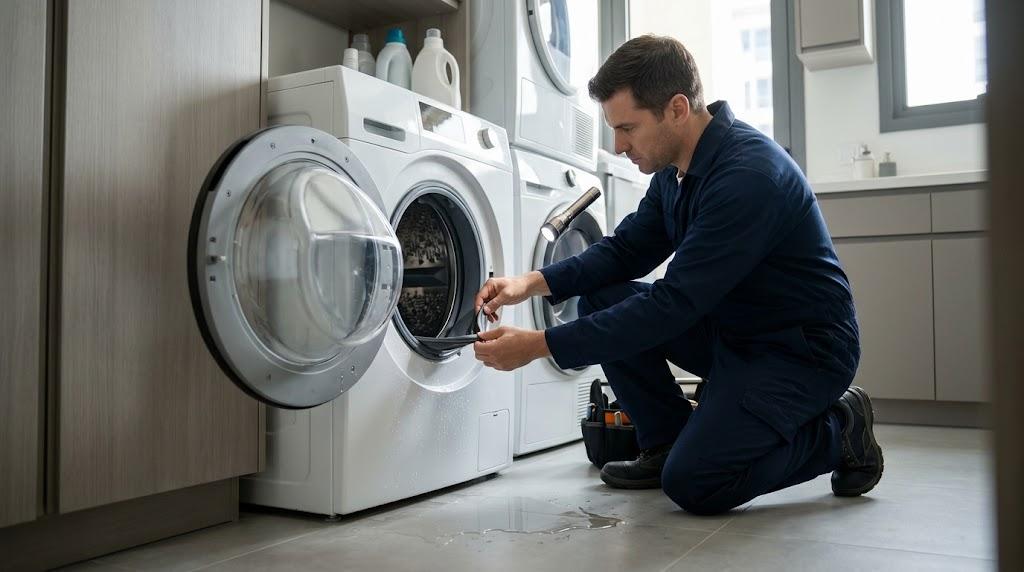
Finding a puddle under your washing machine can be stressful, especially when you have no idea where the water is coming from. Even a small leak can damage your flooring, affect nearby cabinets, and signal a problem that could get worse if ignored. If your washing machine starts leaking water in Dubai, finding the source early can help you prevent further damage and avoid more costly repairs.
Before troubleshooting, switch off the washing machine and disconnect the power if you can do so safely. If water has reached the plug or electrical outlet, do not touch the appliance or standing water. Shut off the water supply and seek qualified assistance. Once the area is safe, you can check for common causes and decide what needs attention.
Check the Water Supply and Drain Hoses
A loose connection, cracked hose, or worn rubber washer can allow water to escape behind the machine. Supply hoses carry water into the washer, while the drain hose carries used water away. A leak from either hose may leave a puddle near the back of the appliance.
Signs of a Hose Leak
Look for damp connections, water marks on the wall, or a wet patch that appears while the machine fills or drains. A washing machine hose leak may come from a loose fitting, damaged hose material, or a connection that has deteriorated over time.
Never pull or move a heavy washer by yourself just to inspect its rear connections. If the hoses are accessible, check them visually after shutting off the water supply. Replace cracked or bulging hoses and have damaged fittings repaired before using the appliance again.
What You Can Do
Make sure the water supply connections are secure, but avoid overtightening them, as this can damage the fittings. Check the drain hose for splits, kinks, and incorrect positioning. If water continues to appear around the connections after basic checks, a technician can identify the source and replace the affected parts.
Inspect the Door Seal for Tears or Dirt
Front-loading washing machines use a rubber gasket around the door to keep water inside the drum. Detergent residue, trapped lint, small clothing items, or damage to the rubber can prevent the door from sealing properly. Water may then escape during washing or rinsing.
A front-load washer leak often appears near the front of the machine, particularly around the lower edge of the door. If you notice moisture along the door frame, inspect the gasket for trapped objects, buildup, or visible cracks.
How to Identify a Door Seal Problem
With the washer switched off, gently examine the folds of the rubber seal. Remove any visible lint or small objects and wipe away residue with a suitable cloth. Check for tears, hardened sections, or areas that no longer sit correctly against the door.
A washing machine door seal leak may require gasket replacement if the rubber is torn or permanently deformed. Avoid using sharp tools to remove debris because they can puncture the seal. If the door closes unevenly or the leak continues after cleaning, have the gasket and door alignment checked.
Look for Water Leaking from the Detergent Drawer
Water escaping from the detergent drawer can run down the front panel and collect beneath the machine. This may happen when detergent residue blocks the drawer's water channels, the drawer is not fitted correctly, or too much detergent creates excess foam.
Clean the Drawer and Its Housing
Remove the detergent drawer if your model allows it, following the manufacturer's instructions. Rinse away detergent buildup and clean the accessible compartment. Let the parts dry before reinstalling the drawer correctly.
Use the detergent type and quantity recommended for your machine. Too much detergent can create excessive suds, which may push water or foam through areas that are not designed to contain it. If the drawer overflows repeatedly despite proper cleaning and detergent use, the water inlet system may need inspection.
Check the Drain Pump and Filter Area
The drain pump moves used water out of the washing machine. A damaged pump, loose connection, worn seal, or blocked filter area can cause water to collect beneath the appliance, especially during draining. The exact location varies by model, so the leak may not always appear directly below the faulty component.
A washing machine pump leak may become noticeable near the end of a cycle, when the appliance removes water from the drum. You might also hear unusual draining sounds or notice that water remains inside after the cycle finishes.
What to Check Before Calling for Repair
Switch off and unplug the washer before inspecting any user-accessible filter. Follow the manual carefully because opening the filter can release trapped water. Place a shallow container and towels nearby if the manufacturer recommends draining residual water this way.
Check the filter area for visible debris and make sure the filter cap is correctly fitted after cleaning. Do not dismantle the pump or access internal electrical parts yourself. If the pump housing, seal, or internal hose is damaged, the affected component may need repair or replacement.
Consider Overfilling, Excess Suds, or an Internal Leak
Not every leak comes from a broken hose or seal. Overloading the drum, using too much detergent, or selecting an unsuitable detergent can lead to excess foam or water escaping through the dispenser or door area. In other cases, a worn internal hose, faulty water inlet valve, or damaged tub connection may be responsible.
Match the Leak to the Wash Cycle
Pay attention to when the water appears, without restarting a machine that has a serious or unexplained leak.
-
During filling: The inlet hose, water inlet valve, or detergent drawer may be involved.
-
During washing: The door gasket, internal hoses, or tub connections may be leaking.
-
During draining: The drain hose, filter housing, or pump may be responsible.
-
After the cycle: A loose connection or slow leak may be allowing water to collect gradually.
These patterns can help narrow down the possibilities, but they do not confirm the exact cause. Water can travel along the machine's base before reaching the floor, so the visible puddle may be some distance from the source.
When Should You Arrange Professional Repair?
If cleaning the detergent drawer, checking accessible hoses, and inspecting the door seal do not resolve the problem, avoid repeatedly running the washer to test it. Water may reach electrical components or damage the surrounding area. A persistent leak can also indicate an internal fault that requires the appliance to be opened and inspected.
A technician providing washing machine leak repair in Dubai can examine the water inlet system, drain pump, door gasket, internal hoses, and tub connections. The repair process should begin by locating the source, explaining the cause, and confirming the recommended work before any parts are replaced.
Seek assistance promptly if the leak is heavy, the machine will not drain, or you notice a burning smell or electrical symptoms. Shut off the water supply and leave the appliance disconnected until it has been checked.
Conclusion:
Simple maintenance can reduce the chance of leaks and help you notice early warning signs. Inspect accessible hoses periodically, clean the detergent drawer, remove debris from the door gasket, and use the recommended detergent quantity. Keep the appliance level and follow the manufacturer's guidance for cleaning the drain filter.
After a wash, leave the door and detergent drawer slightly open if the manufacturer permits it. This helps the interior dry and reduces residue buildup around the seal. Also, remove coins, keys, and other objects from pockets before loading clothes.
If you notice repeated puddles, dampness around the door, or water appearing during draining, do not assume the problem will disappear on its own. Identifying the source early can help prevent further water damage and restore normal operation.

 English
 French
 Spanish
 Portuguese
 Deutsch
 Turkish
 Dutch
 Italiano
 Russian
 Romaian
 Portuguese (Brazil)
 Greek
