


EU Nuclear Infrastructure: Understanding Long-Term Maintenance and Life-Extension Requirements
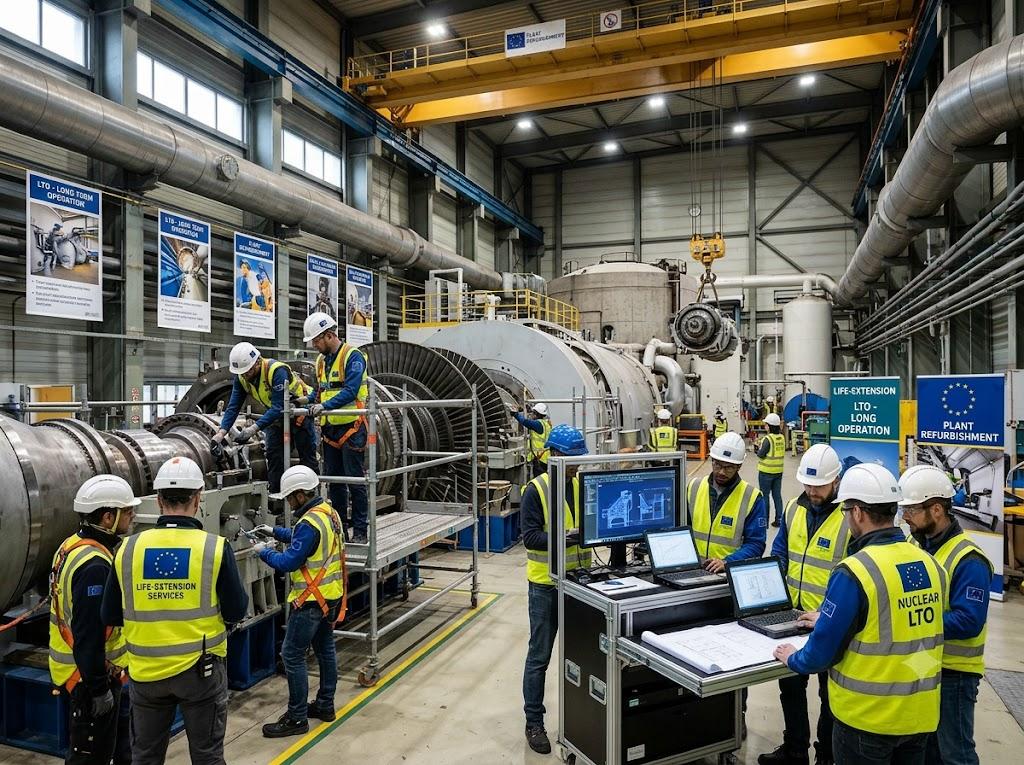
Digital Technologies Transforming Nuclear Reactor Life-Extension Programmes
Digital transformation is becoming increasingly relevant to Europe's nuclear power industry. Utilities are exploring advanced monitoring, predictive maintenance and data-driven engineering to improve equipment reliability and manage aging infrastructure. As reactors operate over longer periods, access to accurate asset information becomes essential for identifying degradation, planning maintenance and supporting regulatory assessments.
The EU Nuclear Life-Extension Services Market Report reflects growing interest in integrated services that combine traditional nuclear engineering with modern digital capabilities. Operators require solutions that support equipment condition monitoring, inspection planning, operational analysis and lifecycle documentation. Technology providers and specialist engineering companies can benefit from this changing demand.
Predictive maintenance is an important application. Conventional maintenance schedules frequently depend on predetermined intervals, equipment operating hours and established inspection requirements. Digital monitoring introduces additional information about actual operating conditions. Sensors can collect temperature, vibration, pressure and other equipment performance measurements. Analytical platforms can then identify abnormal patterns that may indicate developing mechanical or electrical problems.
Artificial intelligence and machine learning can support these processes by evaluating large quantities of historical and operational information. Algorithms may identify correlations between equipment performance and degradation indicators, helping maintenance teams investigate potential problems earlier. Nevertheless, nuclear applications require rigorous validation. Analytical recommendations must remain transparent, technically defensible and consistent with approved operating procedures.
Digital twins offer another development opportunity. These virtual representations of physical equipment or systems can combine engineering models, operating information and maintenance histories. Engineers can use them to examine different operating conditions, evaluate potential equipment changes and improve maintenance planning. Their usefulness depends on data accuracy, model validation and appropriate integration with established engineering processes.
Inspection technology is also advancing. Robotic systems, remote visual inspection equipment and automated measurement platforms can support examinations in difficult-to-access locations. Such technologies may reduce worker exposure and improve inspection consistency. Advanced imaging and data processing can help engineers compare findings over time, making it easier to identify changes in component condition.
Cybersecurity remains a critical consideration. Connecting monitoring equipment and analytical platforms creates additional information management requirements. Nuclear operators must protect sensitive operational systems against unauthorized access and potential disruption. Digital modernization programmes therefore need cybersecurity assessments, access controls, network segmentation and carefully managed software updates.
Another challenge involves legacy infrastructure. Many nuclear plants operate equipment installed decades ago, with limited compatibility with modern digital systems. Integrating new monitoring platforms may require interface development, additional testing and specialized engineering. Operators must also preserve established safety functions while implementing modernization projects. This makes nuclear-specific digital expertise particularly valuable.
Data governance is essential for successful implementation. Utilities need consistent equipment identification, accurate maintenance histories and reliable technical documentation. Disconnected information systems can make asset assessments unnecessarily complicated. Standardized data management practices help engineering teams understand equipment condition and support decisions regarding continued operation.
The European market offers opportunities for technology suppliers, nuclear engineering consultancies and specialist software developers. Companies that understand both nuclear operating environments and industrial digitalization can provide differentiated services. Collaboration with utilities and research organizations can also help validate emerging technologies and develop practical deployment models.
Over the coming years, digital tools are likely to complement rather than replace conventional engineering assessments. Physical inspections, qualified technical evaluations and regulatory approval will remain fundamental. However, better information can improve the effectiveness of these activities and help operators prioritize investment.
Europe's nuclear modernization agenda will increasingly depend on reliable information and advanced engineering capabilities. Digital monitoring, predictive maintenance and virtual modelling can support safer operations and more informed lifecycle decisions. Providers delivering secure, validated and practical digital solutions will be well positioned to participate in the industry's continuing transformation.

 English
 Arabic
 French
 Spanish
 Portuguese
 Deutsch
 Turkish
 Dutch
 Italiano
 Romaian
 Portuguese (Brazil)
 Greek
