


How Can Thai Massage Help Ease Stiffness After Long Distance Travel?
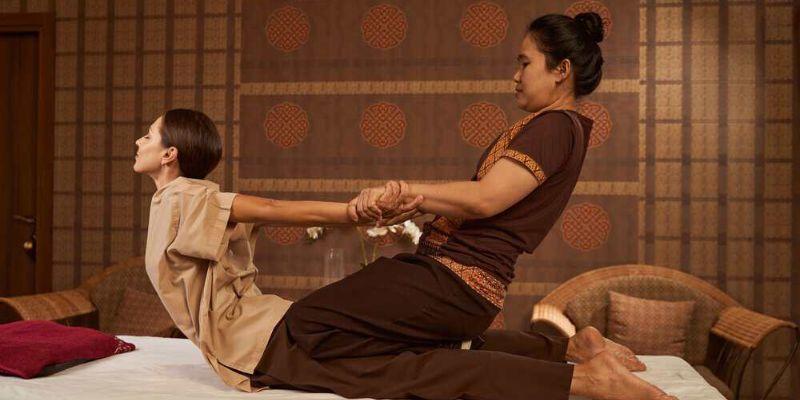
Long distance travel can affect how the body feels and moves, especially when a journey involves spending several hours sitting in the same position. Whether travelling by car, train or aeroplane, limited movement can contribute to stiffness around the back, neck, shoulders, hips and legs. Some people may experience tight muscles when standing up, difficulty moving comfortably or general tiredness after reaching their destination. These changes are commonly associated with prolonged sitting, restricted movement and maintaining the same posture for extended periods. Understanding the reasons behind this stiffness can help travellers recognise the importance of flexibility, muscle relaxation and regular movement.
For people experiencing these physical concerns, Thai Massage in Chennai is an option worth understanding as part of a wellness routine. Thai massage combines assisted stretching, rhythmic pressure and guided body movements that focus on different muscle groups. These techniques can help ease muscular tension, improve flexibility and support comfortable movement. Its combination of stretching and pressure is particularly relevant to areas that experience stiffness after long journeys, including the lower back, hips, shoulders and legs.
Why Does the Body Feel Stiff After Long Journeys?
The body depends on regular movement to maintain flexibility and comfortable joint function. During long distance travel, sitting for several hours restricts the natural movement of different muscle groups. The lower back and hips remain in a fixed position, while the legs receive fewer opportunities for movement. Over time, these conditions can contribute to muscular tightness and general discomfort.
The hip flexors are particularly involved because they remain bent while sitting. The muscles around the thighs and lower back also support the seated posture, which can leave these areas feeling tight after a journey. Similarly, maintaining an unsupported sitting position may contribute to tension around the neck and shoulders.
Reduced movement in the legs can also affect how they feel after travelling. Some people experience heaviness around their calves, ankles and feet after remaining seated for extended periods. Regular movement helps support circulation and keeps the muscles active, making movement breaks an important part of long distance travel.
How Does Thai Massage Help Reduce Muscle Tightness?
Thai massage combines rhythmic pressure, assisted stretching and controlled movements to address muscular tightness. Rather than concentrating on only one area, its techniques involve different parts of the body and encourage coordinated movement.
Assisted stretching helps muscles move through a wider range of motion. This can be particularly relevant for the hips, thighs and lower back, which often remain in restricted positions during long journeys. Gradual stretching may help improve flexibility and make everyday movements more comfortable.
Rhythmic pressure is another part of Thai massage. It involves applying controlled pressure to different muscle groups, helping encourage relaxation and ease the sensation of tension. The combination of these techniques supports a more comprehensive approach to muscle comfort and flexibility.
Can Stretching Help Improve Hip and Leg Mobility?
Hip and leg stiffness is a common concern after extended periods of sitting. When the hips remain bent for several hours, the surrounding muscles may feel tight during activities such as standing, walking or climbing stairs.
The hip flexors, hamstrings and calf muscles all contribute to lower body movement. Maintaining flexibility in these areas helps support comfortable walking and everyday physical activities. Assisted stretching can encourage these muscles to move gradually and comfortably.
Thai massage includes guided movements involving the hips, thighs, knees and lower legs. These movements may help improve flexibility while encouraging relaxation in the surrounding muscles. People experiencing restricted movement after travelling can benefit from understanding how these muscle groups work together.
Why Do the Back, Neck and Shoulders Need Attention?
The back, neck and shoulders play an important role in maintaining posture throughout a journey. Spending several hours in a seated position, particularly with limited back support, can place continuous demands on these areas.
The lower back helps much of the upper body's weight while sitting. Meanwhile, the upper back and shoulders help maintain the body's position. Looking down at a mobile phone or reading for extended duration can also contribute to neck and shoulder tension.
People experiencing these concerns may consider Thai Massage in Velachery when exploring ways to address muscle tightness and improve flexibility. Thai massage incorporates stretching and controlled pressure around the back and shoulder muscles, helping encourage relaxation and comfortable movement. These techniques are relevant for individuals who experience stiffness after travelling or spend considerable time sitting during their daily routines.
How Does Muscle Relaxation Support Physical Comfort?
Muscle relaxation is an important part of maintaining physical comfort after a demanding journey. Long hours of sitting, travel schedules and limited movement can leave the body feeling tired even without strenuous physical activity.
Thai massage uses gradual movements and rhythmic pressure to encourage relaxation across different muscle groups. The assisted stretching techniques also involve coordinated movements that help improve body flexibility. This combination can contribute to a feeling of reduced muscular tension and greater ease of movement.
Relaxation also helps people become more aware of their posture and physical comfort. When the muscles feel relaxed, everyday activities such as walking, bending and changing positions can become more comfortable. Paying attention to the entire body rather than just one area is useful when managing stiffness after long distance travel.
What Daily Habits Help Prevent Travel Related Stiffness?
Regular activity is one of the simplest ways to manage the effects of prolonged sitting. Taking short walking breaks during long journeys allows the hips, knees and ankles to move naturally. Gentle shoulder movements and leg stretches can also help maintain flexibility.
Maintaining a comfortable seating position is equally important. Supporting the lower back, keeping the shoulders relaxed and adjusting the sitting position periodically can help reduce unnecessary muscular strain. When travelling by aeroplane or train, moving around whenever permitted can encourage better mobility.
After reaching the destination, walking for a few minutes and gradually returning to normal activities can help the body adjust. Adequate hydration and sufficient rest also contribute to general physical well being.
For individuals experiencing stiffness across several muscle groups, Thai Massage in Anna Nagar may be worth considering as part of their approach to muscle relaxation and flexibility. Understanding the relationship between assisted stretching, muscle comfort and everyday movement can help people make informed wellness choices.
Maintaining Flexibility After Long Distance Travel
Stiffness after long distance travel is often associated with prolonged sitting, restricted movement and maintaining the same posture for several hours. The hips, legs, lower back, neck and shoulders are among the areas that commonly experience muscular tightness.
Thai massage brings together assisted stretching, rhythmic pressure and coordinated movements that can help improve flexibility and encourage muscle relaxation. Along with regular movement, comfortable posture and adequate rest, these techniques can contribute to better physical comfort after travelling.
Making movement a regular part of daily life and paying attention to muscle flexibility can help travellers maintain mobility and return to their usual activities more comfortably.

 English
 Arabic
 French
 Spanish
 Portuguese
 Deutsch
 Turkish
 Dutch
 Italiano
 Russian
 Romaian
 Greek
