


What Should First-Time Patients Know Before Trying Dermal Fillers?
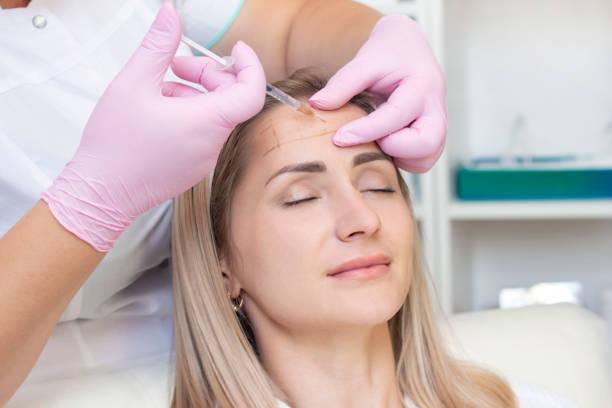
Trying dermal fillers for the first time can raise several questions about treatment suitability, expected results, safety, and recovery. These injectable treatments are commonly used to restore selected areas of facial volume, enhance contours, and soften certain lines without surgery. However, understanding how fillers work and what they can realistically achieve is important before making a decision. dermal fillers in riyadh may be an option for individuals who want to address specific aesthetic concerns, but the right approach depends on facial anatomy, skin condition, medical history, and personal goals. First-time patients should learn about the consultation process, available products, possible side effects, and the importance of choosing a qualified practitioner.
Understand What Dermal Fillers Can and Cannot Do
Dermal fillers are injectable products placed beneath the skin or within selected facial tissues to add volume, provide support, or improve certain contours. Many commonly used fillers contain hyaluronic acid, a substance naturally present in the body, although other types of fillers are also available.
Depending on the product and treatment area, fillers may help:
-
Restore volume in selected areas of the cheeks and temples.
-
Improve lip fullness and definition.
-
Enhance chin projection and jawline contours.
-
Soften certain facial folds.
-
Improve the appearance of selected hollows and contour irregularities.
It is equally important to understand their limitations. Fillers cannot remove excess skin, significantly tighten loose tissues, or correct major skeletal differences. They also do not stop the natural aging process. A practitioner should explain whether fillers are suitable for the concern or whether another treatment may be more appropriate.
Schedule a Professional Consultation First
A consultation should always take place before the first injection. This appointment allows the practitioner to assess facial structure, understand the patient's expectations, and identify any factors that may affect treatment suitability.
Share Your Medical History
Patients should discuss allergies, previous cosmetic procedures, current medications, and relevant medical conditions. It is particularly important to mention any history of severe allergic reactions, bleeding problems, active skin infections, or previous complications involving fillers.
Pregnancy and breastfeeding are generally reasons to postpone elective filler treatment because safety information is limited. Patients should also disclose previous filler placement, including the product and approximate treatment date if known.
Discuss Your Desired Results
First-time patients should explain which features they want to improve and whether they prefer subtle enhancement or more noticeable contour changes. Bringing reference photographs may help communicate preferences, but results should always be planned around the individual's natural facial anatomy.
A responsible practitioner will explain realistic outcomes rather than promising an exact appearance.
Learn About Different Filler Types
Not all dermal fillers work in the same way. Hyaluronic acid fillers are commonly used for areas such as the lips, cheeks, and selected facial folds. Other products may stimulate collagen production or provide longer-lasting structural support.
Each material has different characteristics, potential risks, and suitability considerations. For example, some hyaluronic acid fillers can be dissolved with an enzyme called hyaluronidase when clinically appropriate. This does not mean every complication can be reversed or that treatment is risk-free.
Patients considering Dermal Fillers in Riyadh should ask which product is being recommended, why it suits the intended area, and whether its packaging and source can be verified.
Know What Happens During the Procedure
The treatment process generally begins with facial assessment, discussion of the injection plan, and cleansing of the selected area. Depending on the product and treatment location, a topical numbing cream or a filler containing local anesthetic may be used to improve comfort.
The practitioner then places the filler using an appropriate injection technique. The duration varies according to the number of areas being treated and the complexity of the plan.
Patients may experience mild pressure, pinching, or temporary discomfort. They should never feel pressured to treat several areas during their first appointment. A conservative approach can help assess how the face responds before considering any additional enhancement.
Understand Possible Side Effects and Risks
Temporary reactions are relatively common after filler injections. These may include:
-
Swelling around the injection area.
-
Bruising or redness.
-
Tenderness and mild discomfort.
-
Small injection marks or temporary firmness.
Less common complications include infection, lumps, asymmetry, and delayed inflammatory reactions. A rare but serious complication is vascular occlusion, which occurs when filler blocks a blood vessel and restricts blood flow. This can cause tissue damage and, in rare cases, vision loss.
Severe or unusual pain, pale or mottled skin, or changes in vision after treatment require immediate medical attention. Visual symptoms should be treated as an emergency.
Choosing a qualified medical professional who understands facial anatomy and can manage complications is essential.
Prepare for Recovery and Aftercare
Most patients can return to many routine activities relatively quickly, although swelling and bruising may remain visible for several days. The exact recovery experience depends on the treatment area, product, and individual response.
Aftercare instructions may include:
-
Avoiding unnecessary pressure or massage on the treated area.
-
Keeping the injection sites clean.
-
Following the practitioner's guidance about exercise and heat exposure.
-
Avoiding makeup on injection points until advised that it is appropriate.
-
Attending any recommended follow-up appointment.
Patients should not massage or manipulate the filler unless specifically instructed by their practitioner. They should also contact the clinic if symptoms become unusual, worsen, or do not improve as expected.
Ask Important Questions Before Your First Appointment
Being informed can make the treatment experience more comfortable and help patients make thoughtful decisions. Consider asking:
-
What type of filler will be used?
-
Why is this product suitable for my treatment area?
-
Who will perform the injections?
-
What results can I realistically expect?
-
How long might the results last?
-
What complications should I watch for?
-
What arrangements are available if an adverse reaction occurs?
Clear answers help patients understand the procedure and make decisions without unrealistic expectations.
Make an Informed Decision About Your First Treatment
First-time patients should approach dermal fillers with realistic expectations, a clear understanding of possible risks, and a personalized treatment plan. Learning about product types, facial anatomy, recovery, and practitioner qualifications can help reduce uncertainty before treatment. Not every facial concern requires filler, and subtle enhancement may be more appropriate than treating multiple areas at once. Individuals exploring Dermal Fillers in Riyadh can consult the medical team at Royal Clinic Saudia to discuss their goals, review treatment suitability, and understand the procedure before deciding whether to proceed.

 English
 Arabic
 French
 Spanish
 Portuguese
 Deutsch
 Turkish
 Dutch
 Italiano
 Russian
 Romaian
 Portuguese (Brazil)
