


Can AI Credit Score Monitoring Actually Help Improve Your Credit Score?
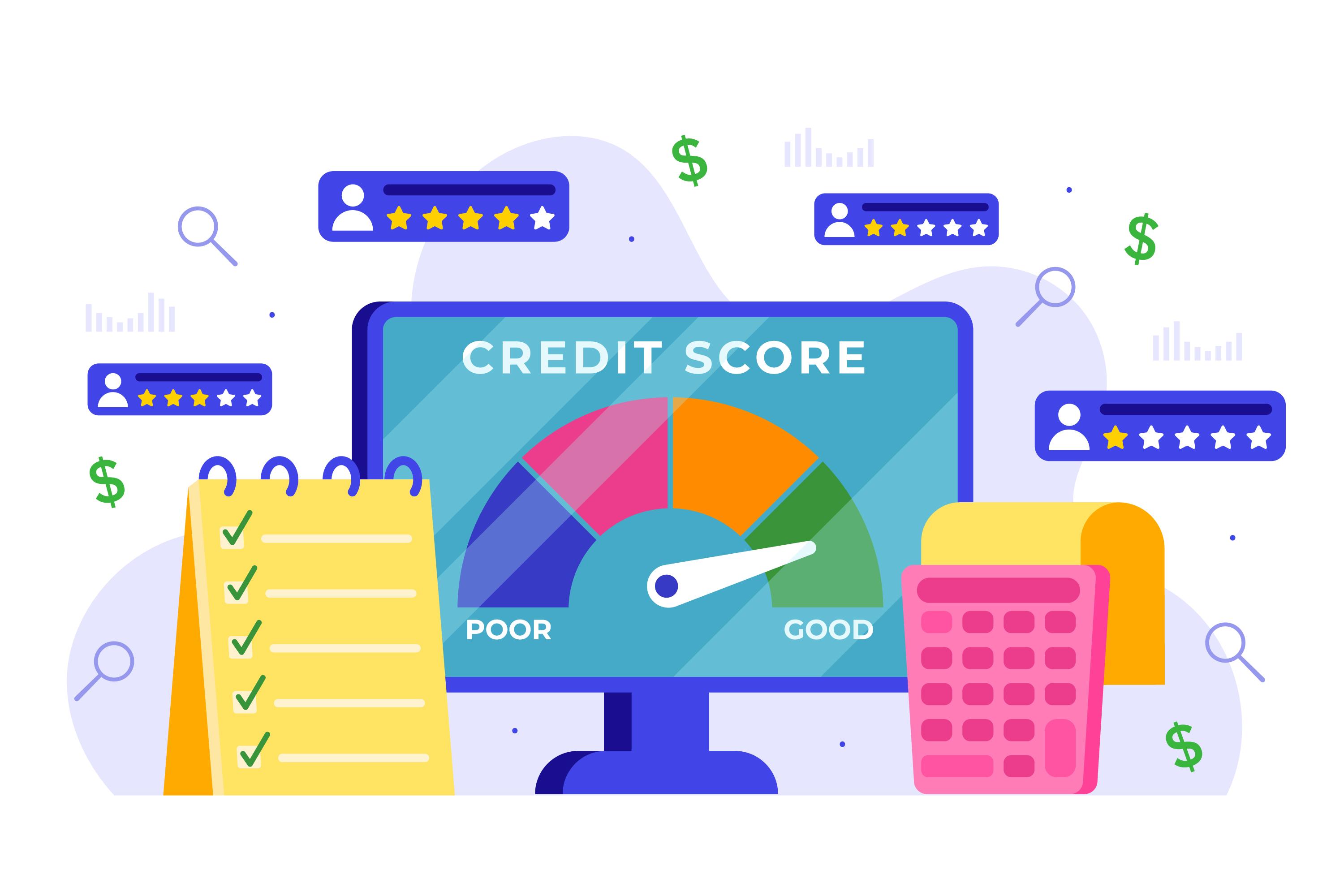
Most people check their credit score only when they are about to apply for a loan. By then, it is often too late to fix anything. A single missed payment or a wrong entry on your report can quietly drag your score down for months before you notice.
Bon Credit offers AI credit score monitoring that helps users stay informed about changes in their credit profile with greater speed and accuracy. By analyzing financial data in real time, the platform can detect important shifts, flag potential risks, and provide personalized insights to support smarter financial decisions. With a professional approach and user-friendly tools, Bon Credit makes it easier to track credit health and maintain confidence in managing your financial future.
That gap is where modern monitoring tools come in. But do they really move your score, or do they just show you a number? Here is a straight answer.
The Short Answer
Monitoring alone will not raise your score. What you do with the information will.
Think of a fitness tracker. It does not make you healthier by itself, but it shows you what to change. Credit monitoring works the same way. It gives you early warnings, spots errors, and points out habits that hurt you. Your actions are what improve the score.
How Credit Scores Work (A Quick Refresher)
You cannot improve what you do not understand. Most lenders use scoring models like FICO or VantageScore, and both weigh a similar set of factors.
| Factor | Approximate Weight (FICO) | What It Means |
|---|---|---|
| Payment history | 35% | Do you pay on time? |
| Amounts owed (utilization) | 30% | How much of your limit are you using? |
| Length of credit history | 15% | How long have your accounts been open? |
| New credit | 10% | How many recent applications have you made? |
| Credit mix | 10% | Do you have both cards and installment loans? |
Notice that two factors, payment history and utilization, make up about 65% of the score. That is where most of your improvement will come from.
What Smart Monitoring Tools Can Actually Do
Today’s tools go beyond showing a three-digit number. Some use machine learning to spot patterns in your data. This is where AI credit score monitoring can be genuinely useful, if you use it the right way.
1. Catch Problems Early
Real-time alerts can tell you when a new account is opened in your name, a hard inquiry appears, or a balance jumps. If you did not authorize any of it, you can act within days instead of months.
2. Flag Errors on Your Report
Mistakes happen. A paid-off debt may still show as open, an account may belong to someone with a similar name, or a late payment may be reported incorrectly. Spotting these quickly lets you file a dispute before they cost you an approval.
3. Show You What Is Pulling Your Score Down
A good tool breaks your score into plain-language reasons. For example, it might say your card is at 78% utilization, or that your oldest account was recently closed.
4. Run “What-If” Scenarios
Some platforms let you test outcomes. What happens if you pay down $500? What if you open a new card? These simulators are estimates, not promises, but they help you prioritize.
5. Remind You Before a Payment Is Due
Since payment history is the biggest factor, a timely nudge can protect your score better than any other feature.
What Monitoring Cannot Do
Be careful about overpromising, because some marketing does exactly that.
- It cannot remove accurate negative items. Late payments and collections that are true stay on your report for up to seven years.
- It cannot guarantee a score jump. No tool can promise a specific number or timeline.
- It cannot replace good habits. Paying on time and keeping balances low still do the heavy lifting.
- It cannot fix a thin credit file overnight. Building history takes time.
If any service promises to “erase bad credit” or “boost your score 100 points fast,” walk away.
A Realistic Example
Imagine Priya, who has a score of 640. She signs up for a monitoring tool and sees two things within the first week:
- Her main credit card is at 85% utilization.
- A medical collection she already paid is still listed as unpaid.
She pays the card balance down to about 25% of her limit and disputes the collection with the credit bureau. Over the next two billing cycles, her score climbs. The tool did not do the work. It simply pointed her to the two fixes that mattered most.
That is the honest role of monitoring: it shortens the time between a problem and a solution.
How to Get the Most Out of a Monitoring Tool
Follow this simple routine:
- Turn on alerts for new accounts, inquiries, and balance changes.
- Review your full report at least once every quarter, not just the score.
- Pull your free reports from AnnualCreditReport.com to compare against what your tool shows.
- Pay down balances before your statement closing date, since that is usually when issuers report to the bureaus.
- Dispute errors in writing and keep copies of everything you send.
- Avoid unnecessary applications, because each hard inquiry can lower your score slightly.
For people who want one place to track alerts and report changes, services such as Bon Credit are built around this kind of routine. Whichever tool you pick, check that it reports from the major bureaus and explains its fees clearly.
Free vs. Paid Monitoring: Which Is Better?
| Feature | Free Tools | Paid Tools |
|---|---|---|
| Score updates | Usually monthly | Often more frequent |
| Bureau coverage | Often one bureau | Sometimes all three |
| Fraud alerts | Basic | More detailed |
| Identity theft support | Rarely included | Often included |
| Cost | $0 | Typically a monthly fee |
For most people, a free tool combined with the free annual reports is enough. Paid plans make sense if you are rebuilding after fraud or want broader alerts. Always read the cancellation terms before you sign up.
Who Benefits Most?
- People rebuilding credit who need to see progress and catch mistakes.
- First-time borrowers with a short history, where one error can have a big impact.
- Anyone planning a major purchase, such as a home or car, in the next year.
- Identity theft victims who need fast alerts on new activity.
If your credit is already strong and stable, monitoring is a nice safety net but not a must-have.
Frequently Asked Questions
1. Does checking my own credit score lower it?
No. Checking your own score is a “soft inquiry” and has no effect. Only “hard inquiries,” which happen when you apply for credit, can lower it slightly.
2. How quickly can I see an improvement after I start monitoring?
It depends on what you fix. Paying down a high balance can change your score within one or two billing cycles. Correcting an error depends on how fast the bureau investigates, which is generally within 30 days.
3. Is credit monitoring the same as credit repair?
No. Monitoring watches and alerts. Repair involves disputing and correcting inaccurate information. You can dispute errors yourself for free.
4. Are the scores shown in monitoring apps the same ones lenders use?
Not always. Many apps show VantageScore, while many lenders use FICO. The numbers can differ by several points, but the trend should move in the same direction.
5. What credit utilization should I aim for?
Under 30% is the common guideline, and lower is better. Many people with top scores keep it in the single digits.
6. How long do late payments stay on my report?
Up to seven years. Their impact fades over time, especially if you build a clean record afterward.
7. Can monitoring protect me from identity theft?
It cannot prevent it, but it can alert you quickly so you can freeze your credit, dispute fraudulent accounts, and limit damage.
8. Should I pay for a monitoring service?
Start with free options. Upgrade only if you need extra features like multi-bureau alerts or identity protection support, and compare costs first.
9. How often should I check my credit report?
Review your alerts as they arrive, and read your full reports at least every three to four months.
10. What is the single best thing I can do to raise my score?
Pay every bill on time and keep your card balances low. No tool can replace those two habits.
Final Thoughts
Monitoring tools are helpful, but they are a map, not the journey. They show you where the problems are, warn you about threats, and keep you accountable. The real improvement comes from paying on time, lowering balances, and correcting errors.
Use the tools wisely, stay patient, and focus on steady habits. Credit scores rarely change overnight, but small, consistent steps add up faster than most people expect.

 English
 Arabic
 French
 Spanish
 Portuguese
 Deutsch
 Turkish
 Dutch
 Italiano
 Russian
 Portuguese (Brazil)
 Greek
