


How Do Dermatologists Identify the Right Approach to Hair Loss?
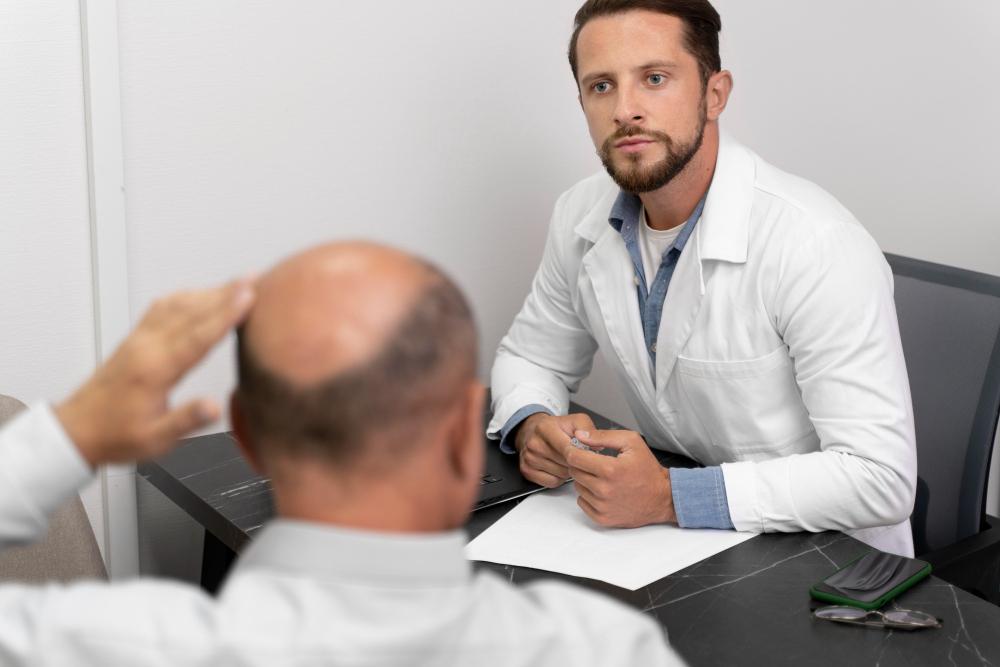
Two people may notice similar hair thinning but need completely different treatment plans. One may be experiencing temporary shedding after an illness, while another may have gradual genetic hair loss. The visible change can look similar, but the reasons behind it are not necessarily the same.
This is why dermatologists do not select hair loss treatment based on appearance alone. For someone considering hair loss treatment in Malad West, understanding how a dermatologist investigates the problem can make the consultation more useful. The aim is to identify the cause, assess follicle health and choose an approach that suits the individual's condition.
The First Step Is Understanding the Hair Loss Pattern
Before discussing medicines or procedures, a dermatologist studies how the hair loss is developing. The location, speed and distribution of thinning provide important clues.
What does the pattern reveal?
Different patterns may suggest different conditions:
-
Receding hairline: Gradual recession around the temples may be associated with androgenetic alopecia, commonly called pattern hair loss.
-
Thinning at the crown: Reduced density around the top of the scalp can also occur in pattern hair loss.
-
Diffuse shedding: Hair loss across several areas may occur after illness, major stress, nutritional changes or certain medications.
-
Round bald patches: Clearly defined patches may indicate alopecia areata, an autoimmune condition.
-
Hairline breakage: Repeated tension from tight hairstyles can contribute to traction alopecia.
These patterns guide further examination, but they do not confirm a diagnosis on their own.
What Your Medical History Can Tell a Dermatologist
Hair growth is influenced by several factors beyond scalp care. A dermatologist may ask detailed questions about health, lifestyle and previous changes to understand what could be contributing to shedding.
Important details include:
-
When the hair loss first became noticeable
-
Whether shedding is sudden, gradual or recurring
-
Family history of hair thinning
-
Recent fever, surgery or significant illness
-
Changes in diet or body weight
-
Stress levels and sleep patterns
-
Current medicines and supplements
-
Hormonal changes or existing medical conditions
For example, increased shedding several months after a significant illness may suggest telogen effluvium. This condition occurs when more hair follicles than usual enter the resting phase of the hair growth cycle.
A detailed history helps the dermatologist connect the timeline of hair loss with possible triggers.
Examining the Scalp Beyond What Is Visible
A scalp examination provides information that cannot always be understood from photographs or general observation.
The dermatologist may check hair density, strand thickness, scalp inflammation, scaling, redness and the condition of hair follicles.
The role of trichoscopy
Trichoscopy is a specialised, non-invasive examination that uses magnification to assess the scalp and hair shafts.
It can help identify:
-
Variations in hair strand thickness
-
Signs associated with pattern hair loss
-
Broken hairs and follicular changes
-
Features that may suggest alopecia areata
-
Signs of certain inflammatory or scarring conditions
In some cases, a hair-pull test may also be performed to assess active shedding.
These findings help determine whether the concern mainly involves excessive shedding, gradual follicle miniaturisation, breakage or scalp disease.
When Are Blood Tests or Additional Investigations Needed?
Not every person experiencing hair loss needs laboratory testing. A dermatologist recommends investigations when the symptoms, examination or medical history suggest a possible underlying condition.
Depending on the case, tests may include:
|
Investigation |
What it may help assess |
|
Complete blood count (CBC) |
Signs of anaemia or other blood-related changes |
|
Ferritin |
Iron stores in the body |
|
Thyroid function tests |
Possible thyroid-related contributors |
|
Vitamin levels |
Suspected nutritional deficiencies |
|
Hormonal evaluation |
Selected cases involving signs of hormonal imbalance |
For example, a person experiencing diffuse shedding alongside fatigue or dietary changes may need an assessment for iron deficiency or another medical contributor.
Additional investigations are selected according to clinical findings rather than ordered routinely for everyone. A scalp biopsy may occasionally be considered when the diagnosis remains uncertain, particularly if a scarring hair loss condition is suspected.
Matching Treatment to the Actual Diagnosis
Once the dermatologist understands the likely cause, the next decision is choosing an appropriate treatment. This is where individual factors become especially important.
For patients exploring hair loss treatment in Malad West, the recommended plan may differ depending on whether the issue involves temporary shedding, hereditary thinning, alopecia areata or an inflammatory scalp condition.
Medical treatments
Depending on the diagnosis, options may include:
-
Topical minoxidil: Used for certain types of pattern hair loss. It requires consistent use, and results vary.
-
Prescription medicines: Selected medicines may be considered for suitable patients after reviewing their medical history and potential side effects.
-
Nutritional correction: Confirmed deficiencies may need targeted supplementation or dietary changes.
-
Scalp treatment: Medicated shampoos or other treatments may be recommended for diagnosed scalp conditions.
Not every medicine is appropriate for every person. Age, sex, pregnancy considerations, existing conditions and other medications can influence the decision.
When are procedures considered?
Some dermatologists may discuss procedures as part of a broader management plan.
-
Platelet-rich plasma (PRP): Uses a preparation derived from the patient's own blood. It may be considered for selected types of hair loss, although results and supporting evidence vary.
-
Low-level laser therapy: Certain devices are used to support hair growth in selected cases. Suitability and expected benefits should be discussed.
-
Hair transplantation: May be an option for selected individuals with suitable donor hair and stable patterns of hair loss.
Procedures are not universal solutions. A dermatologist must evaluate the diagnosis, follicle condition and expected benefits before recommending them.
How Dermatologists Measure Progress After Treatment
Starting treatment is only one part of managing hair loss. Regular reviews help determine whether the chosen approach is working as expected.
A dermatologist may use:
-
Standardised scalp photographs
-
Hair density observations
-
Changes in shedding patterns
-
Trichoscopy findings
-
Patient feedback about treatment consistency and scalp comfort
Hair grows slowly, so meaningful improvement often takes several months to assess. The review schedule depends on the treatment and diagnosis.
If progress is different from what was expected, the dermatologist may reassess the original diagnosis, check treatment consistency or investigate other contributing factors.
Why Personalised Hair Care Matters
Hair loss management is not simply about increasing hair growth. It also involves protecting existing follicles, treating scalp conditions and addressing medical factors that influence the growth cycle.
A suitable plan should explain the diagnosis, treatment purpose, possible side effects, expected timeline and follow-up requirements. Patients should also know when to seek another assessment, particularly if they notice sudden shedding, painful scalp changes or expanding bald patches.
The most useful treatment plan is one based on clinical findings rather than a popular procedure or someone else's experience.
Conclusion
Dermatologists identify the right approach to hair loss by combining pattern recognition, medical history, scalp examination and targeted investigations. These steps help distinguish temporary shedding from genetic, hormonal, autoimmune or scalp-related conditions.
Once the cause is understood, treatment can be selected according to individual needs and reviewed over time. A careful diagnosis creates a stronger foundation for informed decisions and realistic expectations about hair restoration.
Frequently Asked Questions
1. Can a dermatologist identify the cause of hair loss during the first visit?
A dermatologist can often identify possible causes through medical history and scalp examination. Some cases require blood tests, follow-up observations or additional investigations before confirming the diagnosis.
2. Is trichoscopy painful?
No. Trichoscopy is generally a non-invasive examination that uses magnification to observe the scalp and hair follicles.
3. Does every type of hair loss require medication?
No. Some cases improve when an underlying trigger is addressed, while others may need prescription treatment or procedures. The approach depends on the diagnosis.
4. How long should someone wait before evaluating treatment results?
Many hair treatments require several months before progress can be assessed. The appropriate review period depends on the treatment and the underlying condition.
5. Can hair loss return after treatment?
Yes, certain conditions, particularly pattern hair loss, may require ongoing management. The dermatologist can explain maintenance needs and what to expect if treatment is stopped.

 English
 Arabic
 French
 Spanish
 Portuguese
 Deutsch
 Turkish
 Dutch
 Italiano
 Romaian
 Portuguese (Brazil)
 Greek
