


Activities for Disabled Person: Inclusive Ideas for Adults to Enjoy and Thrive
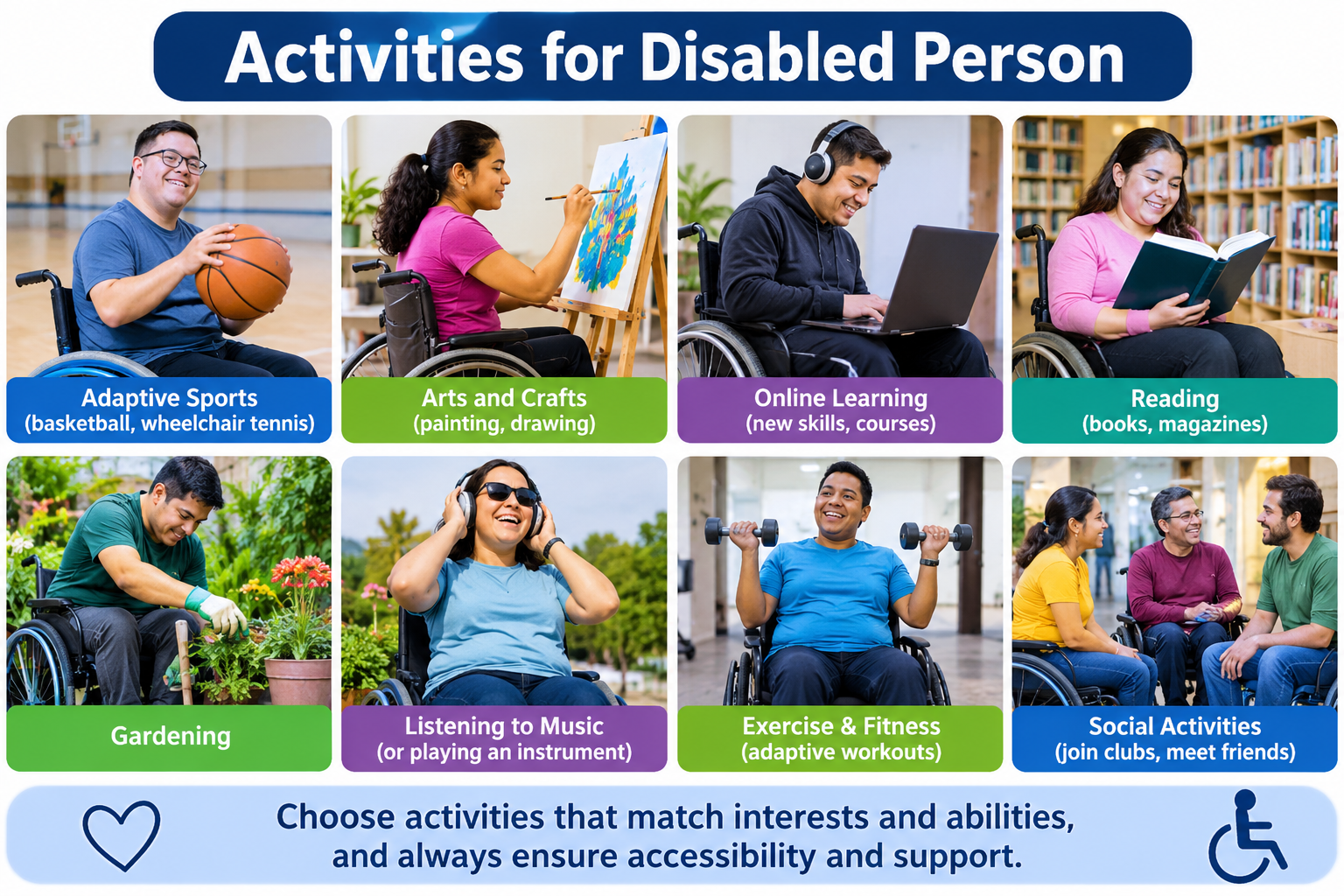
A fulfilling routine includes moments of creativity, movement, connection, and personal choice. Exploring activities for disabled person can open doors to enjoyable experiences that reflect each individual’s interests and abilities. Thoughtfully planned activities for disabled adults also provide opportunities to learn practical skills, build confidence, and contribute to community life. The starting point is simple: ask what the person enjoys, and make participation possible without unnecessary pressure.
Choose Activities Around the Individual
Disability alone does not determine which activities someone will enjoy. One adult may love gardening and quiet crafts, while another prefers dancing, group games, or outdoor adventures. Meaningful planning begins with personal preferences, not a fixed list of supposedly suitable tasks.
Offer Real Choices
Invite adults to select between several options, suggest new ideas, and decide when they need a break. Even familiar activities feel different when participants help shape the experience. Choice supports dignity and keeps recreation from becoming another obligation.
Creative Experiences That Encourage Expression
Painting, photography, clay modelling, music, and scrapbooking can be adapted for different motor and communication needs. The purpose is enjoyment and expression rather than producing perfect results. Materials can be prepared in advance, instructions simplified, and tasks divided into manageable steps.
Make Creative Projects Collaborative
A shared mural or seasonal decoration gives each participant a genuine role. One person may choose colours, another arrange materials, and someone else assemble the final piece. Working toward a common result can encourage conversation and pride without requiring everyone to perform identical tasks.
Bring Movement Into Everyday Life
Physical recreation can be gentle, energetic, social, or independent. Walking, accessible gardening, seated stretching, adapted sports, swimming, and music-based movement offer different ways to stay active. Match the activity to the individual’s mobility, comfort, and any relevant health guidance.
Enjoy Outdoor Spaces
An accessible park visit can include a picnic, nature photography, birdwatching, or simply enjoying fresh air. Planning transportation, seating, paths, and rest opportunities in advance helps reduce barriers. Short outings can be just as meaningful as longer excursions.
Turn Daily Skills Into Engaging Activities
Cooking and meal planning create opportunities to practise sequencing, decision-making, and teamwork. Adults can choose a recipe, wash ingredients, follow pictures, or set the table. Similarly, caring for plants or organizing a shared space can support routines while producing a visible outcome.Support should be adjusted to the task and the individual. Demonstrations, visual reminders, and adapted tools may help without taking over responsibilities the person can manage.
Build Connections Through Shared Interests
Social opportunities often feel more comfortable when there is an activity to focus on. Book discussions, board games, craft groups, community classes, or volunteering can bring people together around common interests. Smaller groups or one-to-one experiences may suit adults who prefer quieter interaction.
Respect Communication and Sensory Needs
Clear instructions, flexible pacing, visual supports, and quieter spaces can make participation easier. Some people communicate through speech; others use writing, gestures, or communication devices. Inclusive planning respects these methods and allows people to express preferences or decline an activity.
Create a Balanced and Flexible Routine
A weekly plan might combine one creative activity, an outdoor experience, practical learning, and time for relaxation. Familiar routines offer comfort, but variety can help adults discover new interests. Review the schedule regularly instead of assuming that preferences will stay the same.
Conclusion
The most valuable activities for disabled person are those shaped by personal interests, accessible environments, and meaningful choice. Whether the goal is recreation, connection, or skill development, activities for disabled adults should invite genuine participation rather than simply fill time. With thoughtful adjustments and respect for individual goals, ordinary experiences can become opportunities for enjoyment, confidence, and belonging.

 English
 Arabic
 French
 Spanish
 Portuguese
 Deutsch
 Turkish
 Italiano
 Russian
 Romaian
 Portuguese (Brazil)
 Greek
