


Is Your Injection Molding Zipper Machine Matched to Your Zipper Range
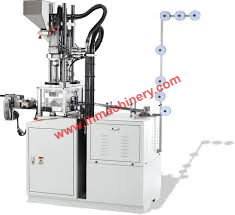
Zipper production rewards consistency, and the equipment behind that consistency deserves close examination before any purchase decision. An injection molding zipper machine sits at the heart of resin zipper manufacturing, turning raw resin into interlocking teeth that must align perfectly across thousands of finished pieces. Buyers who study materials, selection logic, technology, operator experience, and machine design gain a clearer picture of what they are committing to. Each of these angles reveals something the specification sheet alone cannot show. So what should a production team examine first when an injection molding zipper machine enters the evaluation stage?
Resin zippers serve garments, bags, luggage, and textile goods, and each application places different demands on the teeth. Resin grades vary in flow behavior, cooling speed, and flexibility, and a machine must accommodate those differences without producing weak or misshapen teeth. Moisture control matters as well, since damp resin can introduce bubbles that weaken the final product. Buyers should confirm how the machine handles the specific resin grades they intend to run and whether drying arrangements are part of the setup. Material consistency at the input stage determines tooth quality at the output stage, and no amount of downstream inspection can recover a poorly formed tooth.
Selection begins with the zipper types a factory actually sells. Open-end zippers, closed-end zippers, and two-way designs each place different demands on the forming and assembly process. Production volume shapes the decision too, since continuous operation rewards machines built for steady cycling while varied short runs reward flexible setup. Buyers should ask about changeover procedures between zipper sizes, the availability of molds and wear components, and the depth of technical support offered after installation. A machine that performs well in a demonstration but lacks local parts support becomes a bottleneck once production begins. Visiting an existing user's facility often clarifies more than any brochure.
Automatic resin zipper machines combine resin injection, die-casting, and assembly into a connected workflow that reduces manual handling. The injection system feeds resin into the mold, where teeth take shape under controlled pressure, and the assembly line then aligns the teeth with the tape and other components. Automation brings repeatability, since every cycle follows the same sequence and every tooth receives the same treatment. Programmability allows a single machine to produce different zipper types and sizes, which helps factories serving varied customers. Energy consumption and stable cycling also matter during long shifts, because a machine that runs unevenly creates rejected pieces that erase the gains from speed.
Operators judge equipment by how quickly it becomes predictable. Clear controls, accessible adjustment points, and stable running reduce the stress of a shift. Frequent jams and unclear fault signals drain confidence. Training quality shapes this experience as much as machine design does. A supplier that provides thorough handover support helps operators reach competence sooner. Feedback from the floor often reveals issues that engineering reviews miss, so buyers should treat operator input as part of the evaluation. A machine that one shift masters quickly becomes a machine every shift trusts, and that trust shows up in steadier output across the week.
Machine layout affects workflow. Compact frames fit smaller plants, while organized cable routing and accessible panels simplify maintenance. Safety guards should protect without blocking visibility. Build quality shows in frame rigidity, weld consistency, and finish. These details influence long-term reliability and resale value, and they signal how carefully the manufacturer approaches assembly. A well-organized machine tends to stay well-organized in service, because maintenance staff can reach what they need without dismantling half the frame.
Matching an injection molding zipper machine to the zipper range a factory actually produces takes patience, and reviewing real configurations at https://www.lhmachinery.com gives buyers a concrete starting point for that comparison. The right unit turns resin into consistent teeth shift after shift, and that reliability shows up in fewer rejects and steadier deliveries.

 English
 Arabic
 French
 Spanish
 Portuguese
 Deutsch
 Turkish
 Italiano
 Russian
 Romaian
 Portuguese (Brazil)
 Greek
