


The Manufacturing Process Behind Printed Woven Bags
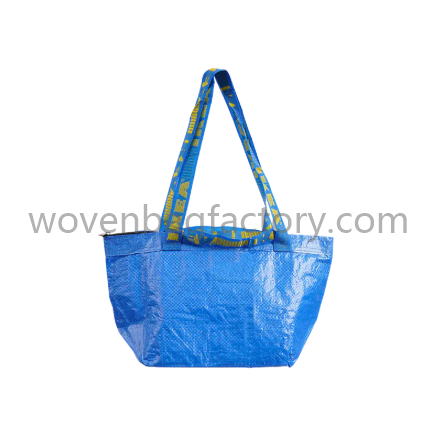
Flexible packaging must often balance structural support, product identification, and visual presentation. A BOPP Laminated Woven Bag combines a woven polypropylene base with a printed laminated film, creating a packaging format used in agricultural, food-related, construction, and other commercial markets. The combination allows businesses to incorporate detailed graphics while retaining the practical structure of woven packaging. Understanding the materials and manufacturing stages helps buyers evaluate whether this format is suitable for their products and distribution requirements.
The woven base provides the underlying structure. Polypropylene resin is processed into narrow tapes through extrusion, slitting, and stretching. These tapes are then interlaced on weaving equipment to form a fabric with a stable construction. The woven layer contributes to the bag's ability to support routine filling, stacking, and transportation activities. Its characteristics depend on raw material quality, tape preparation, weaving conditions, and the intended packaging application.
The laminated surface introduces another functional and visual element. Biaxially oriented polypropylene film is commonly used because it offers a suitable surface for printing and can be combined with woven fabric through an appropriate lamination process. The film can help create a smoother exterior for graphics and product information. The combination of woven material and film gives packaging designers more flexibility when developing a finished appearance that reflects brand identity and market requirements.
Printing is one of the most recognizable features of this packaging format. Businesses may use printed surfaces to display logos, product descriptions, handling information, and other visual elements. High-quality artwork preparation is important because the finished packaging may be displayed throughout storage, retail, and distribution environments. Color consistency, image clarity, and alignment should be considered during production planning. Clear communication between the buyer and manufacturer helps reduce differences between approved artwork and finished bags.
Lamination requires careful process coordination. The woven fabric and film must be prepared so that they can be combined into a consistent structure. Factors such as surface condition, adhesive application where relevant, and production control can influence the quality of the bond. Inconsistent lamination may affect appearance or create separation during subsequent handling. Manufacturers therefore need suitable process monitoring and inspection procedures to identify problems before the material enters bag conversion.
After lamination and printing, the material is converted into finished bags. Depending on the product design, operations may include cutting, folding, bottom construction, and stitching. Dimensional consistency helps ensure that bags can be used with the customer's filling equipment and storage arrangements. Seam quality is also important because the finished package experiences stress during filling, lifting, stacking, and transportation. Each conversion stage should be coordinated with the characteristics of the laminated material.
Application requirements vary across industries. Agricultural businesses may use laminated woven bags for seeds, animal feed, and other bulk products. Construction and industrial suppliers may require packaging that supports the handling of granular materials or powdered goods. Consumer-facing businesses may place greater emphasis on printed graphics and product identification. The intended contents, filling method, storage environment, and distribution route should all be considered when choosing a suitable bag design.
Quality management should begin with incoming material inspection and continue through the complete production process. Manufacturers can monitor tape consistency, woven fabric condition, lamination quality, printing results, bag dimensions, and seam construction. Visual checks are useful for identifying surface defects, while process inspections help reveal inconsistencies that may not be obvious in the finished product. A structured inspection system supports more predictable production and helps suppliers respond to buyer requirements.
Packaging design also involves balancing appearance with practical use. A detailed printed surface may improve product recognition, but the overall structure must remain suitable for filling and handling. Buyers should communicate whether the bags will be stored outdoors, transported over long distances, stacked in warehouses, or displayed in retail settings. These details help manufacturers consider appropriate material combinations and conversion methods. Clear specifications also make repeat orders easier to coordinate.
Environmental considerations should be evaluated in relation to the complete packaging structure. Polypropylene-based materials can be recyclable through suitable systems, but laminated constructions may require additional separation or specialized processing depending on their composition and local recycling infrastructure. Businesses should understand the materials used in their packaging and avoid assuming that every laminated product can enter the same recycling stream as a single-material item. Efficient production planning and responsible material use can also help reduce manufacturing waste.
Choosing a supplier involves reviewing manufacturing experience, printing capabilities, lamination process control, customization support, and communication practices. A supplier that understands both the woven structure and the laminated surface can better coordinate the different production stages. HONGYANG supports woven packaging solutions for varied commercial requirements, and businesses considering a BOPP Laminated Woven Bag can explore product details at https://www.wovenbagfactory.com/product/kraft-paper-bag/.

 English
 Arabic
 French
 Spanish
 Portuguese
 Deutsch
 Dutch
 Italiano
 Russian
 Romaian
 Portuguese (Brazil)
 Greek
