


How Old Vehicles Are Taken Apart and Recycled in Canberra
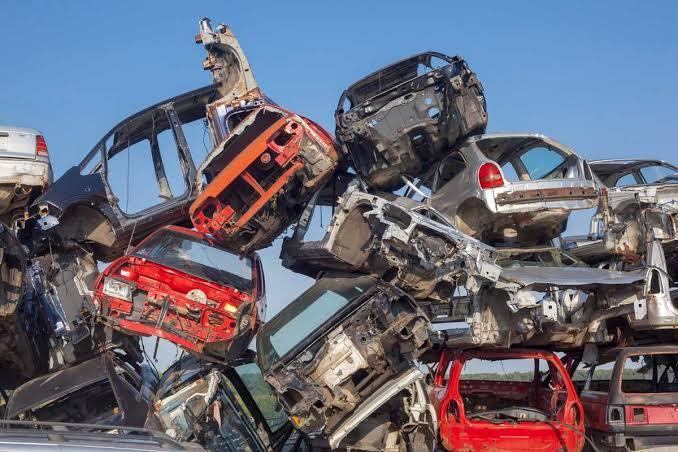
An old car does not become useless simply because it stops running. Even when a vehicle has serious engine damage, accident damage or mechanical faults, many of its components can still serve a purpose. Some parts can be reused, while others contain materials that can be processed for recycling. This is where car dismantlers play an important role in managing unwanted vehicles and reducing waste across Canberra.
If you have an unwanted vehicle taking up space on your property, learning about the dismantling process can help you understand what happens after it leaves your driveway. You can also explore vehicle removal and recycling information at https://canberracash4cars.com.au/
Car dismantlers work with different types of vehicles, including old passenger cars, damaged four-wheel drives, vans, utes and vehicles that have reached the end of their working life. Their work involves inspecting vehicles, removing usable components, separating different materials and preparing remaining metal for recycling. Each stage helps make better use of the materials found inside an unwanted vehicle.
What Are Car Dismantlers?
Car dismantlers are businesses or facilities that take apart unwanted vehicles to recover parts and materials. Their work is different from ordinary vehicle repairs because the main purpose is to separate usable components from vehicles that may no longer be suitable for road use.
A vehicle contains hundreds of individual parts. Some are made from metal, while others contain plastic, rubber, glass and electronic materials. Many of these components can be removed and sorted before the remaining vehicle body is sent for further processing.
Car dismantling can involve several activities, such as:
-
Inspecting unwanted and damaged vehicles.
-
Removing reusable mechanical components.
-
Separating batteries and electrical equipment.
-
Recovering metal parts for recycling.
-
Sorting plastic, rubber and glass materials.
-
Preparing vehicle shells for metal processing.
These activities help reduce the amount of material that ends up in landfill.
Why Car Dismantling Matters in Canberra
Canberra has a wide range of vehicles on its roads. Over time, some become too old, damaged or costly to repair. Others are involved in accidents or develop mechanical problems that prevent them from being driven.
When these vehicles are no longer needed, leaving them unused for years can create problems. They take up parking and storage space, and damaged components may create environmental concerns.
Car dismantling provides a way to deal with these vehicles by separating their different materials.
Reducing Automotive Waste
Old vehicles contain materials that can remain in the environment for a long time. Sending an entire vehicle to landfill without separating its components can result in unnecessary waste.
Dismantling allows suitable materials to be recovered. Metal, glass, selected plastics and other components can enter separate recycling or processing streams.
Recovering Reusable Car Parts
Not every part of an unwanted vehicle is damaged. A car with a failed engine might still have working mirrors, doors, seats, lights or other components.
Dismantlers inspect these parts to determine whether they can be reused. This gives certain components another purpose and reduces the need to manufacture replacement parts from new materials.
Managing End-of-Life Vehicles
Vehicles eventually reach a stage when continued repairs are no longer practical. Dismantling provides a way to manage these end-of-life vehicles rather than allowing them to sit unused.
It also helps separate materials that require different handling methods.
How Does the Vehicle Dismantling Process Work?
The dismantling process involves several stages. Each stage has a specific purpose, from the initial inspection to the final recycling of the vehicle body.
1. Vehicle Collection and Arrival
The process begins when an unwanted vehicle reaches a dismantling facility. Some vehicles arrive after being collected from residential properties, while others may be delivered by their owners.
Vehicles can include:
-
Accident-damaged cars.
-
Non-running vehicles.
-
Old family cars.
-
Vehicles with engine failure.
-
Damaged commercial vehicles.
-
Cars that are no longer economical to repair.
The condition of each vehicle determines how its components will be handled.
2. Initial Vehicle Inspection
After arrival, the vehicle is inspected to identify its condition and the parts that may still be suitable for reuse.
The inspection may cover the engine, transmission, suspension, wheels, doors, windows, interior fittings and electrical systems.
Dismantlers also look for visible damage, missing components and signs of corrosion.
This stage helps determine which parts should be removed first and which materials need separate handling.
3. Removing Hazardous Materials
Vehicles contain fluids and components that should not be handled like ordinary scrap metal.
These may include engine oil, coolant, brake fluid, fuel and transmission fluid. Batteries and certain electrical components also require appropriate handling.
Before further dismantling, these materials should be removed or managed according to relevant environmental and safety requirements.
Proper handling helps prevent leaks and reduces the risk of harmful substances entering soil or waterways.
4. Removing Reusable Components
Once the necessary preparation has taken place, dismantlers begin removing components that may still have practical use.
Depending on the vehicle condition, these can include:
-
Engines and gearboxes.
-
Alternators and starter motors.
-
Headlights and tail lights.
-
Doors and mirrors.
-
Seats and interior fittings.
-
Wheels and tyres.
-
Radiators and cooling components.
-
Suspension parts.
Each component needs to be checked before being considered suitable for reuse.
For example, an engine from a damaged vehicle may still be in working condition if the accident did not affect the engine compartment. Similarly, doors and mirrors may remain in good condition after damage to another section of the vehicle.
5. Sorting Different Materials
After reusable components have been removed, the remaining materials are separated into different categories.
Steel and aluminium are among the main materials recovered from old vehicles. These metals can be processed and used in the production of other goods.
Other materials, such as plastic, glass and rubber, may also be separated where suitable recycling processes are available.
Sorting materials helps reduce mixed waste and allows each material to enter an appropriate processing stream.
6. Preparing the Vehicle Body for Recycling
Once the useful components and other materials have been removed, the remaining vehicle shell can be prepared for further processing.
Depending on the facility and the vehicle, this may involve crushing, shredding or other metal recovery processes.
The recovered metal can then be sent to recycling operations where it is processed for use in manufacturing and other industries.
Which Car Parts Can Be Reused After Dismantling?
Many people assume that a damaged vehicle has no useful components. However, the condition of individual parts can differ greatly from the condition of the vehicle as a whole.
Some components may remain in working order even when the vehicle cannot be driven.
Engine and Transmission Components
The engine and transmission are among the major components examined during dismantling. Their condition depends on the cause of the vehicle damage.
A car with accident damage to its body may still have working mechanical components. These parts can be inspected before being considered for reuse.
Electrical Components
Electrical parts such as alternators, starter motors, switches and lighting units may also be recovered.
However, each component needs testing or inspection to determine whether it is suitable for another vehicle.
Interior Components
Seats, door trims, dashboards, mirrors and other interior fittings may remain in usable condition.
These components can be useful when owners or repairers need replacement parts for vehicles of a similar model.
Wheels and Suspension Parts
Wheels, selected suspension components and other underbody parts may also be recovered.
Their condition needs careful checking because wear, corrosion and accident damage can affect their suitability.
What Happens to Scrap Metal from Old Cars?
Metal recycling is an important part of Vehicle Dismantling Canberra. Most vehicles contain significant quantities of steel and smaller amounts of other metals.
Steel is commonly found in the body structure, doors, panels and other vehicle components. Aluminium may be present in engine components, wheels and selected structural parts.
After dismantling, these metals are separated and prepared for recycling.
Steel Recycling
Steel recovered from old vehicles can be processed and used as a raw material in various manufacturing industries.
Recycling steel reduces the need to obtain all metal supplies from newly mined resources.
Aluminium Recovery
Aluminium is another useful material found in many vehicles. It is often present in engine parts, wheels and selected body components.
Recovered aluminium can be melted and processed for further manufacturing.
Separating Mixed Materials
A vehicle also contains materials that cannot all be processed in the same way. Plastic, rubber, glass and electronic components need separate handling.
Proper separation helps ensure that recoverable materials are not unnecessarily mixed with general waste.
Environmental Considerations When Dismantling Vehicles
Vehicle dismantling is not only about recovering spare parts and scrap metal. It also involves managing materials that could cause environmental harm if handled incorrectly.
Old vehicles may contain substances that require particular care.
Preventing Fluid Leaks
Oil, fuel, coolant and other automotive fluids should be removed and stored using suitable procedures.
If these substances leak onto the ground, they may contaminate surrounding areas. Proper storage and disposal help limit this risk.
Responsible Battery Handling
Car batteries contain materials that require appropriate treatment. They should not be thrown into ordinary household rubbish or left exposed to the weather.
Batteries need to be collected and directed towards suitable recycling or disposal facilities.
Reducing Landfill Waste
Recovering reusable parts and recyclable materials reduces the quantity of vehicle waste that needs final disposal.
Although not every vehicle component can be recycled, separating suitable materials helps make better use of available resources.
When Should You Consider Sending Your Car to a Dismantler?
There are several situations when vehicle dismantling may be worth considering.
Your Car Has Severe Accident Damage
A vehicle involved in a major accident may have structural damage that makes repairs impractical.
Even if the car cannot return to the road, some components may remain suitable for recovery.
The Engine Has Stopped Working
Major engine failure can lead to expensive repair work. If the rest of the vehicle is also ageing, dismantling may be one option to consider.
Your Vehicle Has Been Sitting Unused
An unused car can deteriorate over time. Tyres may lose pressure, batteries may fail and mechanical parts can develop further problems.
If you no longer intend to repair or use the vehicle, arranging its removal can help clear the space it occupies.
Repairs Cost More Than the Car Is Worth
Older vehicles can develop several mechanical problems at once. When repair costs become difficult to justify, owners may consider selling the vehicle for dismantling.
The decision depends on the vehicle condition, repair estimates and available selling options.
What Should You Do Before Sending Your Vehicle for Dismantling?
A little preparation can help avoid problems when arranging the removal of an unwanted vehicle.
Consider the following steps before the vehicle leaves your property:
-
Remove personal belongings: Check the glove box, boot, door pockets and storage areas for personal items.
-
Collect your documents: Keep relevant registration and ownership records available.
-
Remove personal number plates where required: Check the applicable ACT requirements before handing over the vehicle.
-
Take photographs: Keep photographs of the vehicle and its condition for your records.
-
Discuss the vehicle condition: Explain any known mechanical problems, accident damage or missing components.
-
Confirm collection arrangements: Discuss the collection location, access conditions and any agreed payment before the vehicle is collected.
-
Check ownership requirements: Make sure the transfer or disposal process follows the relevant ACT rules.
These steps can help make the vehicle handover more organised.
Choosing a Vehicle Dismantling Service in Canberra
When comparing car dismantling services, it is worth looking beyond the initial offer. The way a business handles collection, paperwork and vehicle processing also matters.
Consider a few important points before making a decision.
Ask About Vehicle Collection
Some unwanted vehicles cannot be driven. Ask whether collection can be arranged for cars with engine problems, accident damage or missing wheels.
Understand the Payment Process
If you are selling an unwanted vehicle, ask how its condition is assessed and how the payment is determined.
Make sure any agreed amount and collection conditions are clear before proceeding.
Check How the Vehicle Is Handled
Ask whether reusable parts are recovered and whether fluids, batteries and scrap materials are separated for appropriate handling.
Confirm the Required Paperwork
Vehicle ownership and registration requirements should be checked before the handover. Keep records of the transaction and follow the relevant ACT procedures.
For vehicle owners comparing local options, Canberra Cash 4 Cars is one business to look into when researching unwanted vehicle collection and disposal in the Canberra area. Understanding the collection process and the way vehicles are assessed can help owners decide whether a particular service suits their circumstances.
Conclusion
Car dismantling plays an important role in managing unwanted vehicles across Canberra. Instead of treating an old or damaged car as a single piece of waste, dismantlers separate its components and identify materials that may still have a purpose.
Usable engines, electrical components, interior fittings and other parts can be recovered after inspection. Steel, aluminium and selected materials can also enter recycling processes. Proper handling of automotive fluids, batteries and other materials helps reduce environmental risks.
For vehicle owners, understanding how dismantling works makes it easier to decide what to do with a car that is no longer needed. Whether the vehicle has accident damage, mechanical failure or simply reached the end of its working life, responsible dismantling offers a practical way to manage its remaining parts and materials.

 English
 Arabic
 French
 Spanish
 Portuguese
 Turkish
 Dutch
 Italiano
 Russian
 Romaian
 Portuguese (Brazil)
 Greek
