


Understanding Car Wrecking and Vehicle Recycling in Gawler
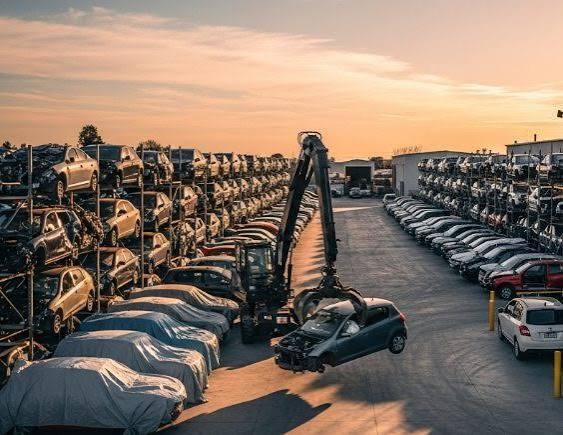
Old vehicles can become a problem when they stop working, fail to pass a roadworthy inspection or suffer serious damage after an accident. Keeping an unused car in the driveway or garage takes up space and may create extra costs. Many vehicle owners around Gawler eventually consider selling their unwanted cars to wrecking yards.
Gawler wreckers play an important role in handling vehicles that are no longer suitable for everyday driving. They inspect old cars, recover usable components and send suitable materials for recycling. If you are considering what to do with an unwanted vehicle, you can explore the available car removal information at https://www.carwreckersadelaide.com/ before making your decision.
What Do Gawler Wreckers Do?
Car Wreckers in Gawler handle vehicles that have reached the end of their useful life or are too damaged to remain on the road. These vehicles may include old family cars, accident-damaged vehicles, broken-down models and cars with serious mechanical problems.
Instead of allowing these vehicles to sit unused, wreckers assess their condition and identify parts that may still have a purpose.
Their work generally involves several stages:
-
Inspecting the vehicle and checking its condition.
-
Identifying parts that may be suitable for reuse.
-
Removing usable mechanical and body components.
-
Separating materials for recycling.
-
Handling remaining waste through suitable disposal channels.
This work helps reduce unnecessary waste and allows some vehicle components to return to circulation.
Why Do Vehicle Owners in Gawler Contact Car Wreckers?
There are several reasons why people decide to sell their unwanted vehicles. Sometimes a car develops a serious mechanical fault. In other cases, an accident leaves it too damaged to repair.
Here are some common situations where contacting a wrecking yard may be worth considering.
1. Old Cars That No Longer Run
Older vehicles can develop engine problems, transmission faults and electrical issues. When repair costs become difficult to justify, owners may decide that keeping the car is no longer practical.
A wrecking yard can assess the vehicle and determine whether its parts or scrap materials have a use.
2. Accident-Damaged Vehicles
Road accidents can cause significant damage to a vehicle. Problems with the chassis, suspension, engine or body structure may make repairs uneconomical.
Gawler wreckers may accept accident-damaged cars for dismantling, depending on their condition and the parts they contain.
3. Cars That Have Failed Inspections
Some vehicles develop faults that prevent them from meeting road safety requirements. These issues may include worn suspension components, serious rust, braking problems or major engine defects.
Owners who do not want to spend money on repairs can consider selling the vehicle for dismantling.
4. Unwanted Second-Hand Vehicles
A car may remain in a garage for years because its owner has purchased another vehicle or no longer needs it.
Even when the car still runs, its age, condition or lack of use may make selling it to a wrecker worth considering.
How Does the Car Wrecking Process Work?
Car dismantling involves more than removing a vehicle from someone's property. Wreckers follow several stages to assess the car, recover usable components and separate recyclable materials.
Understanding these stages helps vehicle owners know what happens after their cars leave their property.
Step 1: Vehicle Inspection
The process usually begins with an assessment of the vehicle.
Wreckers may check:
-
Make and model.
-
Manufacturing year.
-
Engine condition.
-
Transmission condition.
-
Exterior and interior damage.
-
Overall mechanical condition.
-
Availability of reusable components.
This information helps determine whether the vehicle has parts that can be recovered.
Step 2: Identifying Reusable Parts
Not every part of an old vehicle is damaged or worn out. Some components may still work properly and can be removed for resale or reuse.
Common examples include:
-
Engines and gearboxes.
-
Alternators and starter motors.
-
Doors and bonnets.
-
Mirrors and windows.
-
Seats and interior fittings.
-
Headlights and tail lights.
-
Wheels and selected suspension components.
The condition of each part must be checked before it is considered suitable for reuse.
Step 3: Removing Vehicle Fluids
Cars contain several fluids that require careful handling during dismantling.
These may include engine oil, coolant, brake fluid, transmission fluid and fuel. If these substances enter the soil or waterways, they can cause environmental damage.
Wrecking facilities should collect and manage these fluids through suitable handling and disposal processes.
Step 4: Dismantling the Vehicle
Once the inspection and preparation stages are complete, workers begin removing suitable components.
Parts are separated according to their condition and potential use. Components that cannot be reused may be directed towards recycling or other approved waste management processes.
Step 5: Separating Recyclable Materials
Vehicles contain several materials that can be recovered for further processing.
These include:
-
Steel from the body and frame.
-
Aluminium from selected components.
-
Copper from electrical wiring.
-
Rubber from tyres and seals.
-
Glass from windows and windscreens.
-
Certain plastics from interior and exterior fittings.
Separating these materials helps reduce the amount of vehicle waste sent to landfill.
What Types of Vehicles Can Gawler Wreckers Handle?
Wrecking yards may deal with many different types of vehicles. Acceptance depends on the condition, model, available parts and the yard's operating requirements.
Old Passenger Cars
Sedans, hatchbacks and station wagons are common vehicles found at wrecking yards. Even older models may contain reusable parts that other vehicle owners need.
Four-Wheel Drives and SUVs
Four-wheel drives and SUVs can contain useful mechanical and body components. Engines, gearboxes, doors, mirrors and other fittings may be recovered if they remain in suitable condition.
Accident-Damaged Cars
Vehicles involved in serious accidents may still contain working components. Although their body structures may be damaged, certain mechanical and electrical parts could remain suitable for reuse.
Commercial Vehicles
Some wrecking yards also handle vans, utes and other commercial vehicles. These vehicles may contain parts that are useful for businesses and owners maintaining older fleets.
Unregistered Vehicles
Cars that have been unregistered for a long period may also be considered for dismantling. Owners should check the removal requirements and provide the necessary ownership documents.
Environmental Importance of Car Recycling in Gawler
Vehicle recycling plays an important role in reducing waste. Cars contain large quantities of metal, rubber, glass and other materials that do not need to be discarded when a vehicle reaches the end of its working life.
Recovering these materials can reduce the demand for newly extracted resources.
Reducing Metal Waste
Steel and aluminium are major materials used in vehicle manufacturing. Recovering these metals allows them to enter recycling processes and become raw materials for other products.
This reduces the amount of metal that would otherwise be discarded.
Preventing Fluid Contamination
Old cars may contain oil, fuel, coolant and other substances that can harm the surrounding environment.
Proper removal and handling help prevent these materials from leaking into the ground or nearby drainage systems.
Giving Spare Parts Another Purpose
A working alternator, engine component or door does not necessarily need to be discarded simply because the original vehicle is no longer roadworthy.
Reusing suitable parts can reduce unnecessary manufacturing demand and help other motorists maintain their vehicles.
Reducing Landfill Waste
Tyres, glass, metals and selected plastics can enter different recycling streams. Separating these materials helps reduce the quantity of waste that reaches landfill sites.
What Should You Check Before Selling Your Car to a Wrecker?
Selling an unwanted vehicle requires some preparation. Taking a few simple steps can help avoid delays and confusion during the collection and transfer process.
Gather Your Vehicle Documents
Prepare the registration papers and any available ownership documents. You may also need identification to confirm that you have the right to sell the vehicle.
If the car is unregistered, ask the buyer what documents are required.
Remove Personal Belongings
Check the glove box, centre console, boot and under the seats. Remove personal documents, household items and anything else you want to keep.
It is also worth checking for garage remotes, toll tags and other personal items.
Record the Vehicle Details
Make a note of the following information:
-
Vehicle make and model.
-
Manufacturing year.
-
Registration number, if applicable.
-
Current location.
-
General condition.
-
Known mechanical problems.
Providing accurate details helps the buyer assess the vehicle before arranging collection.
Ask About Vehicle Removal
Before agreeing to a sale, confirm whether collection is available in your part of Gawler.
Also ask about the collection arrangements, any possible charges and the documents required at the time of transfer.
Understand the Ownership Transfer
When selling a registered vehicle in South Australia, make sure the required transfer and notification steps are completed.
Check the current requirements through the South Australian Government before handing over the vehicle.
How to Choose a Car Wrecking Service Around Gawler
Not every wrecking yard handles vehicles in the same way. Some focus on spare parts, while others deal mainly with scrap metal and vehicle removal.
Before choosing a service, consider the following points.
Check the Types of Vehicles Accepted
Ask whether the yard handles your particular vehicle type. Some facilities may accept passenger cars but have different requirements for commercial vehicles or larger models.
Ask About the Assessment Process
Find out what information is needed to assess your car. Accurate details about damage, missing parts and mechanical faults can help avoid misunderstandings.
Confirm Collection Arrangements
If your car cannot be driven, collection may be necessary. Ask whether the service covers your location and whether towing costs apply.
Understand the Payment Conditions
Ask how the vehicle is assessed and how payment is arranged. Make sure the agreed amount and payment method are clear before the vehicle is collected.
Consider Responsible Recycling Practices
A suitable wrecking facility should handle vehicle fluids, batteries and other waste materials carefully. Ask how reusable components and recyclable materials are separated.
The Role of Local Wrecking Yards in the Gawler Community
Gawler is home to families, commuters, businesses and motorists who rely on their vehicles for everyday travel. As vehicles age, some eventually become too costly to maintain or unsuitable for continued use.
Local wrecking and recycling activities help manage these unwanted vehicles. They also create a source of second-hand components for people maintaining older cars.
For example, someone searching for a replacement mirror or door for an older vehicle may find that a recovered part is suitable for their model. Another motorist may need a particular mechanical component that is no longer readily available through regular parts suppliers.
Car recycling also supports material recovery. Rather than treating every old vehicle as general waste, dismantling allows suitable materials to enter separate recycling processes.
Car Wreckers Adelaide is one business associated with vehicle removal and car wrecking services in South Australia. Its website provides information about its services and gives vehicle owners another point of reference when exploring options for unwanted cars.
Common Questions About Gawler Wreckers
Can I Sell a Car That Does Not Start?
Yes, some wrecking yards accept vehicles that do not start. The condition of the engine, transmission, body and other components may influence whether the vehicle is accepted and how it is assessed.
Do Wreckers Accept Accident-Damaged Cars?
Many wrecking yards consider accident-damaged vehicles. The level of damage and the condition of the remaining components will help determine whether the car is suitable for dismantling.
Can I Sell an Old Car Without Registration?
Some buyers accept unregistered vehicles. However, you should confirm their requirements and provide suitable proof of ownership.
What Happens to Cars After They Are Collected?
Collected vehicles are generally inspected before dismantling. Suitable components may be removed for reuse, while metals and other recyclable materials are separated for further processing.
Are All Car Parts Reused?
No. Some components are too damaged or worn to be reused. These parts may be recycled where suitable facilities exist or handled through appropriate waste disposal channels.
Can I Arrange Collection From My Property?
Collection arrangements depend on the buyer and the vehicle's location. Ask whether the service covers your part of Gawler and whether any collection conditions apply.
Conclusion
Car wrecking is an important part of managing old, damaged and unwanted vehicles around Gawler. It gives vehicle owners another option when repairs are no longer practical or a car has reached the end of its working life.
Through inspection, dismantling, spare parts recovery and material recycling, wrecking yards help reduce vehicle waste and allow suitable components to serve another purpose.
Before selling your vehicle, gather the necessary documents, check the condition of the car and ask about collection, payment and ownership transfer requirements. Understanding the process can help you make a well-informed decision about your unwanted vehicle.

 English
 Arabic
 French
 Spanish
 Portuguese
 Deutsch
 Turkish
 Dutch
 Italiano
 Romaian
 Portuguese (Brazil)
 Greek
